
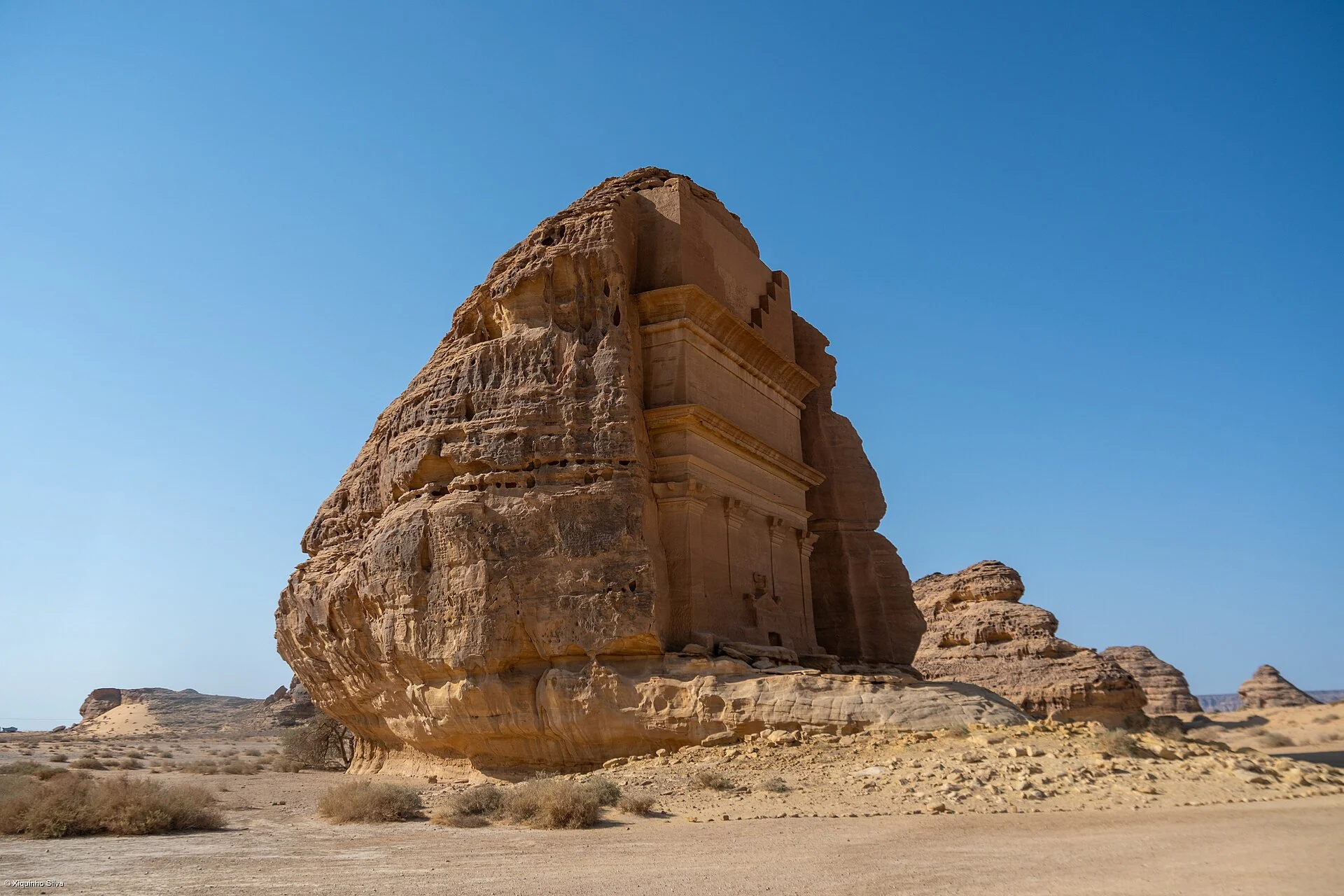
Give Hegra its proper place
Hegra is AlUla’s best-known heritage site and Saudi Arabia’s first UNESCO World Heritage property. Experience AlUla describes Nabataean tombs, inscriptions, wells and other remains that show a complex settlement rather than only a row of carved façades. Site access is organised through tours; the official visitor information says self-driving inside Hegra is not allowed. Book ahead and choose a guide who can explain the engineering and people behind the monuments.
Do not enter closed tombs, touch inscriptions or remove stones. The rules protect material that cannot be replaced. A good visit leaves time for questions and for the surrounding desert to make geographical sense.
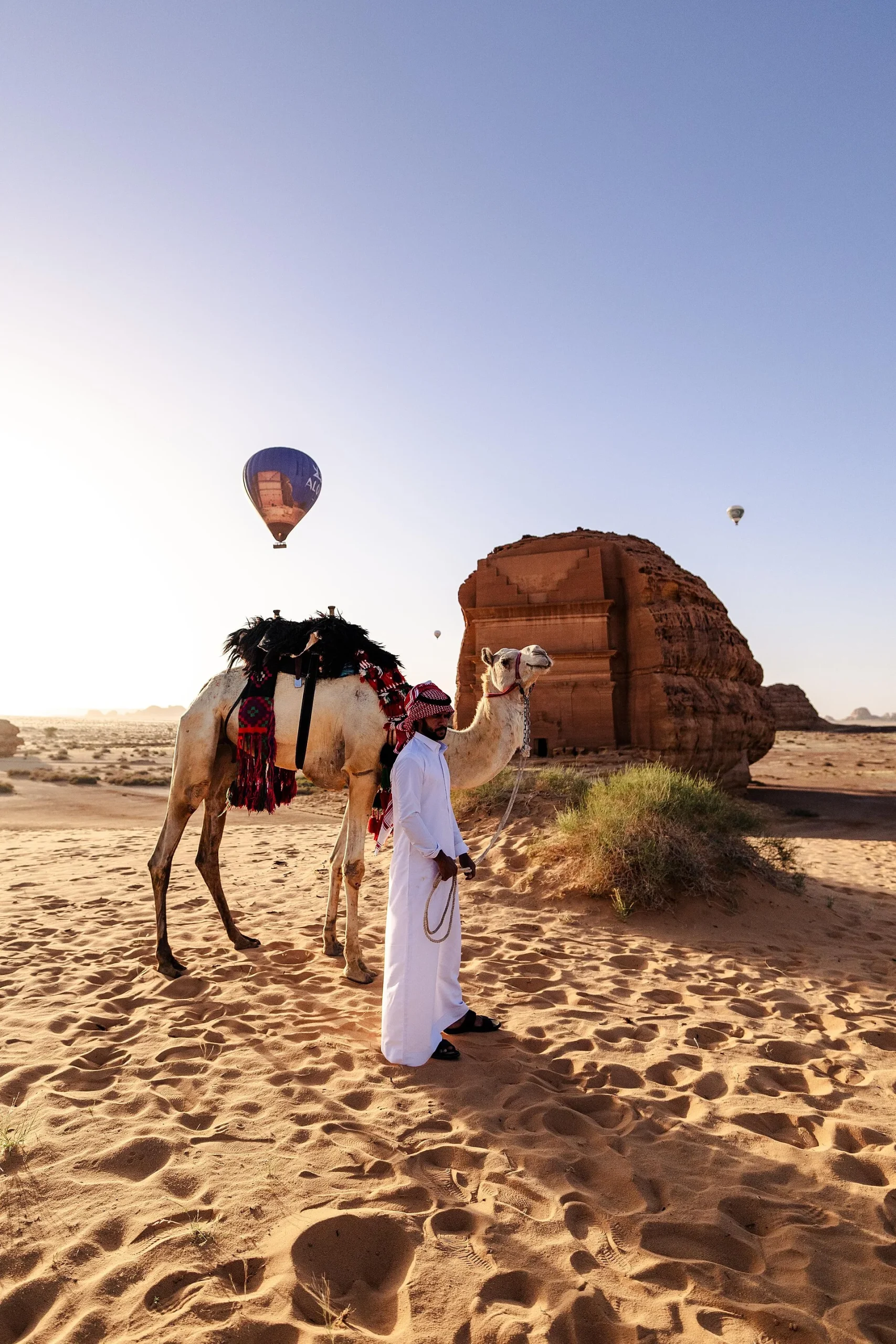
Make room for present-day AlUla
AlUla also has an active cultural programme, including exhibitions and events at venues such as Villa Hegra. Check the calendar close to travel, because programmes change. A local food experience or contemporary art stop can prevent the trip from treating the region as a purely ancient landscape. Leave space for a quiet evening rather than stacking several long drives after a heritage tour.
Desert conditions shape plans. Carry water, dress for sun and temperature changes, and confirm transport between sites before booking timed experiences. An old map may not reflect current access routes or event arrangements.
Choose depth over quantity
For a short stay, make Hegra the anchor, then add one landscape or culture day. A longer visit can widen the range without compressing each stop. Use official booking information and current local advice for routes, openings and photography policies. AlUla is most interesting when its archaeology, geology and contemporary community are allowed to share the story.
A heritage visit becomes richer when the guide discusses inscriptions, trade routes and water management rather than only the scale of tomb façades. Ask what archaeologists know and which stories remain interpretations. AlUla’s desert architecture is sensitive to weathering, so barriers are part of conservation, not obstacles to a better photograph. For another perspective, choose one contemporary cultural event that is actually scheduled during your stay and book it separately from Hegra.
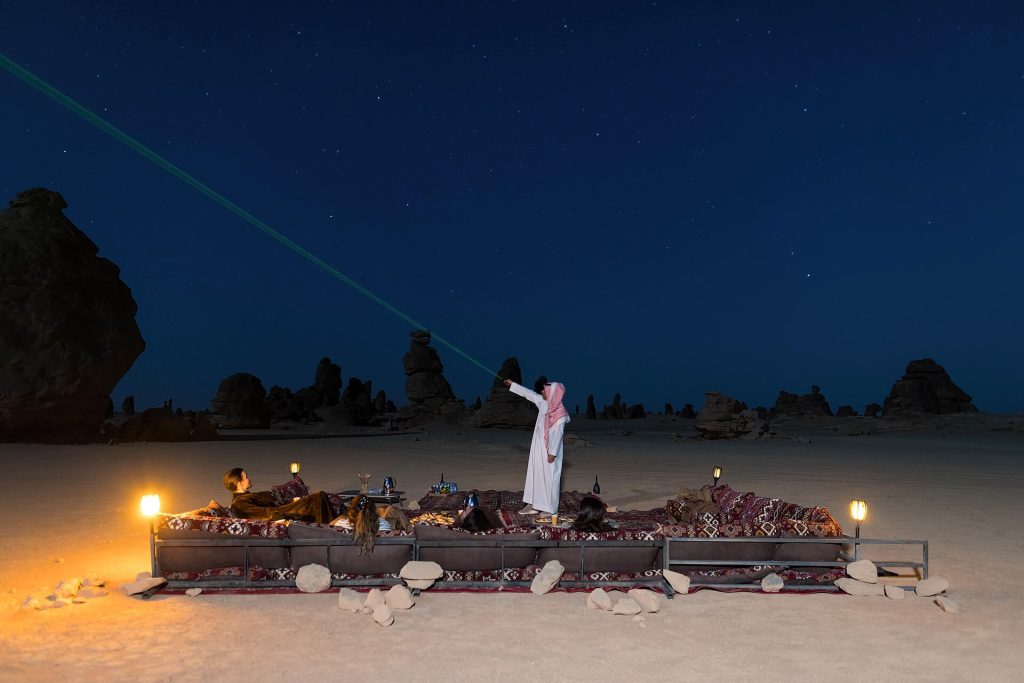
Book Hegra as a guided site
Hegra is not a monument to approach casually by private car. Experience AlUla states that visitors explore on organized tours and self-driving is not permitted within the site. Choose a tour format, confirm the meeting point, and allow transfer time before adding another activity. During the visit, look beyond the tomb façades to the wells and water systems that show how people lived there. Reserve a separate block for AlUla’s town or landscape. Tour availability can change, so check the official page near travel. Official visitor information.
Choose the depth of the tour
A basic site tour can introduce Hegra’s tombs, but a longer guided format may better suit travelers who want history and archaeological context. Compare what each official tour actually visits rather than assuming the most expensive option is necessary. Ask whether walking distances, shade, and transport meet your group’s needs. Follow the guide’s instructions around fragile surfaces, and do not climb or touch carved features. That care matters in an archaeological landscape.
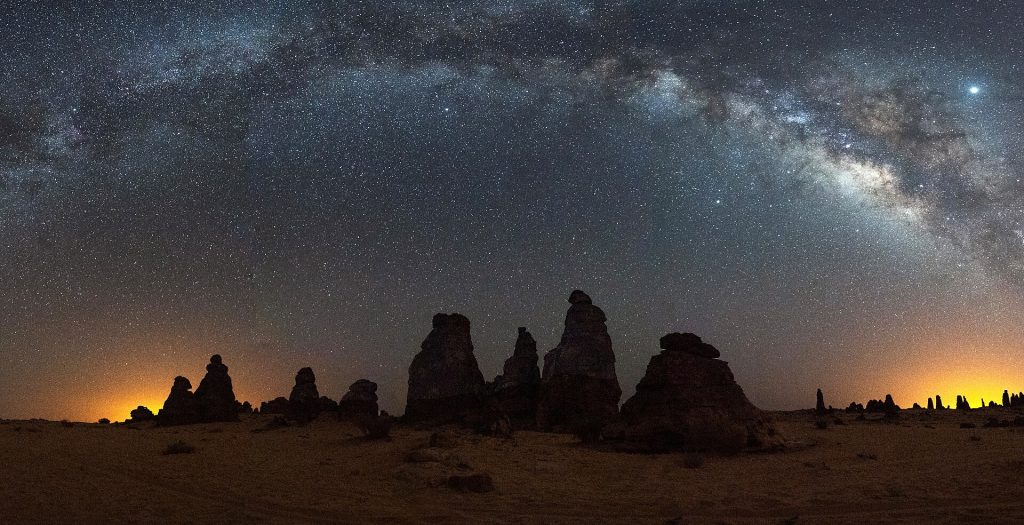
Give the region another chapter
Hegra is the anchor, not the whole of AlUla. Pair it with a separate day or half day focused on the old town, oasis, or landscape according to your interests. Avoid stacking several guided departures so tightly that transport delays leave no margin. Seasonal programming can change; consult the official destination calendar near travel rather than relying on last year’s event list. A slower itinerary leaves room to understand how people used this terrain beyond its most famous façade.


The conversation
Join the discussion
Have a useful tip or a question about this journey? Share it with fellow readers. Please keep comments respectful and relevant.