
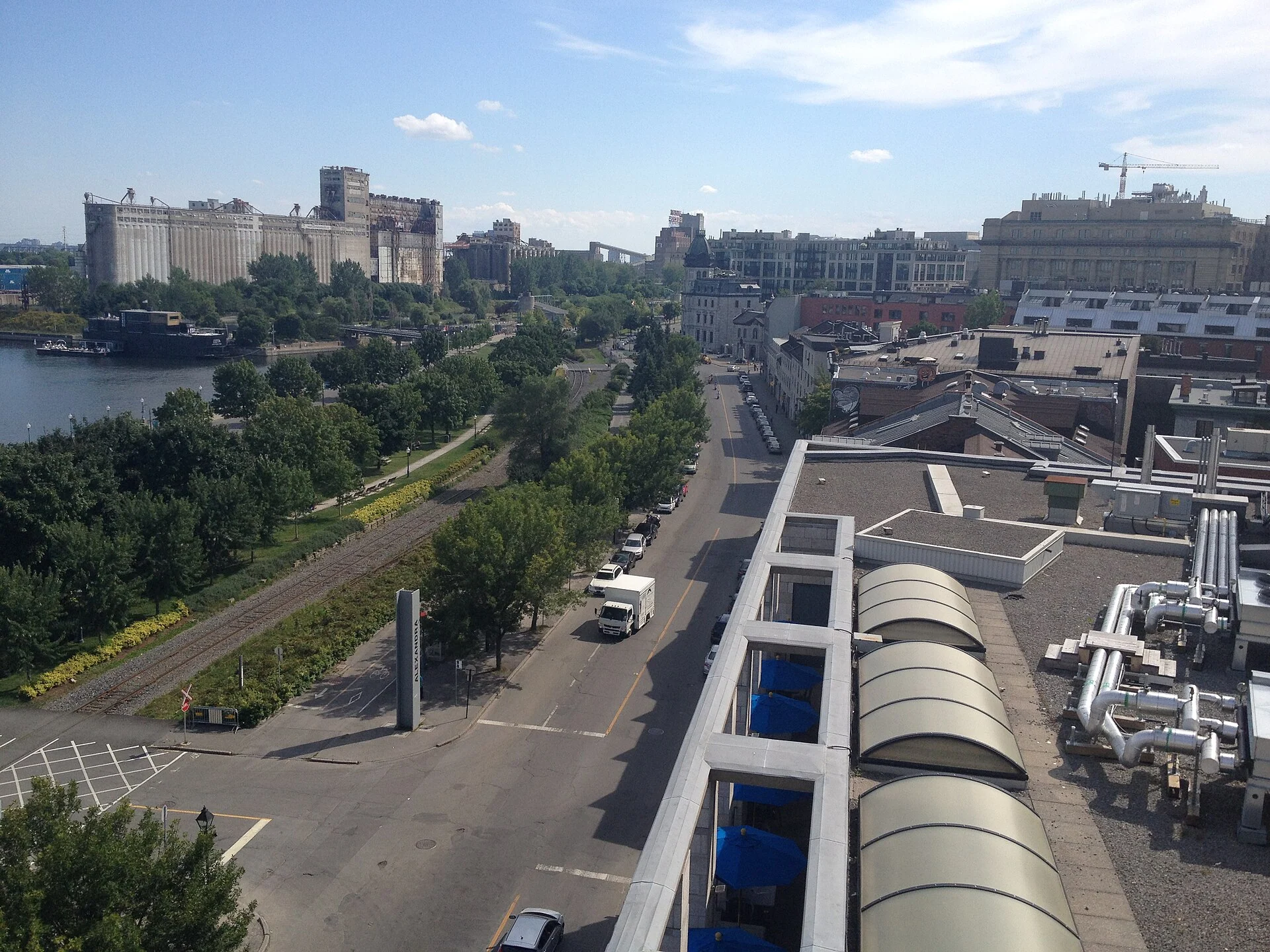
Montréal rewards walking with its mix of older streets, cultural venues and neighborhood cafés. Old Montréal is a natural starting point, but it is only one chapter. Give the city a second day in a different quarter, chosen for food, galleries or parks.
Start with the old city
Use the official Old Montréal guide to orient yourself. Walk the public streets and waterfront, then visit one museum or interpreted site that adds context to the architecture. The area is busy in peak periods; moving a few streets away can provide a quieter meal. Watch for uneven pavement and allow time to enter historic buildings rather than only photograph façades.
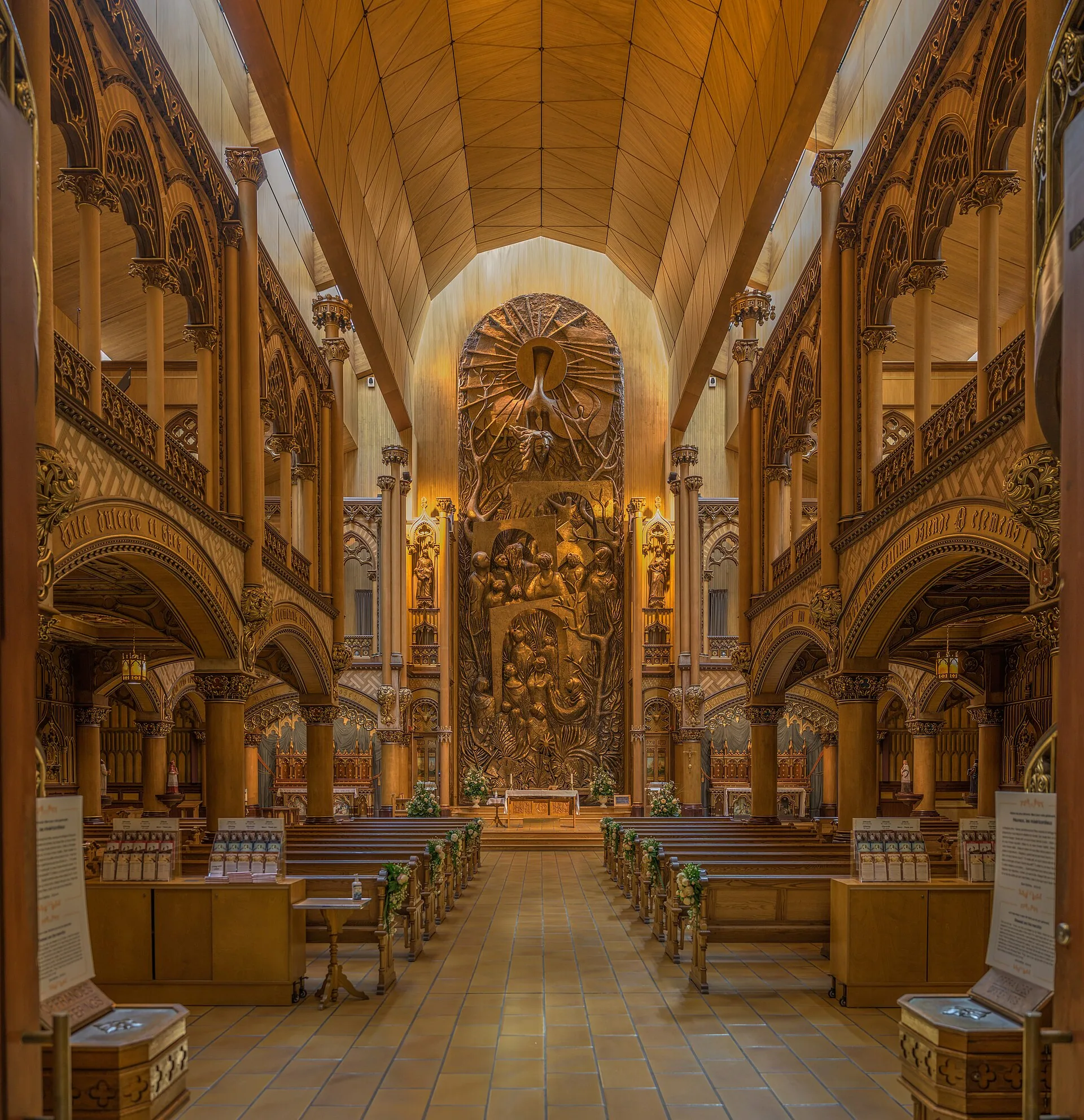
Choose a second neighborhood
The city visitor bureau lists current events and district guides. Select a quarter whose everyday businesses interest you, then spend an afternoon there. Montréal’s food scene is broader than a few famous dishes, and a market or independent café can be as memorable as a reservation at a celebrated restaurant. Ask about French-language menus if needed; a few polite French phrases are useful.
Season matters. Winter calls for warm layers, secure footwear and indoor breaks. Summer can bring festivals and crowded weekends, so book key performances early while leaving space to wander. Public transit connects many districts, but check late-night service and accessibility for a specific route.
The city is best appreciated as a place where heritage and current culture overlap. One day among old stone buildings and another in a lived-in neighborhood offers a richer Montréal than a checklist of iconic photographs.
Plan around language and distance
Montréal is bilingual in many visitor-facing settings, but French is central to public life. Start interactions politely and do not assume every independent shop has an English-speaking employee. Learn basic terms for dietary needs before dining. Museums and performances can have language-specific tours; verify that when booking.
Neighborhoods may look close on a map but winter conditions or summer heat can slow a walking day. Use the metro for longer links and reserve outdoor wandering for one compact area. If your trip coincides with a major festival, check road closures and room availability. A less crowded weekday can offer a very different experience from a busy weekend.
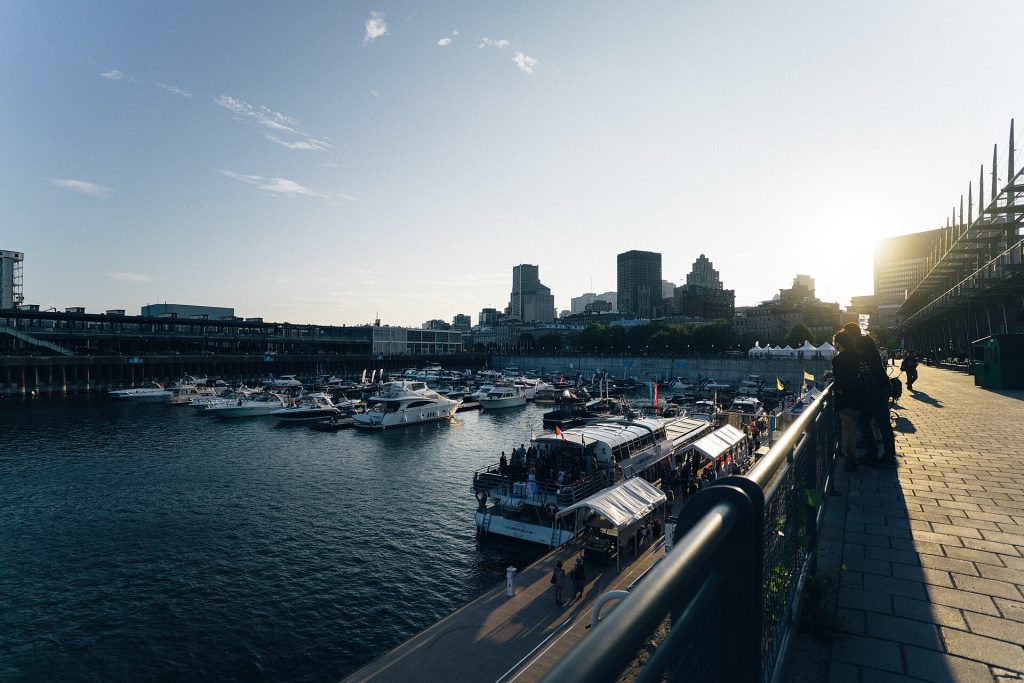
Choose a neighborhood pair instead of a citywide checklist
Tourisme Montréal’s neighbourhood guide distinguishes Old Montréal and the Old Port from the Plateau, Mile End and other residential districts. Pair one historic walk with one more contemporary area, allowing time for shops, cafés and public spaces. That contrast tells a richer city story than moving from monument to monument. If a museum or performance is central to the day, check its current hours before deciding where to eat nearby.
Use the season to set the pace
Montréal’s outdoor experience changes markedly through the year. The tourism office’s planning FAQ places different neighbourhoods and waterfront routes within workable day plans. In cold or wet weather, keep an indoor cultural stop near your walking area rather than relying on a long outdoor circuit. Public transport can connect districts, but leave one neighbourhood unscheduled so you can respond to what is open and interesting on the day.
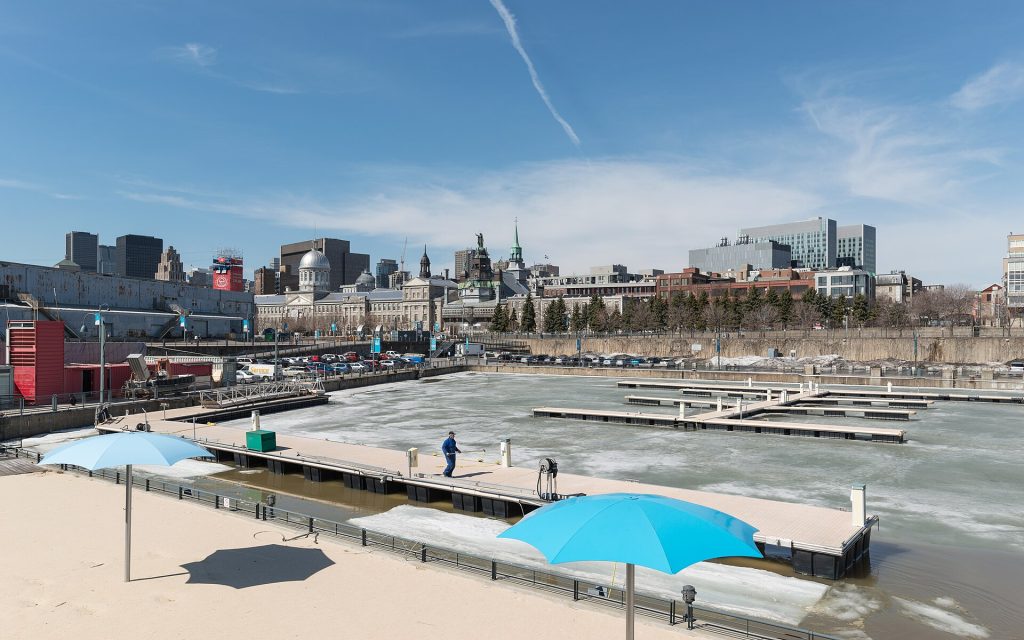
Use a museum to connect two districts
Tourisme Montréal’s neighbourhood map can help pair Old Montréal with a second district such as the Plateau or Mile End. Choose a cultural institution or market that explains why the second district interests you, then travel there once rather than zigzagging between neighbourhoods. For visitors with a short stay, the official planning FAQ suggests workable day lengths and nearby areas. Check festival dates before making reservations, because a street that is lively during an event can be much quieter on another week. Leave room for a meal chosen on the day.




The conversation
Join the discussion
Have a useful tip or a question about this journey? Share it with fellow readers. Please keep comments respectful and relevant.