
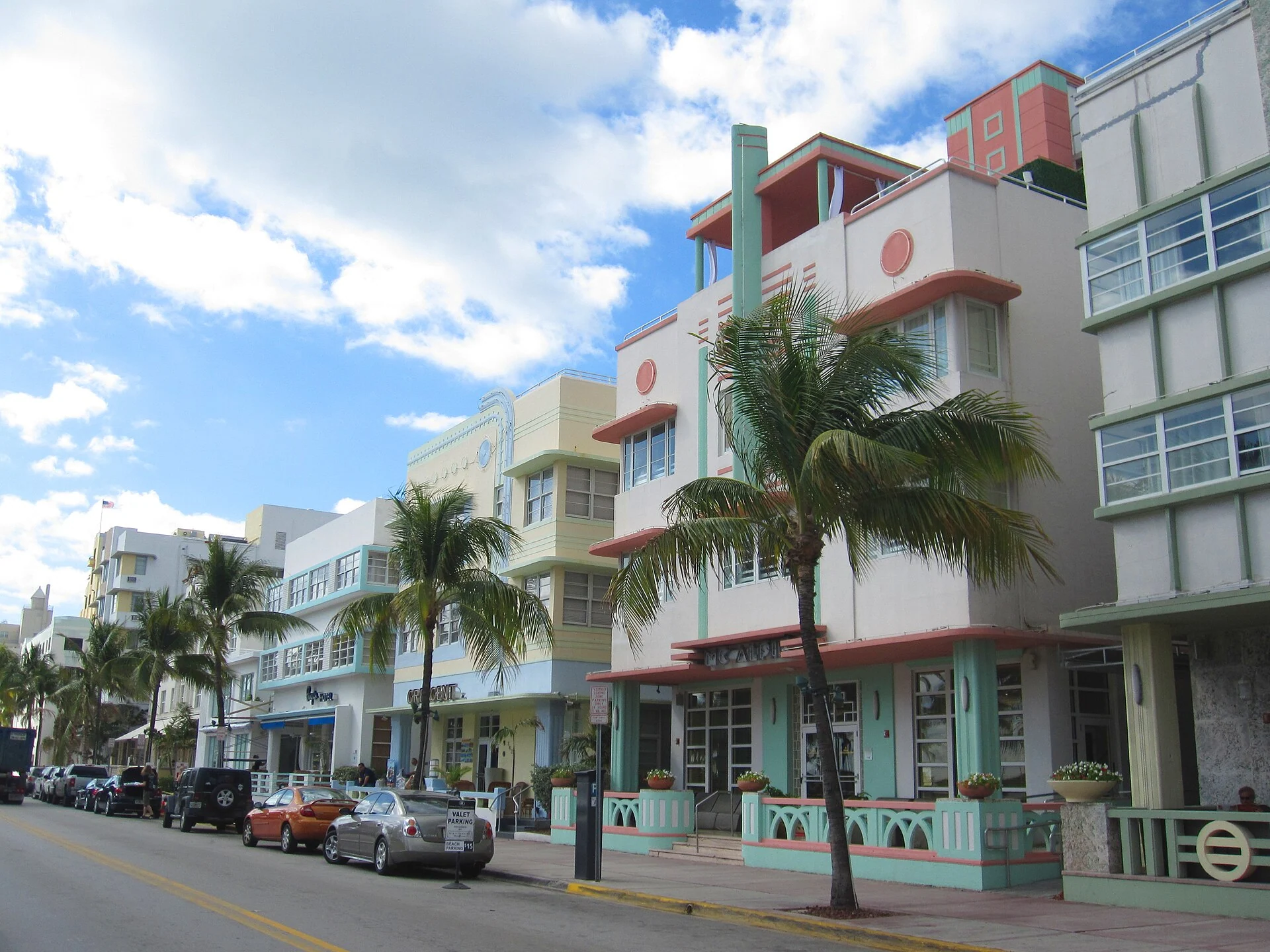
Miami is more than a beach skyline. Its neighborhoods carry different languages, histories and creative scenes, so choose a few areas and give each room to unfold. Little Havana makes a compelling first stop, provided you approach it as a living Cuban-American neighborhood rather than an open-air set.
Listen before photographing
Walk Calle Ocho and nearby streets, stop at a café or restaurant and notice how public spaces are used. The official Little Havana guide can help with orientation. Ask permission before photographing people, and support businesses through a genuine purchase rather than using their storefronts as backdrops. If you want a guided history walk, choose one that includes the neighborhood’s migration story and contemporary residents.
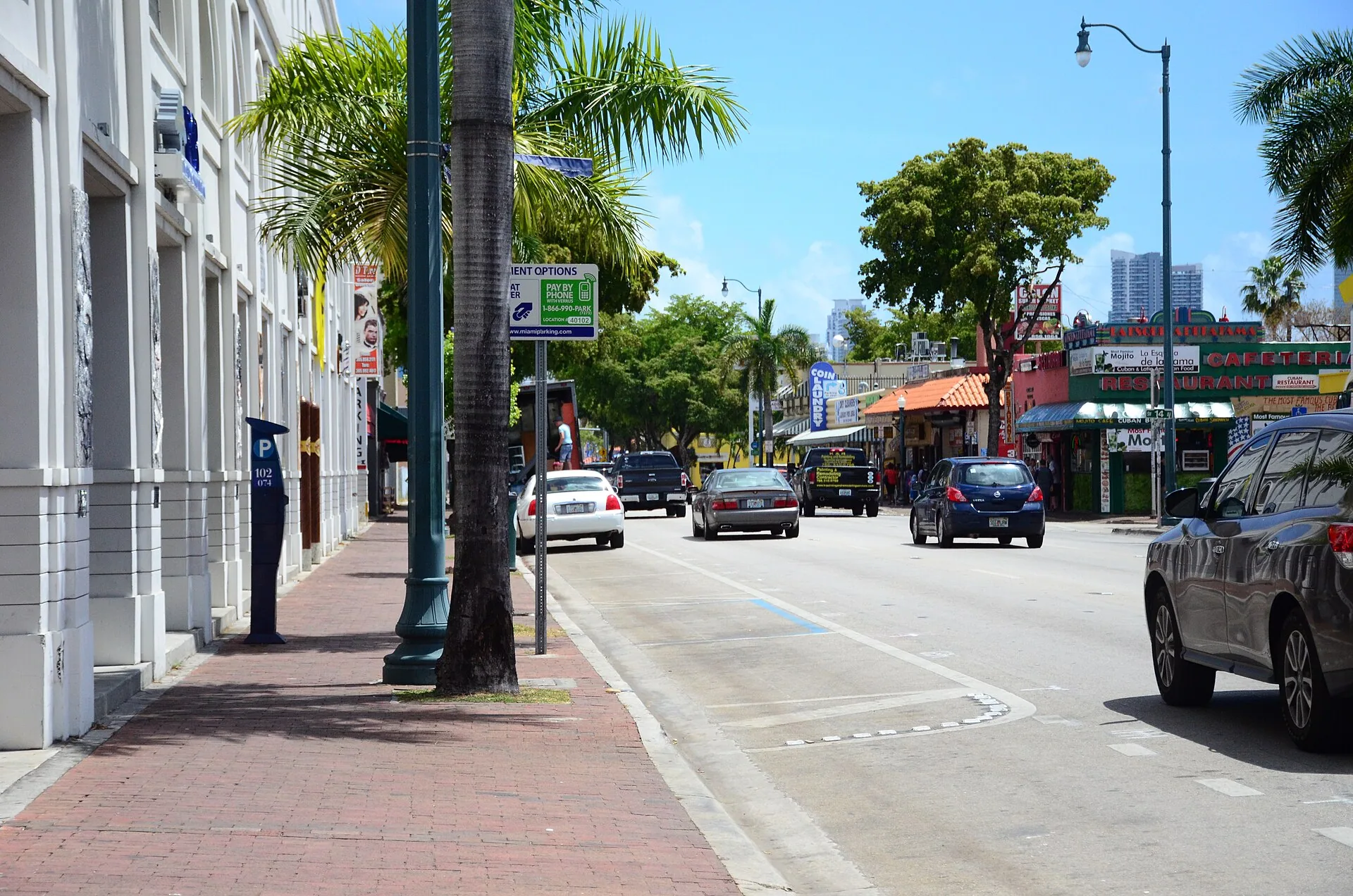
Give art and coast their own time
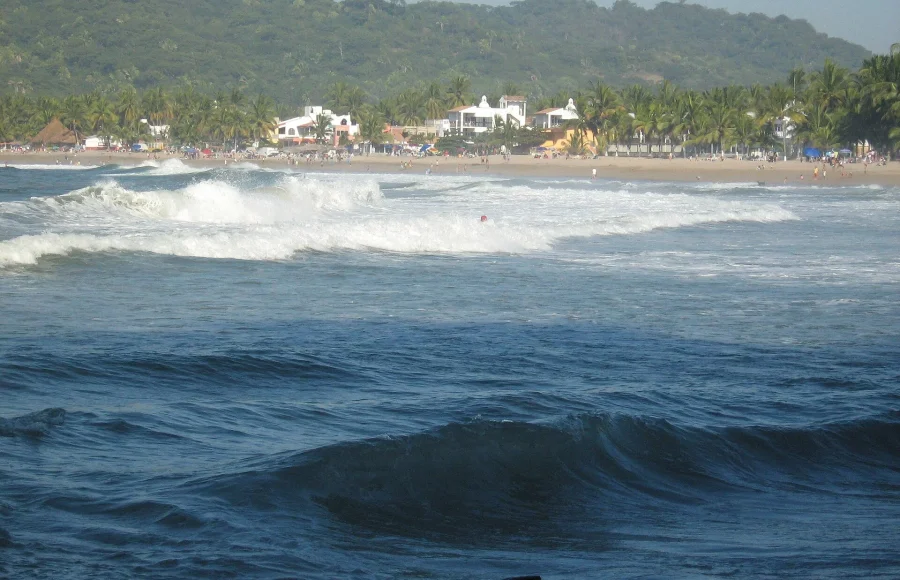
On a second day, choose an art-focused district or museum; the tourism bureau’s neighborhood pages help compare areas. Another day can center on the beach. Check current water conditions and local rules, use sun protection and avoid disturbing dunes or wildlife. Beach access, parking and crowds vary by location.
Miami traffic can reshape even a short-looking route. Group nearby stops and consider transit or walking when practical. Summer storms and strong sun call for an indoor fallback. In the evening, seek a restaurant or live performance that reflects a neighborhood you have already explored. The city’s appeal comes from its mix of communities; a thoughtful itinerary makes space for them instead of reducing Miami to a single glamorous image.
Understand the weather and water
Miami’s tropical climate brings intense sun and seasonal storms. Check forecasts before a boat or beach plan, and use marked swimming areas. If exploring wetlands or wildlife areas, follow park guidance on distance from animals and stay on established routes. A water-based excursion should have a clear safety briefing and cancellation policy.
Use a neighborhood’s own cultural institutions when possible. A gallery, community event or locally guided walk can explain much more than a quick stop for a mural. Ask about the story behind art before sharing it online. Miami’s identities are layered, and the city feels richer when you listen as well as look.
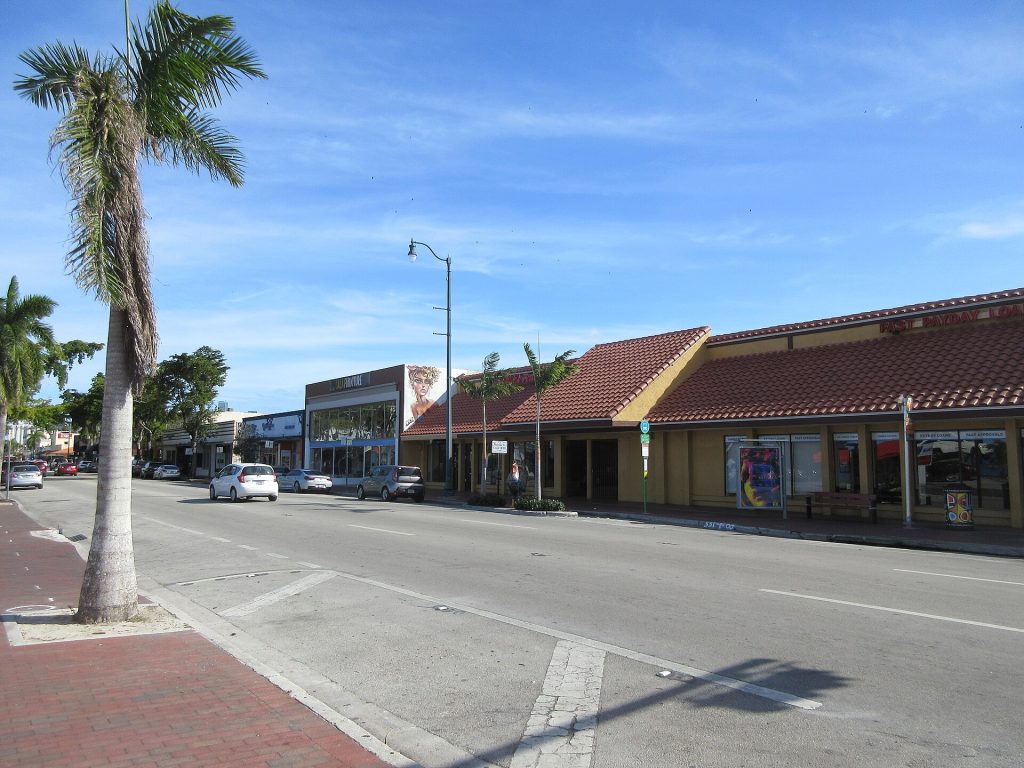
Visit Little Havana as a neighborhood, not a set piece
The official Little Havana heritage guide explains the area’s Cuban-American history and identifies landmarks around Calle Ocho. Choose a short walking route, visit a locally run business and ask before photographing people at work or at leisure. A guided walk can help connect music, migration and food without reducing the neighbourhood to a single café or mural.
Separate an urban day from a marine day
Miami’s waterfront views can tempt visitors to add a boat excursion without preparation. If Biscayne National Park is part of the trip, the National Park Service boating guidance warns about shallow water, tides and fragile reefs. Choose a suitable operator and follow mooring rules; do not assume a city sightseeing cruise offers a national-park experience. Keep Little Havana, a beach and a protected-water outing as distinct choices with realistic travel time.

Use an actual cultural stop as the anchor
The Little Havana heritage guide identifies sites with specific migration and neighbourhood stories. Select one museum, cultural centre or guided walk as the reason for visiting, then add food around it. That approach supports a more informed visit than a hurried photograph on Calle Ocho. If you later plan Biscayne National Park, the National Park Service warns that most of the park is water and shallow marine habitat; it requires a different operator and safety plan from a Miami Beach day. Treat those two outings separately rather than assuming one coastal booking covers both.





The conversation
Join the discussion
Have a useful tip or a question about this journey? Share it with fellow readers. Please keep comments respectful and relevant.