
Begin with a historical framework
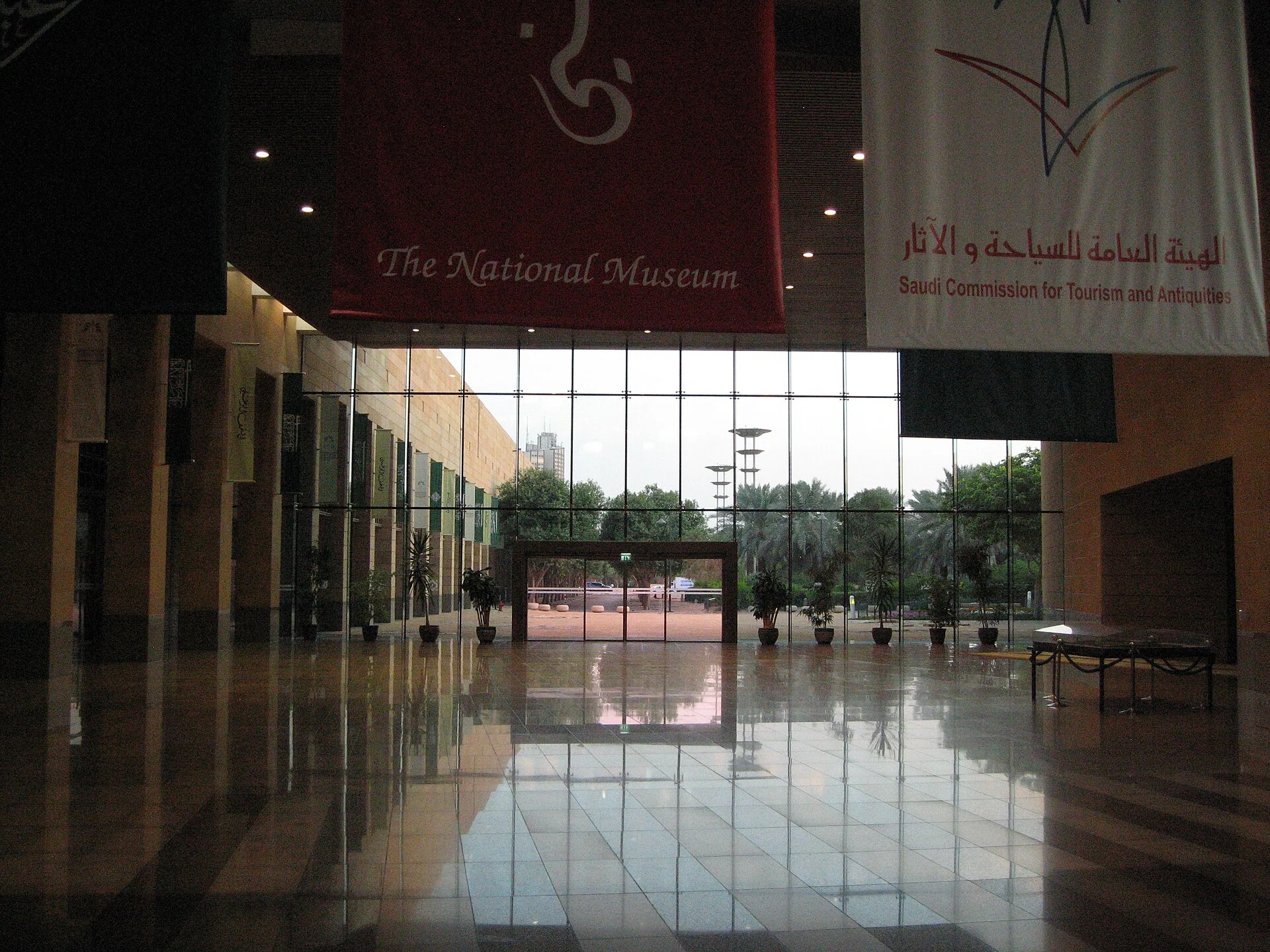
Riyadh’s National Museum offers a useful introduction to the Arabian Peninsula and Saudi history. Visit Saudi places it in the Al Murabba area, making it a good first stop before tackling a city of long distances. Choose several galleries to study rather than trying to read every label in one visit. Then leave time for food or a nearby walk so the museum’s story can settle.
The city is not a single centre where every landmark lies a short stroll away. Plan transport between districts and allow for traffic, especially around timed entry.
Give Diriyah a separate half-day
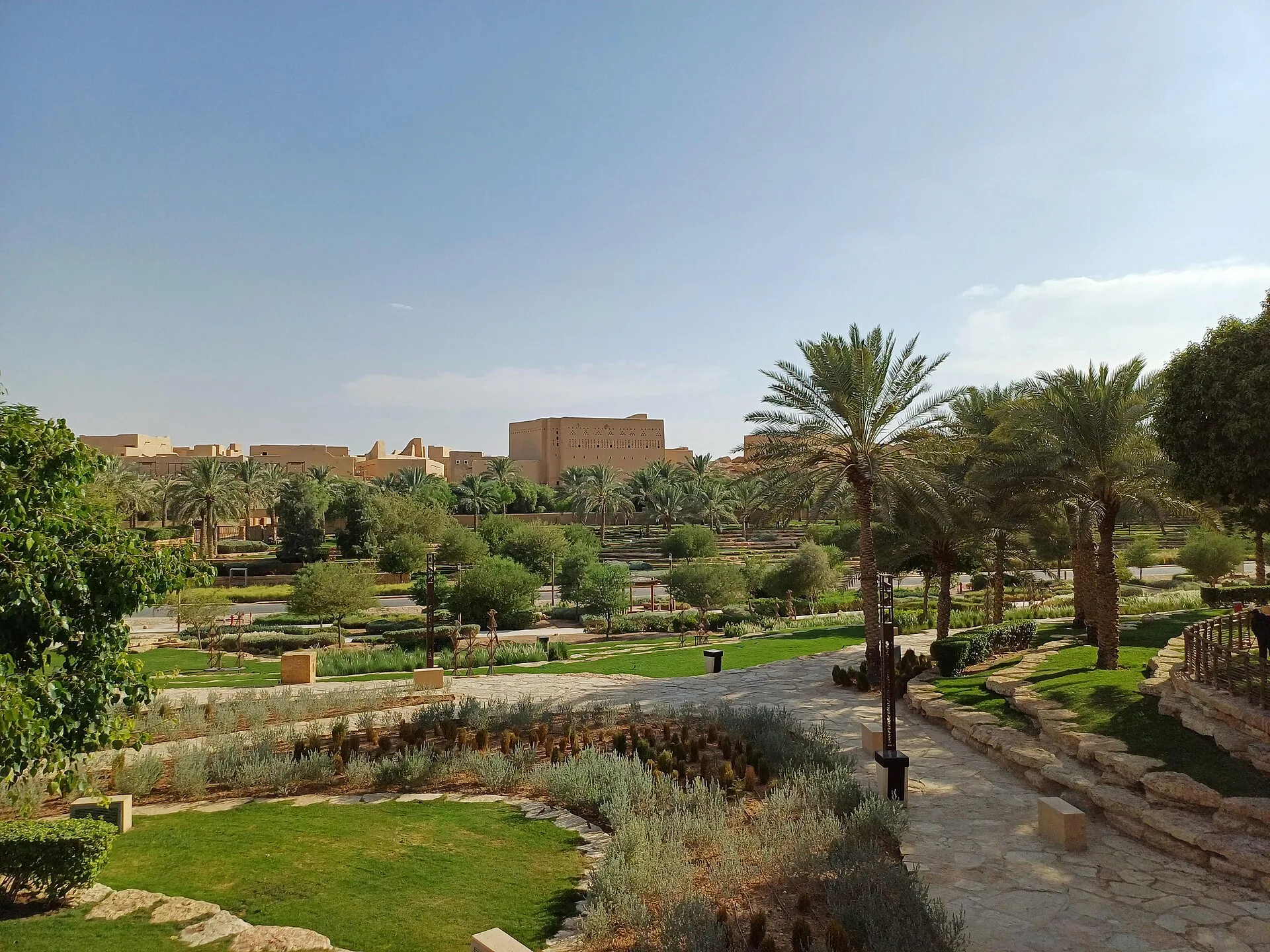
Diriyah, on Riyadh’s outskirts, is associated with the first Saudi state and Najdi architecture. Its At-Turaif district is a UNESCO World Heritage site. Book current access through official channels, dress for sun and uneven ground and consider a guide who can explain the buildings’ political and social setting. Modern dining nearby can be pleasant, but it should not replace the heritage visit itself.
Respect barriers and restored fabric. The area is a protected place with ongoing interpretation, not a stage for unrestricted exploration.
Finish with the present city
KAFD or another contemporary district supplies a contrasting view of Riyadh’s current growth. Walk where public access is allowed, choose a meal and observe how the city uses new spaces. If time is limited, put one main site on each day rather than attempting museum, Diriyah and KAFD in a single rush. Verify openings and events before departure. The strongest first visit places old and new in conversation while still making room for ordinary Riyadh life.
Riyadh’s dining and cultural calendar changes quickly. Reserve a restaurant because it suits your route and cuisine interests, not because it appeared in a dated ranking. If visiting religious or heritage spaces, follow the current dress and photography rules. A local guide can make the transitions between districts clearer. This plan also works for a longer stay: add neighbourhood time between the three anchors rather than adding more major attractions and rushed transfers.
Give each chapter its own time
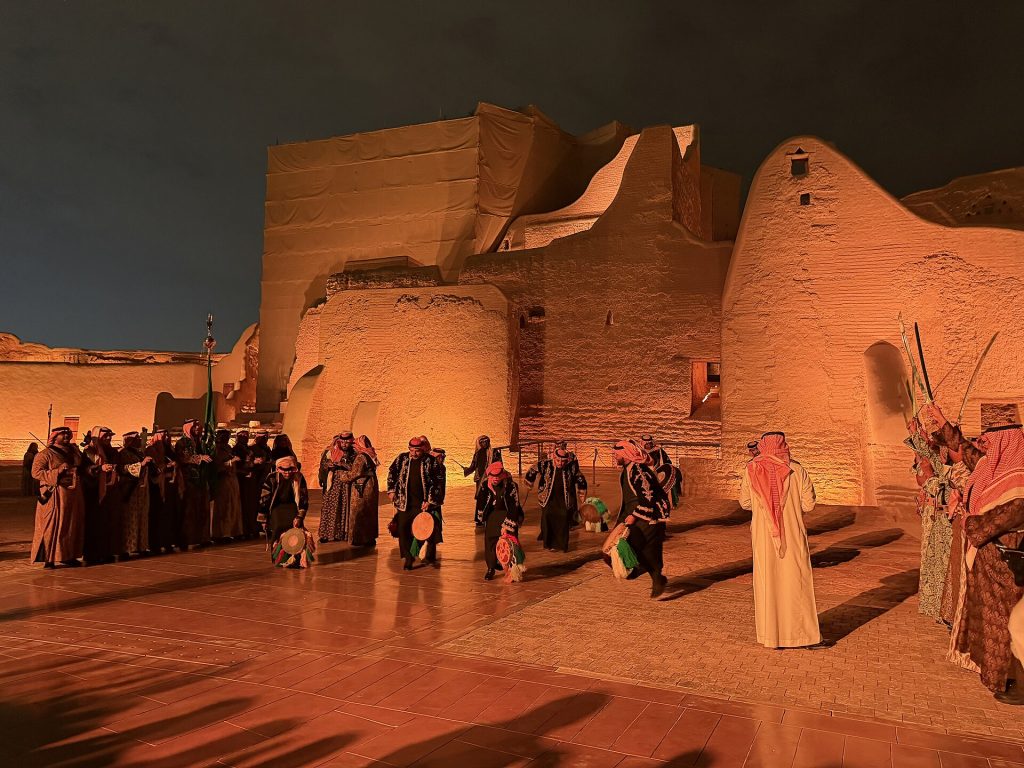
The National Museum, Diriyah, and KAFD tell different stories, and each deserves more than a photograph. Choose the National Museum for historical context, then give Diriyah a separate visit if time allows. Diriyah’s official visitor page is important for current access and events, which can change. KAFD can anchor another walk focused on the contemporary city. Group these stops by travel time and opening hours rather than forcing a fixed order. This makes Riyadh’s transformation easier to understand and leaves room for meals and transport. Official visitor information.
Use the museum as orientation
The National Museum can provide a frame for later visits. Choose exhibits that help you understand the region’s landscape and history, then carry a few questions into Diriyah rather than trying to memorize every display. Check current opening arrangements directly. If you are traveling with children or a group with mixed interests, agree on a manageable museum duration and leave time for a meal before the next journey.
Keep Diriyah and KAFD distinct
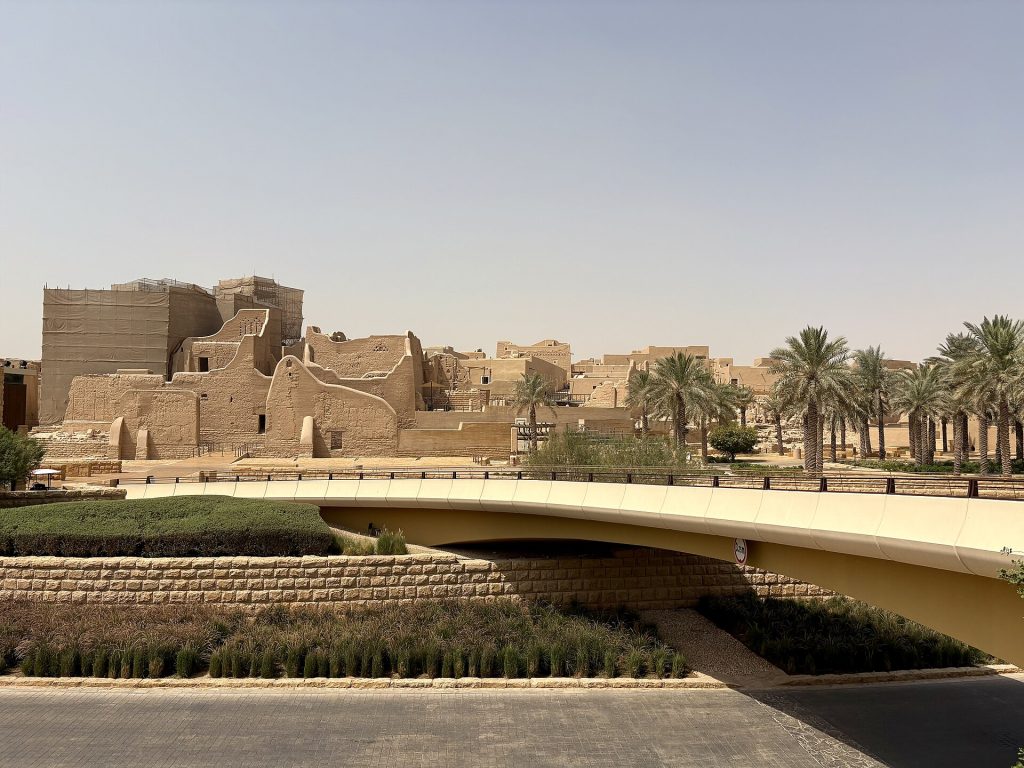
At-Turaif and the financial district invite different kinds of walking. Historic fabric needs attentive movement and respect for protected areas; KAFD is better read through public space and contemporary architecture. Give each a separate block, with transport time between them. If a venue or route is temporarily restricted, use the official visitor pages to adjust rather than forcing an outdated plan. The contrast works best when both places have enough time to speak for themselves.


The conversation
Join the discussion
Have a useful tip or a question about this journey? Share it with fellow readers. Please keep comments respectful and relevant.