
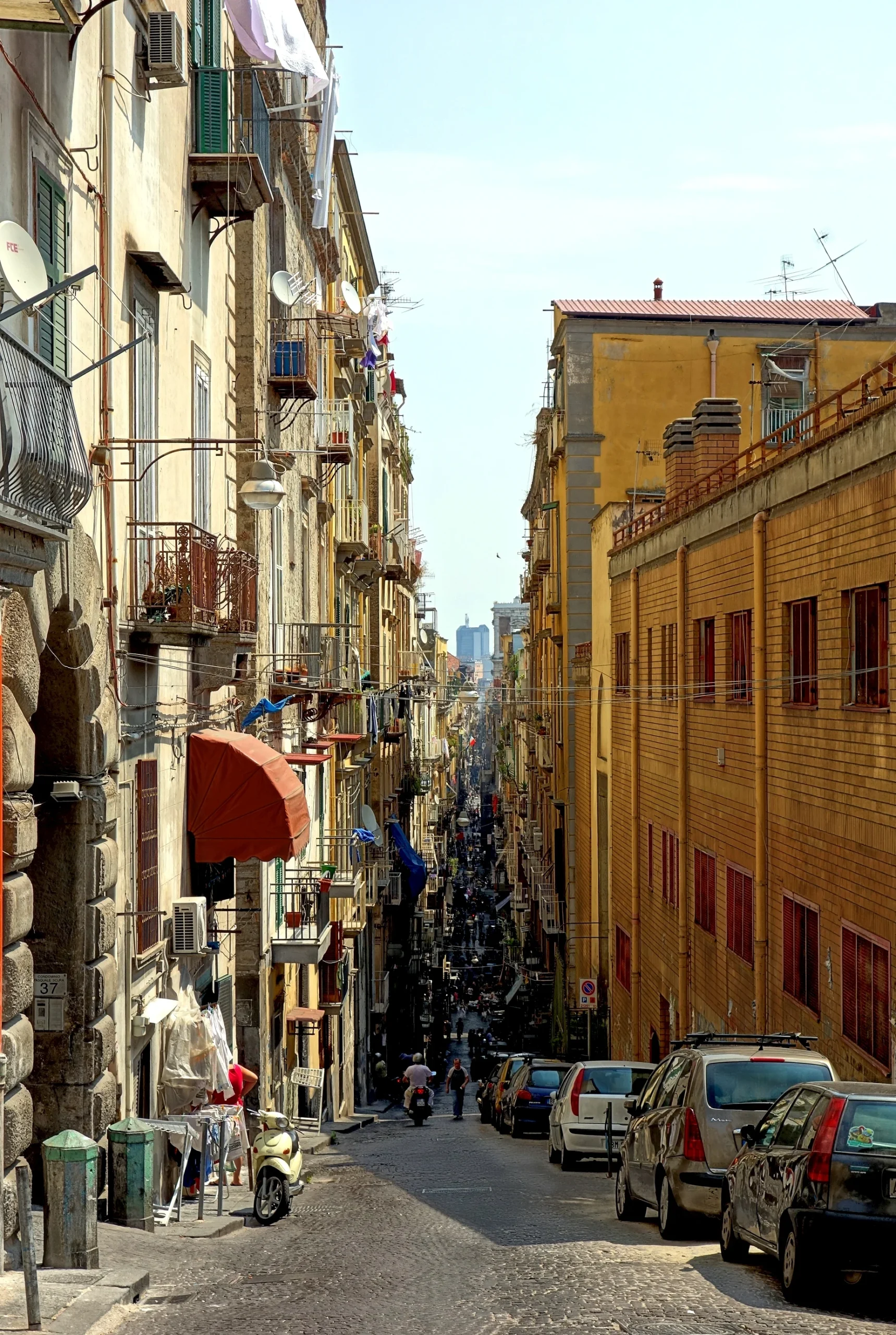
Naples asks visitors to pay attention. Its busy streets, churches, markets, and layers of underground history create an experience that cannot be reduced to pizza or a quick transfer to the Amalfi Coast. The historic center is dense, and the wider city spreads toward the waterfront and hills. Rather than race through a list of landmarks, choose a neighborhood to explore carefully and a museum or historic site that gives context to what you see outside.
Begin in the historic center
Walk the older streets during daylight, allowing time to step into courtyards and churches that are open to visitors. Street life changes by block, so a flexible route is more rewarding than a rigid march between pins on a map. Watch for scooters and uneven pavement, and keep your belongings secure as you would in any large city. A guided walk can be useful if you want a clearer account of architecture, religious traditions, and how different eras shaped the center.

Choose one deeper encounter
Naples has major art and archaeological collections as well as underground spaces and historic religious sites. Pick a subject that genuinely interests you and check its official visiting rules before arrival. Trying to fit a museum, an archaeological excursion, and several churches into the same afternoon can leave little room to understand any of them. If Pompeii or another site is on your itinerary, dedicate a separate day and plan the transport in advance.
Eat as part of the city
Pizza is an excellent reason to stop, but the city’s food culture is broader. Look into bakeries, markets, and neighborhood restaurants, and allow a proper meal rather than pursuing one viral address. A queue can be a sign of popularity, not a guarantee that it suits your tastes or schedule. Walk the seafront later for a contrasting view of Naples and the bay.
Use Italia.it’s Naples guide for an overview of attractions. Naples rewards a traveler who gives it time, curiosity, and enough space in the day for the unexpected.
The historic streets can feel intense at first. Pause in a square, learn the route back to your base, and explore a few blocks at a time. Confidence grows quickly when you let the city unfold at a human pace.

Give Pompeii a separate decision
Naples itself can fill several days. If Pompeii is essential, reserve a distinct day for it and plan transport and site access directly through official channels; do not treat it as a quick addition after a city museum. If you have only one day in Naples, choose the historic center and one collection or guided visit instead. The Italian tourism guide shows how many kinds of heritage the city contains. Leaving time for a market street, a meal and the waterfront lets those layers connect rather than reducing Naples to a transfer point.
Set a city day apart
If you also plan Pompeii or the Amalfi Coast, dedicate a clear day to Naples itself. The historic center rewards walking, but its churches and museums need entry time and attention. Choose one cultural anchor, then explore adjacent streets and food stops. This also reduces the risk of spending your entire Naples visit in stations or traffic. Save the longer excursion for a separate day with its own weather and transport plan.
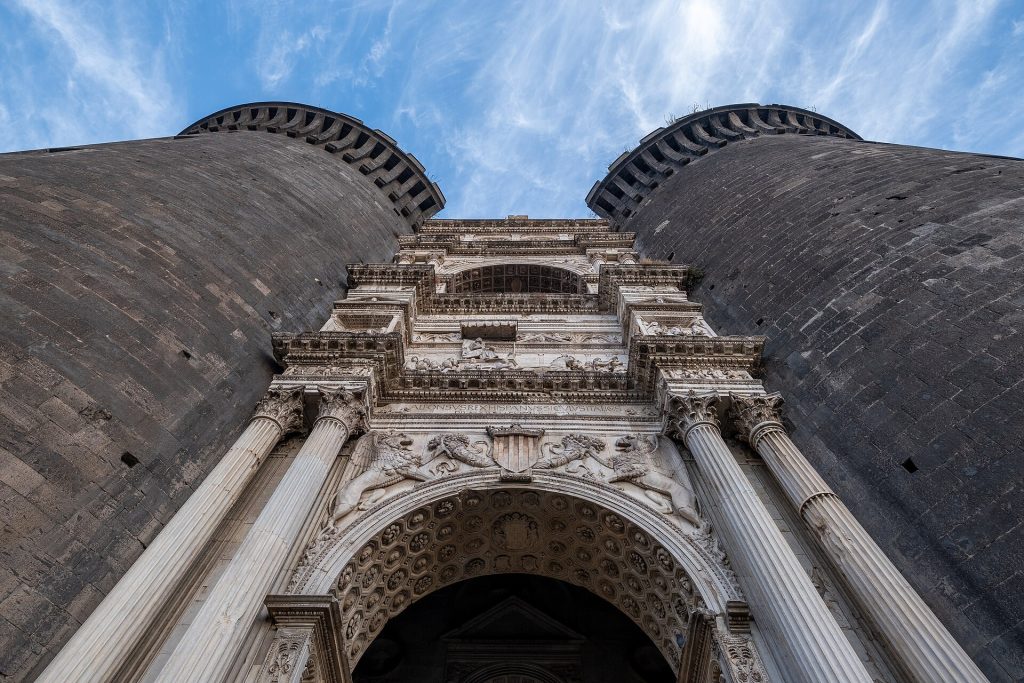
Travel with street-level awareness
Busy intersections and narrow lanes require attention to scooters and uneven paving. Carry only what you need for the day, keep valuables secure, and pause before reading a map rather than stopping in the flow of pedestrians. These are ordinary large-city habits, not a reason to avoid exploring. A local guide can help you understand the layers beneath a lively street scene and direct you toward sites suited to your interests.




The conversation
Join the discussion
Have a useful tip or a question about this journey? Share it with fellow readers. Please keep comments respectful and relevant.