
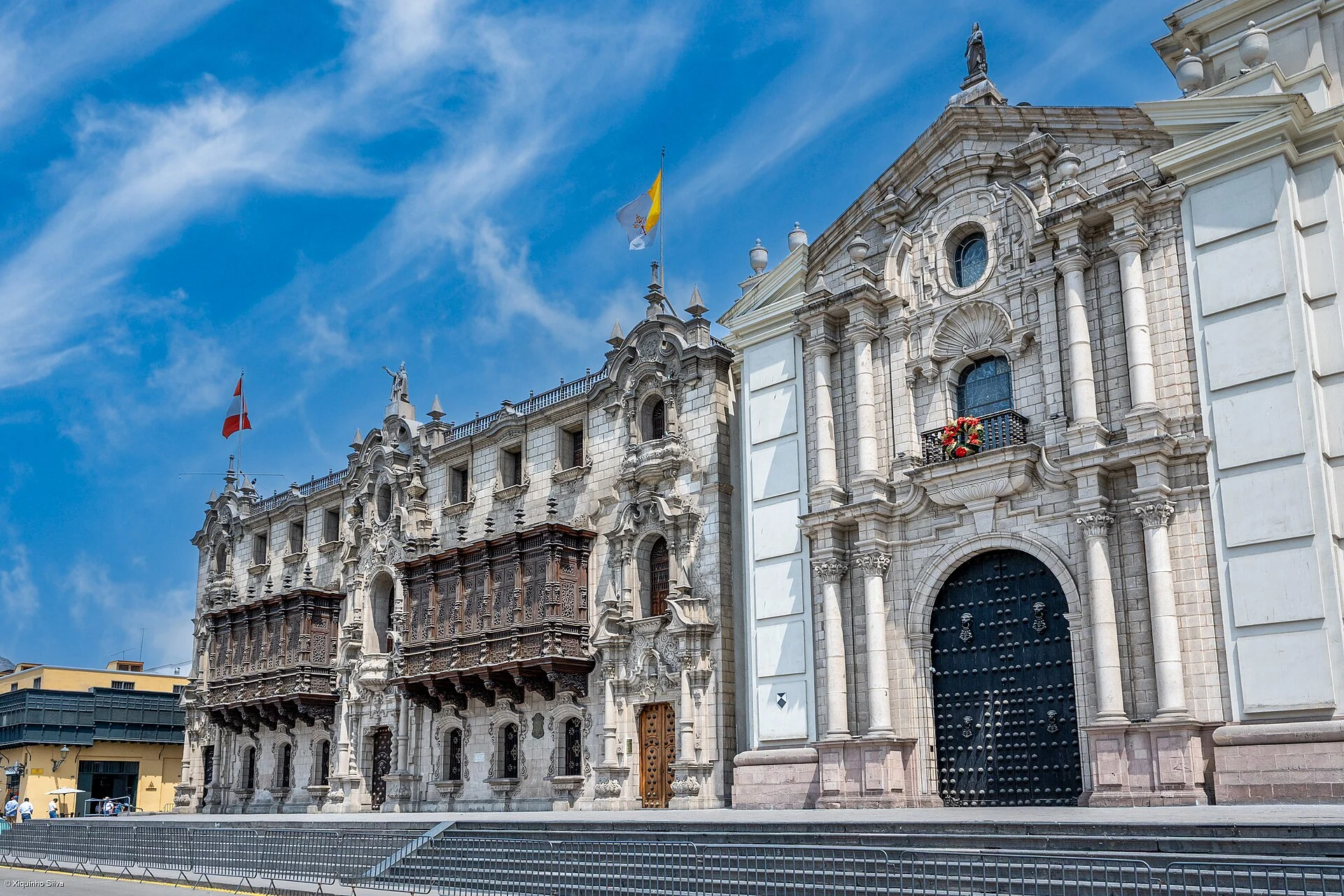
Lima is often a gateway to Peru, yet it deserves time of its own. Its historic center, museums and coastal neighborhoods tell different stories about the country. Give each a separate block rather than spending the whole visit in traffic between them.
Begin with the center
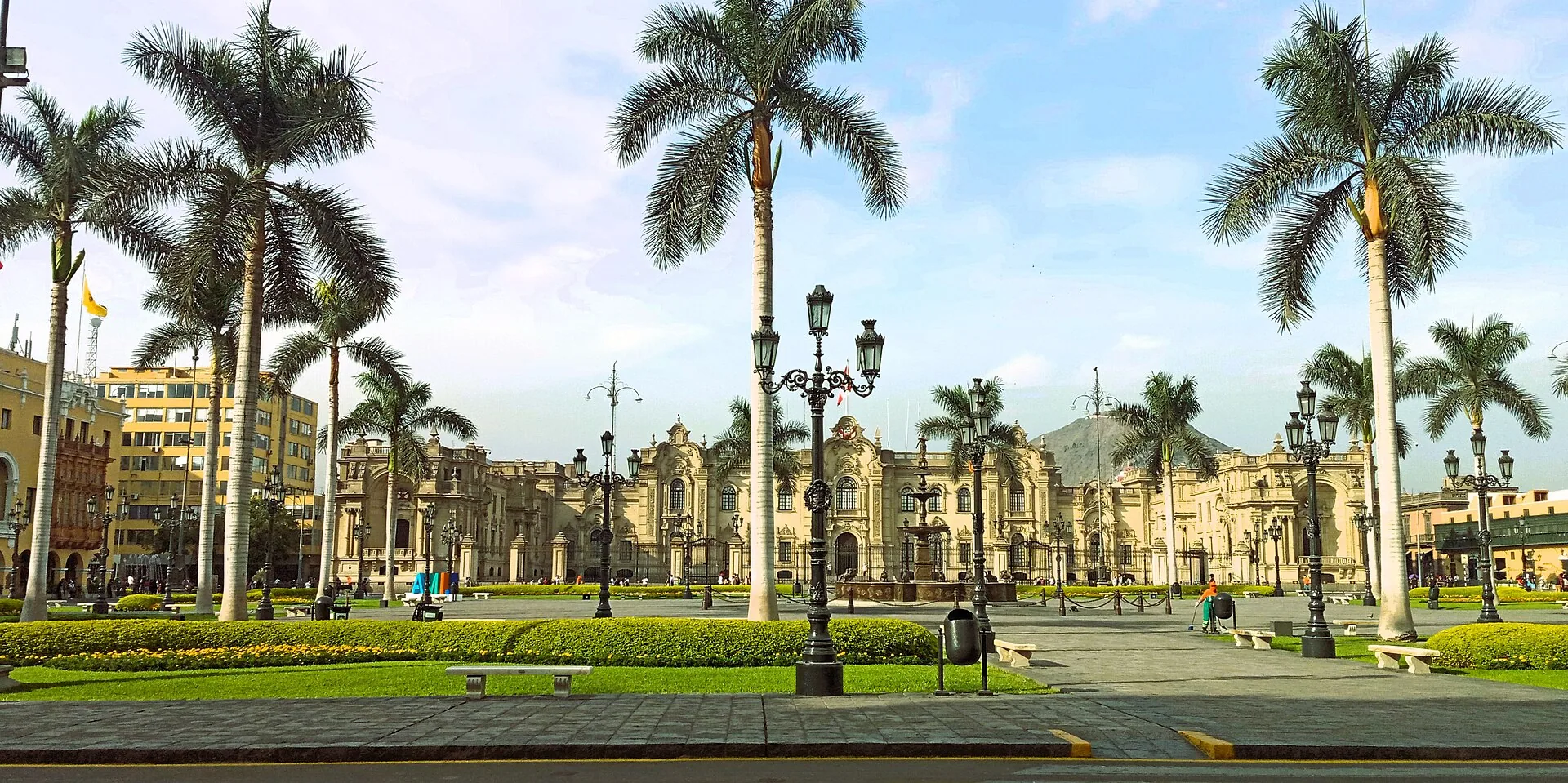
The official Peru tourism guide introduces the historic core. Walk its public plazas and choose one building or museum to explore properly. Colonial architecture should be read alongside the histories of Indigenous peoples and labor that shaped the city. A guided visit can help make those connections.
Plan transport before leaving the center, especially if your next stop is near the coast. Lima is sprawling and journey times fluctuate. Check museum hours directly and keep a flexible lunch slot; a rushed schedule can make the city feel more difficult than it needs to.
Let food add context
Lima’s culinary reputation is broad, from seafood to neighborhood cooking traditions. Choose a place that suits your budget and interests, and communicate allergies carefully. Seafood should be eaten at reputable establishments with good handling practices. A market visit can be educational when led respectfully, with permission before photographing vendors.
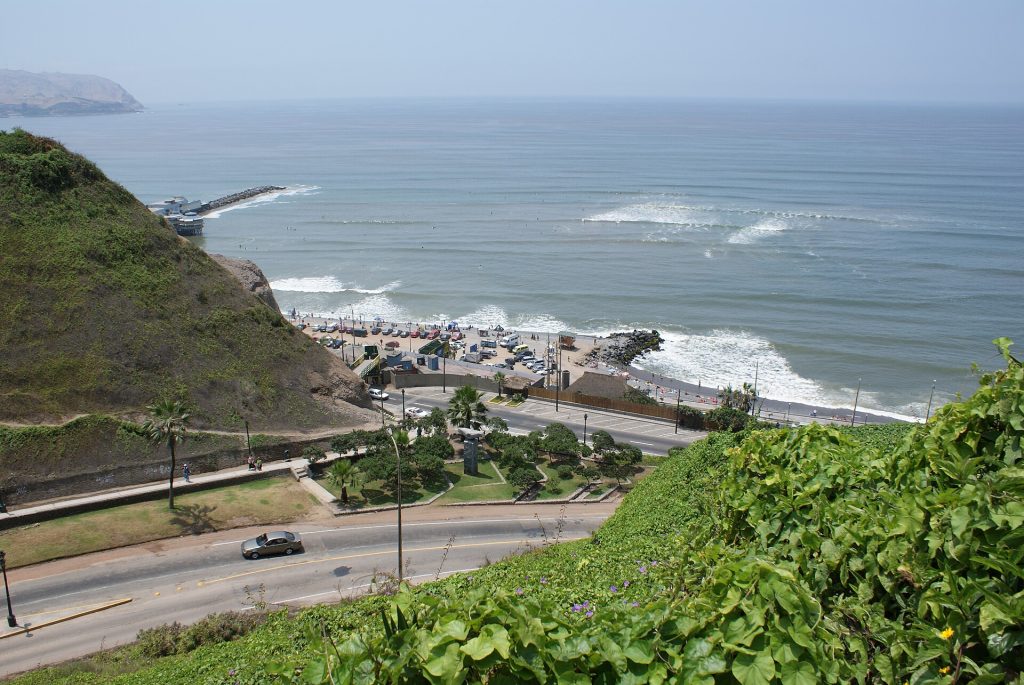
Spend a later afternoon along a safe public coastal path if conditions allow. Ocean mist and changing weather can alter the view, so bring a light layer. The city destination page can help identify other cultural stops. Lima offers more than a pre-flight meal: its layered history and contemporary energy reward a full, deliberately planned stay.
Keep the districts distinct
A coastal neighborhood and the old center offer different experiences and may require a substantial transfer. Do not schedule a tight museum entry immediately after a long meal across town. If you have limited time, choose one area and explore it properly. Lima’s foggy season can be atmospheric but may hide a sunset; plan for the walk, not a guaranteed view.
Before trying a food tour, ask how it selects vendors and whether they are paid fairly. A strong tour explains ingredients, migration and regional traditions rather than providing a string of snacks. Make room for a market or modest restaurant alongside high-profile dining. Lima’s table is varied because the city is varied.
Give the historic centre a distinct morning
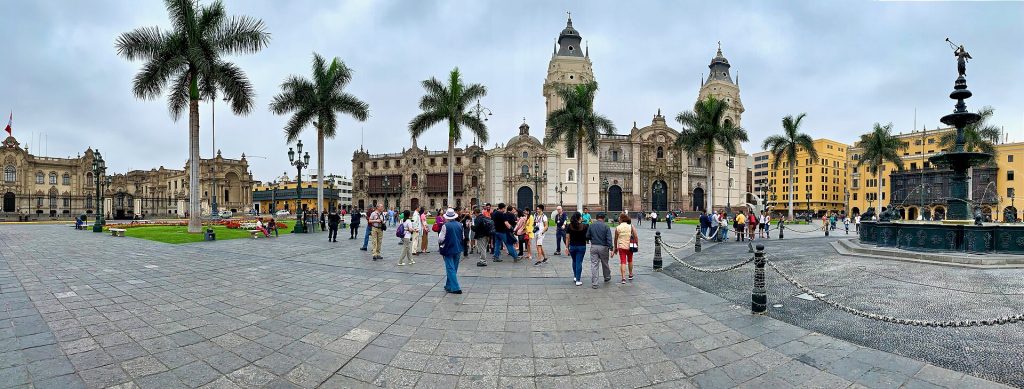
Peru’s tourism office describes a walkable core of plazas, balconies, churches and civic buildings. Pick a route that connects Plaza Mayor with one museum or historic interior, checking access before arrival. Look beyond the decorative balconies to the city’s layers of colonial and republican history. A guide can explain what a facade alone cannot, including how trade and power shaped the capital. Allow for traffic when travelling from coastal districts; map distance is an unreliable measure of cross-city time.
Use food to learn, not merely to collect dishes
Lima’s food scene ranges from neighbourhood markets to formal restaurants. Peru Travel highlights culinary traditions and community-led experiences. Choose one setting where a cook, vendor or guide can explain ingredients and cultural influences, and ask about dietary needs before booking. At a market, remember that stalls are workplaces; request permission to photograph people. A meal with context is more useful than a list of famous plates with no understanding of where they come from.
Keep the coast as another chapter
Plan the Pacific-facing districts separately from the historic centre. The coastal path may suit an afternoon walk, but check weather, walking distances and the route back to your accommodation. If considering a water or aerial activity, use an accredited operator and ask about conditions and cancellation rules. Lima deserves more than a transit night before Cusco. Two geographically focused days let the centre, food and coast show different sides of the capital without repeated long transfers.




The conversation
Join the discussion
Have a useful tip or a question about this journey? Share it with fellow readers. Please keep comments respectful and relevant.