
Start where the city’s trade grew
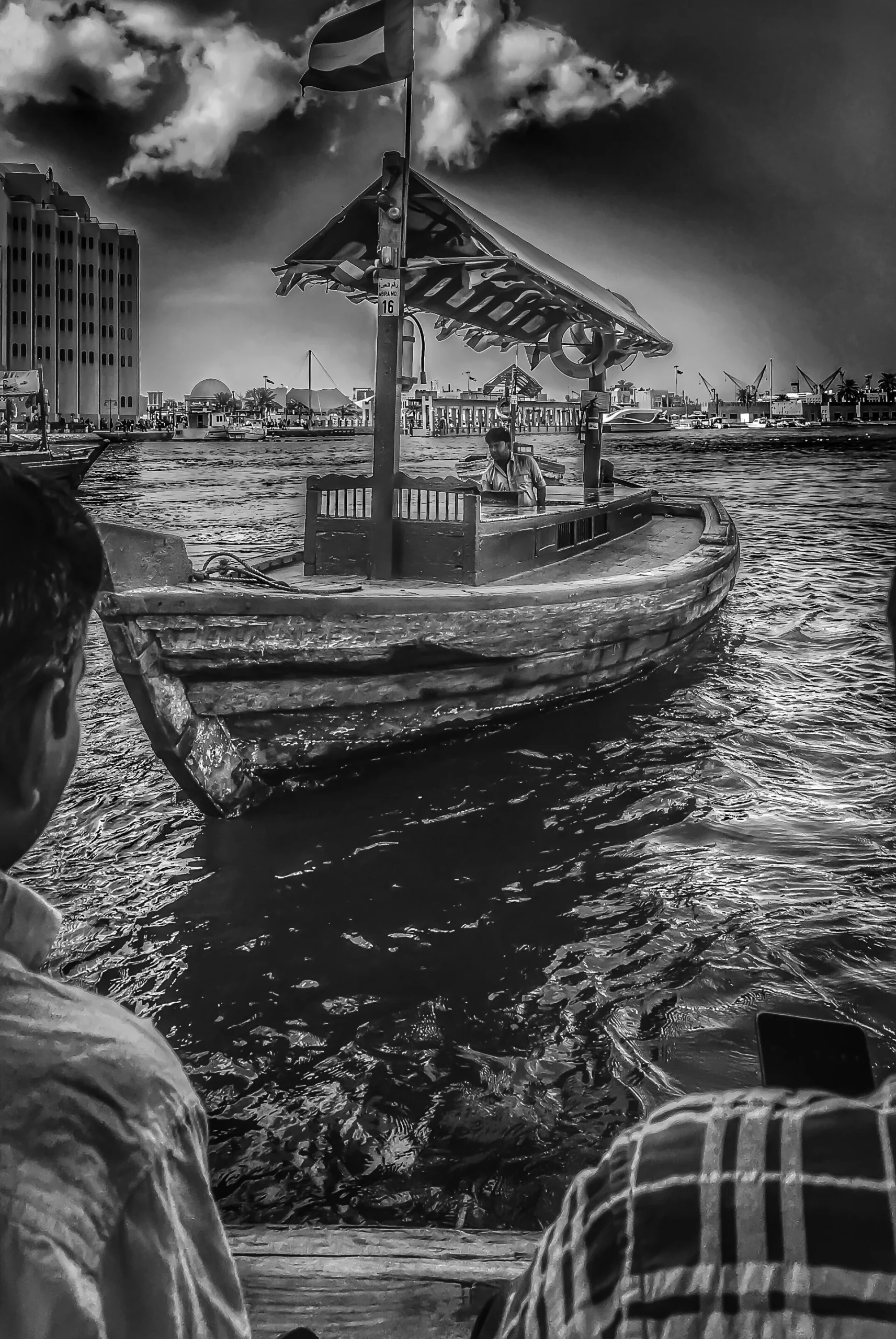
Dubai Creek makes the city’s older geography tangible. Visit Dubai describes Al Shindagha Museum as a place to learn about waterfront life, maritime trade and local traditions. A museum visit before a walk along the Creek gives buildings and boats context. Nearby heritage areas offer lanes, courtyards and small cultural venues; choose a modest route rather than trying to cross the entire city in one hot afternoon.
Al Fahidi Historical Neighbourhood is another useful stop. Walk with attention to wind towers and the scale of older houses, while recognising that many spaces have been adapted for galleries and cafés. These places interpret history; they are not an untouched version of the past.
Move across the water
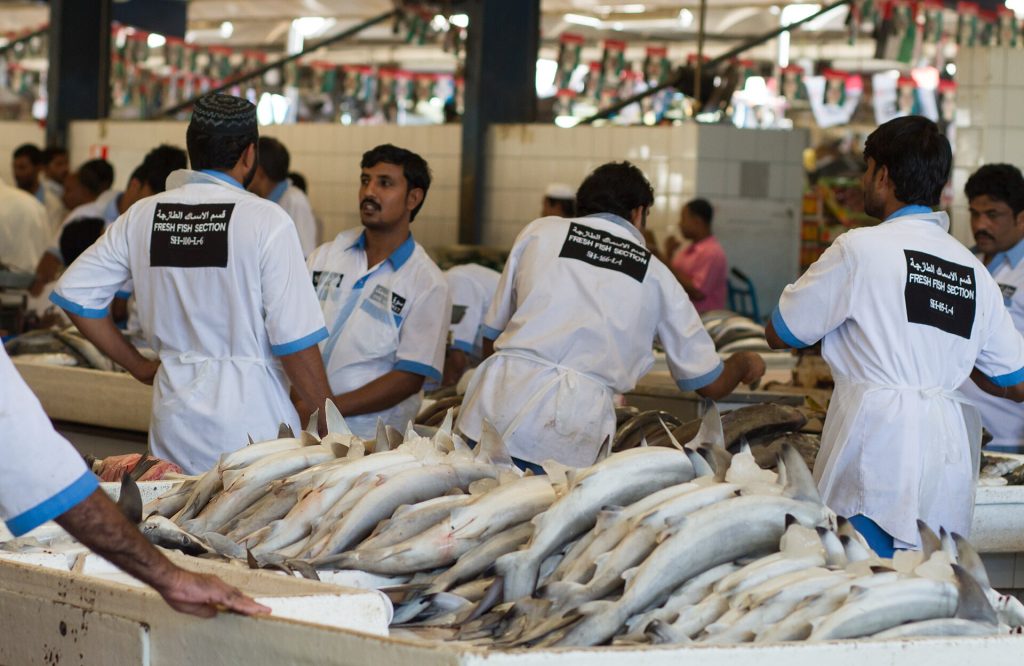
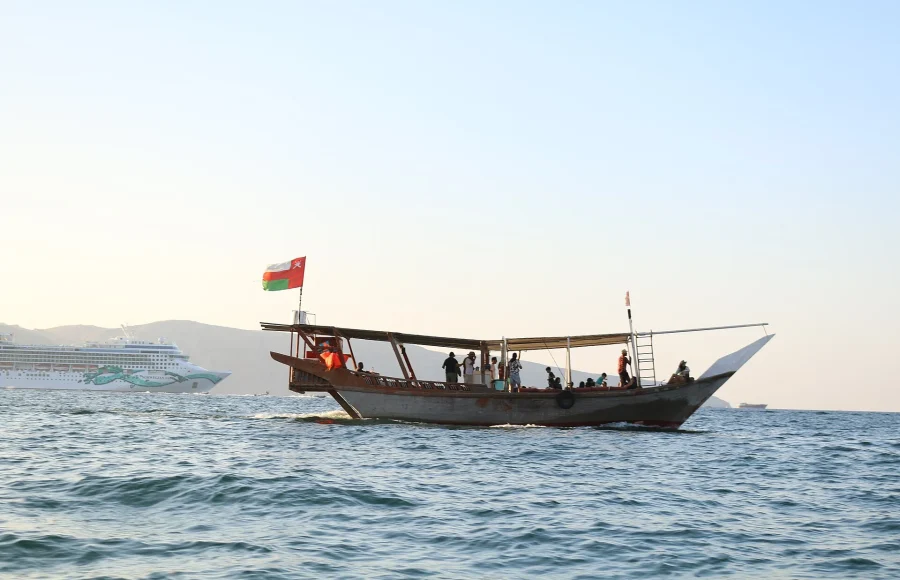
A public abra or other approved crossing gives a short view of the Creek from the water. Check current routes and fares before travel and follow staff instructions at busy stations. On the other side, markets can be lively commercial places. Browse without assuming every trader wants to be photographed or that a sales conversation is an obligation to buy.
The route works best in comfortable weather or at cooler hours. Carry water and use public transport for longer gaps. Dubai’s modern districts can be a separate day rather than an add-on after hours of walking.
Check what is open now
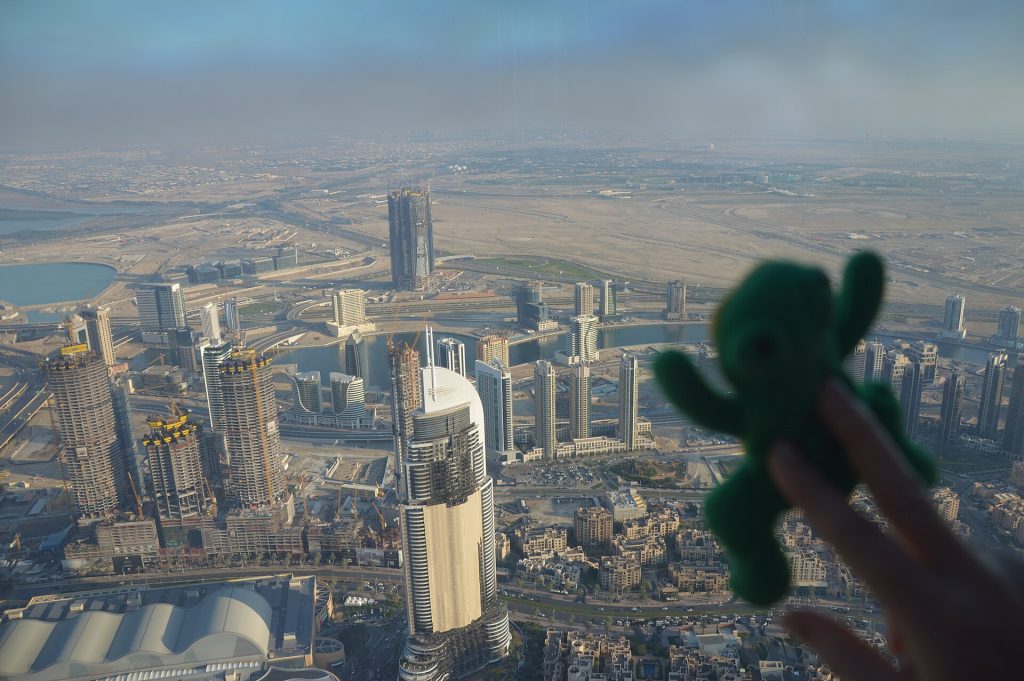
The city’s attraction status changes. For example, Visit Dubai currently lists the Museum of the Future as temporarily closed for redevelopment, so do not build an itinerary around a landmark without checking its official page. A reliable Dubai plan uses the Creek to understand the city’s maritime past and gives contemporary architecture its own time, with every stop verified before departure.
Dubai’s Creek route can be split over two mornings if heat or museum time make one day too dense. At Al Shindagha, pick exhibits that answer a question about trade, home life or scent instead of moving mechanically through every room. Use shaded breaks and maintain a clear transit plan. A city with a reputation for scale becomes easier to understand when one waterway provides the thread between places.
Cross the Creek as part of the story
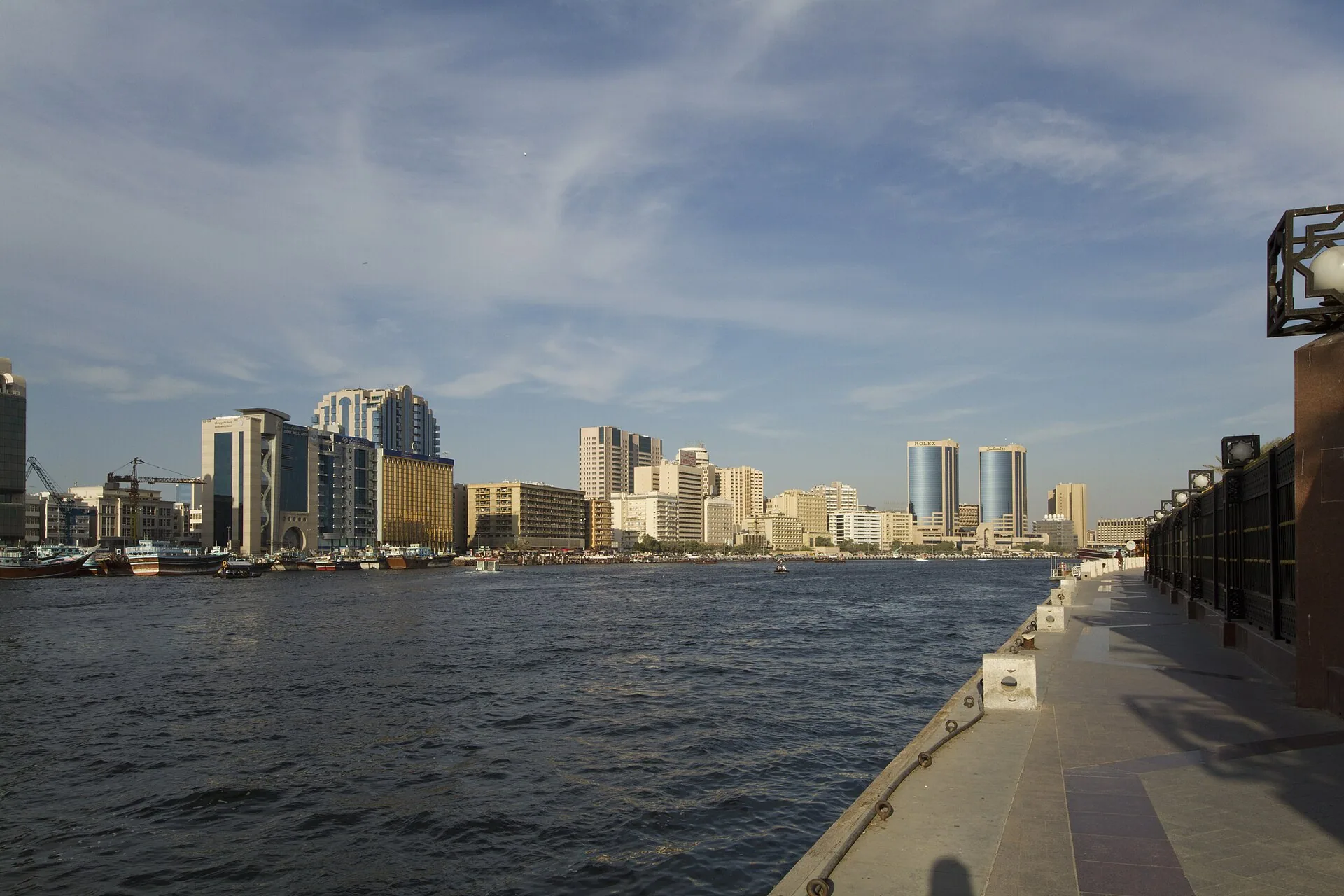
Dubai Creek is more than a scenic line between neighborhoods: Visit Dubai describes it as an early port and trading center. Start on one bank, cross by an operating abra service after checking the current route, then continue on foot through a heritage area or market. This makes the relationship between Deira and Bur Dubai easier to understand. In warm weather, use a morning or evening walk and plan an indoor break. Ask before photographing people at work; markets are functioning businesses, not staged exhibits. Official visitor information.
Choose a starting bank
A Deira start works well if you want to explore souqs before crossing; a Bur Dubai start can put heritage lanes and museums first. Either way, check current opening times for any indoor stop. The abra crossing is brief, but allow time to find the correct pier and understand the route. Carry a practical payment method and ask staff if uncertain. A compact walking loop on each side is more useful than a long, exposed march between unrelated attractions.
Travel with the neighborhood in mind
The Creek remains a working district. Keep market entrances clear, ask before photographing workers, and avoid treating a busy lane as a staged scene. In hot weather, favor morning or evening and plan shade or an indoor break. If you want a meal, choose a place within the route rather than returning to a distant hotel between stops. The day’s purpose is to understand trade and movement across the water, not merely to collect heritage façades.


The conversation
Join the discussion
Have a useful tip or a question about this journey? Share it with fellow readers. Please keep comments respectful and relevant.