
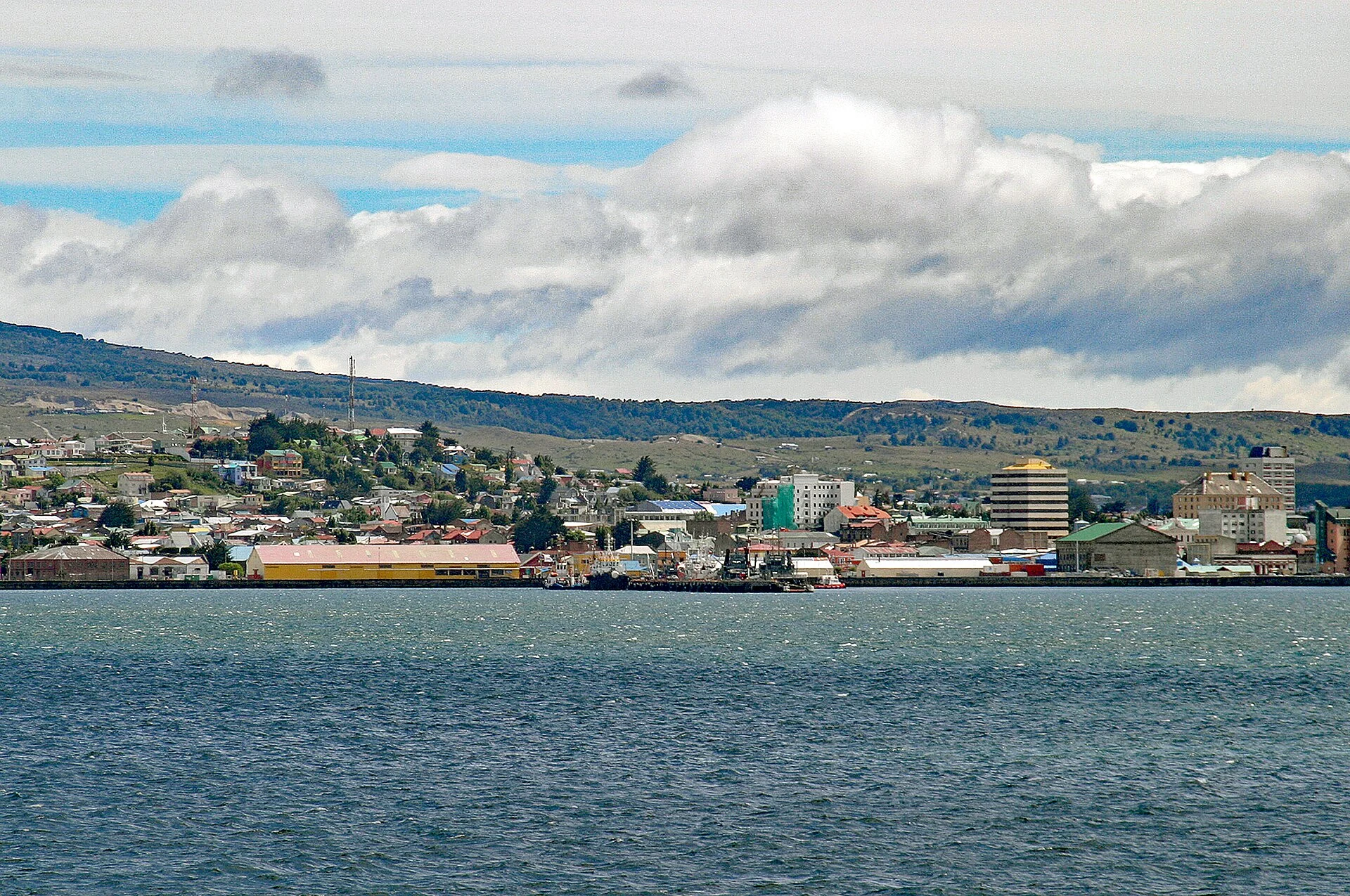
Punta Arenas sits beside the Strait of Magellan, a setting that makes the city more than a transit point for Patagonia. Its waterfront, museums and maritime history reward a day before any longer journey into the region. Begin with the city itself, then use it as a place to prepare.
Walk the strait-side city
Visit the waterfront in good weather, then choose a museum that addresses the area’s maritime and Indigenous histories. Read interpretation critically and seek accounts that include the peoples whose presence predates European exploration. The official Chile tourism guide offers regional orientation.
Wind is a defining travel condition. Carry a warm, windproof layer even when the temperature looks mild, and allow for weather changes on outdoor excursions. If considering a boat trip, ask about safety equipment, cancellation rules and wildlife-distance practices. Sightings cannot be guaranteed.
Use the city to plan onward travel
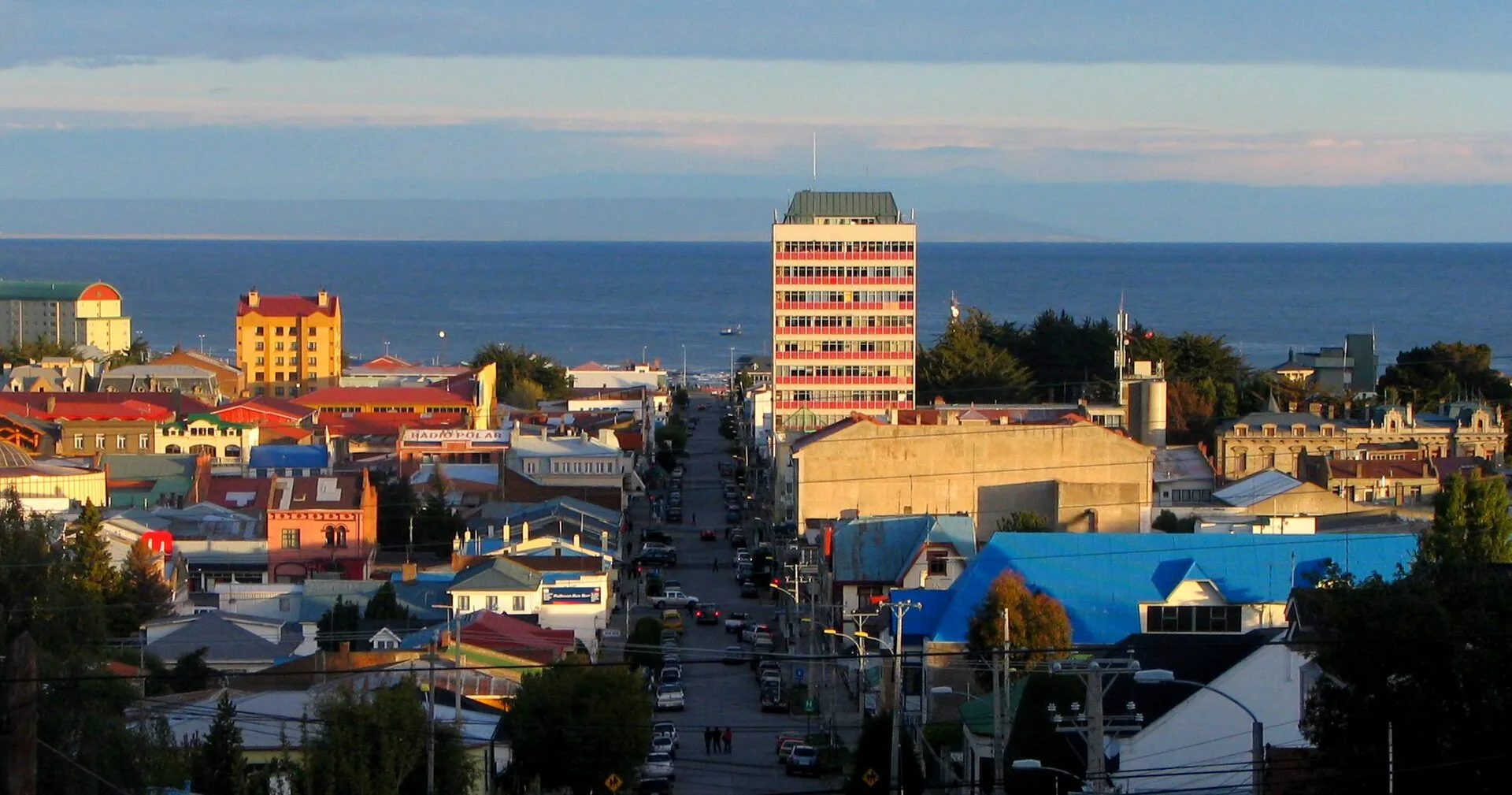
Distances in Patagonia are large. Confirm bus, ferry or flight schedules directly and build in time for disruption. A trip toward Torres del Paine or another remote area needs separate lodging, entry and weather planning; it is not a quick afternoon excursion from Punta Arenas. Check national park notices for trail access and safety.
Spend an evening with local food and a walk near the center rather than treating the city only as an airport stop. Punta Arenas provides valuable context for the landscape beyond it: a port shaped by migration, trade and extreme geography. Giving it a full day makes the wider Patagonian journey more grounded.
Give weather a vote
Outdoor plans around the strait depend on wind and visibility. Keep a museum or café as an alternative if a boat trip is canceled, and do not pressure an operator to depart in unsafe conditions. Wildlife viewing should follow distance rules; a responsible guide will explain why certain routes or approaches are off limits.
For a deeper stay, compare the city’s old port areas with contemporary cultural spaces. Ask where exhibits discuss Indigenous communities, migration and the region’s working maritime life. A destination at the edge of a map is not an empty frontier. Punta Arenas is a city of people who live with distance and weather every day.
Use the strait to understand the city
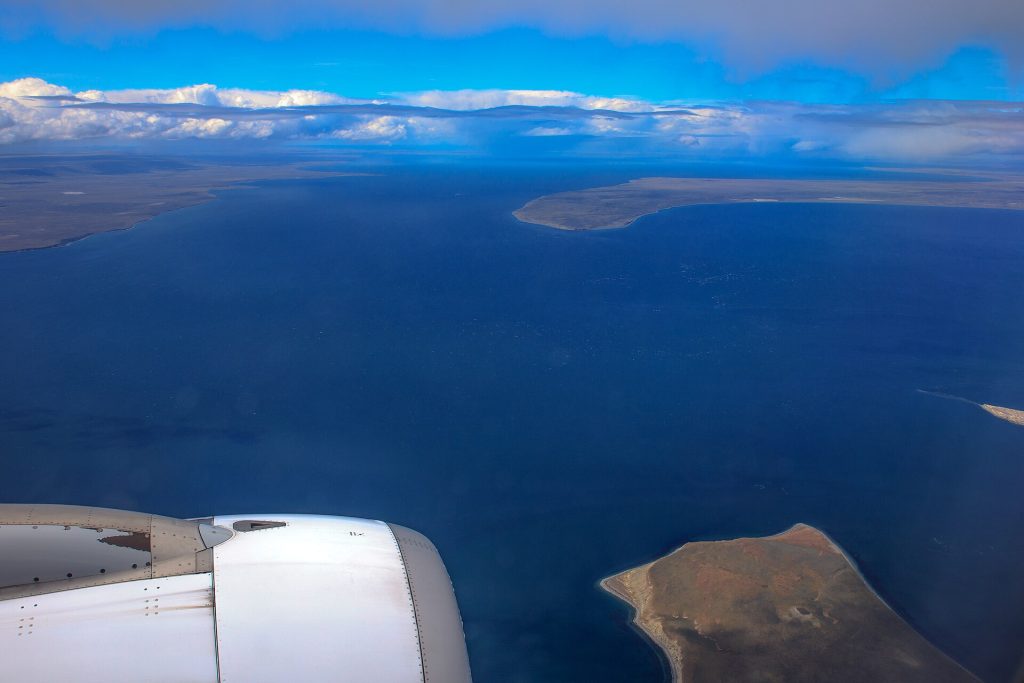
Punta Arenas faces the Strait of Magellan and has a port history that makes it more than a transit point. Chile Travel highlights the city’s museums, viewpoints and maritime connections. Begin with a waterfront walk and a museum chosen for your interests, then compare the story told indoors with the working waterfront outside. A local guide can add the region’s Indigenous histories and later settlement to a route that otherwise risks becoming only a photograph of the strait.
Separate city time from wildlife excursions
Boat trips toward penguin or marine wildlife areas require more planning than an ordinary city walk. Ask an operator about season, sailing duration, weather cancellation terms, landing rules and how wildlife distance is managed. Do not assume an animal encounter is guaranteed or that every island is open for landing. A short visit may be better spent on Punta Arenas itself than on a tightly timed excursion before an onward bus or flight. If you do book a boat, keep the next connection flexible.
Prepare for Patagonia’s changing conditions
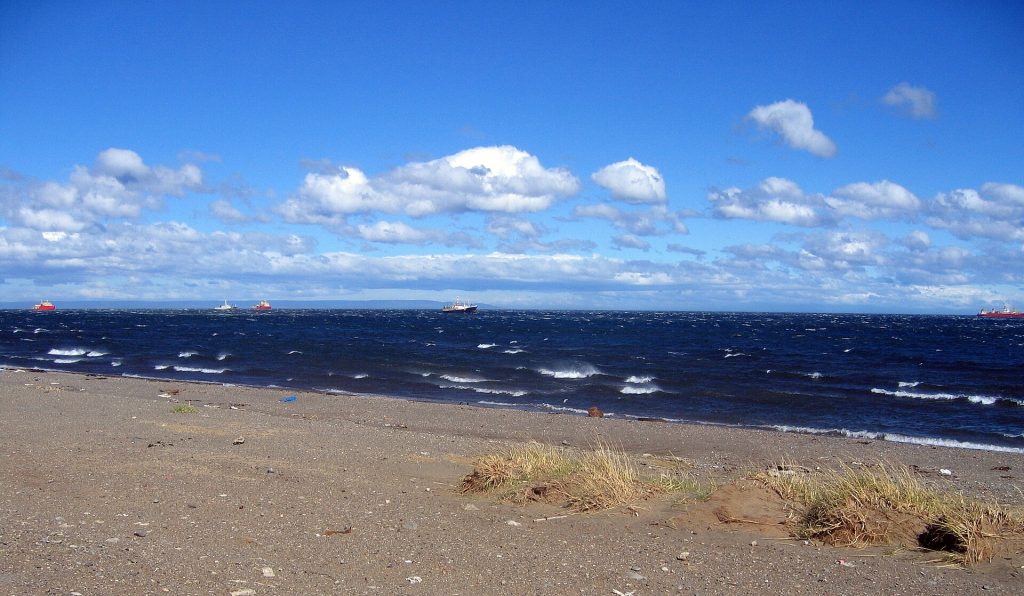
Wind and sudden weather shifts affect clothing, walking comfort and boat plans. Carry layers and ask for current road or marine conditions before heading farther into the region. If Punta Arenas is your gateway to Puerto Natales or another destination, compare actual departure points and transfer times, not just the distance on a map. An overnight stop can be useful when arriving late. The city rewards a full day: it provides context for the sea routes and landscapes that follow.



The conversation
Join the discussion
Have a useful tip or a question about this journey? Share it with fellow readers. Please keep comments respectful and relevant.