
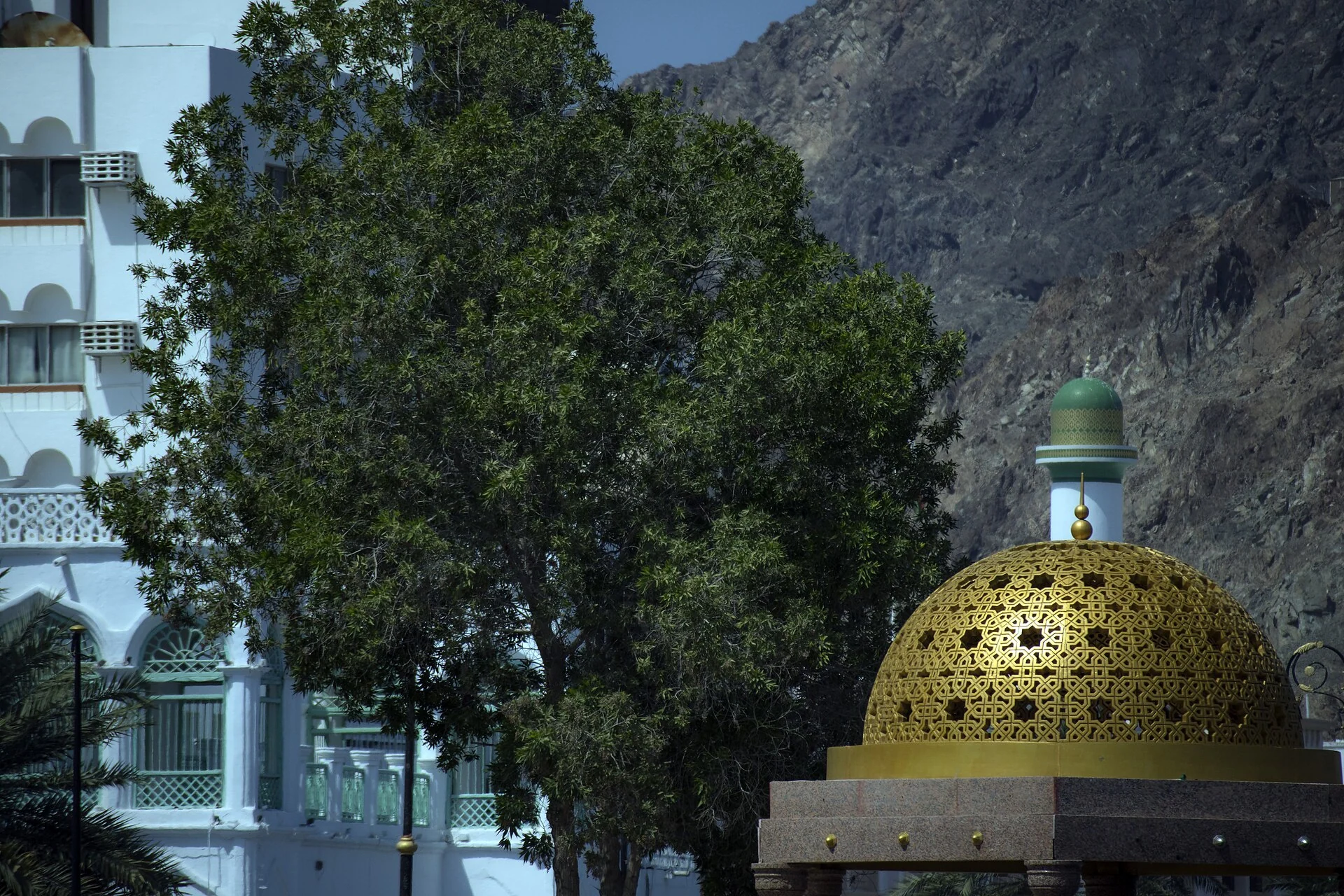
Begin at the old harbour
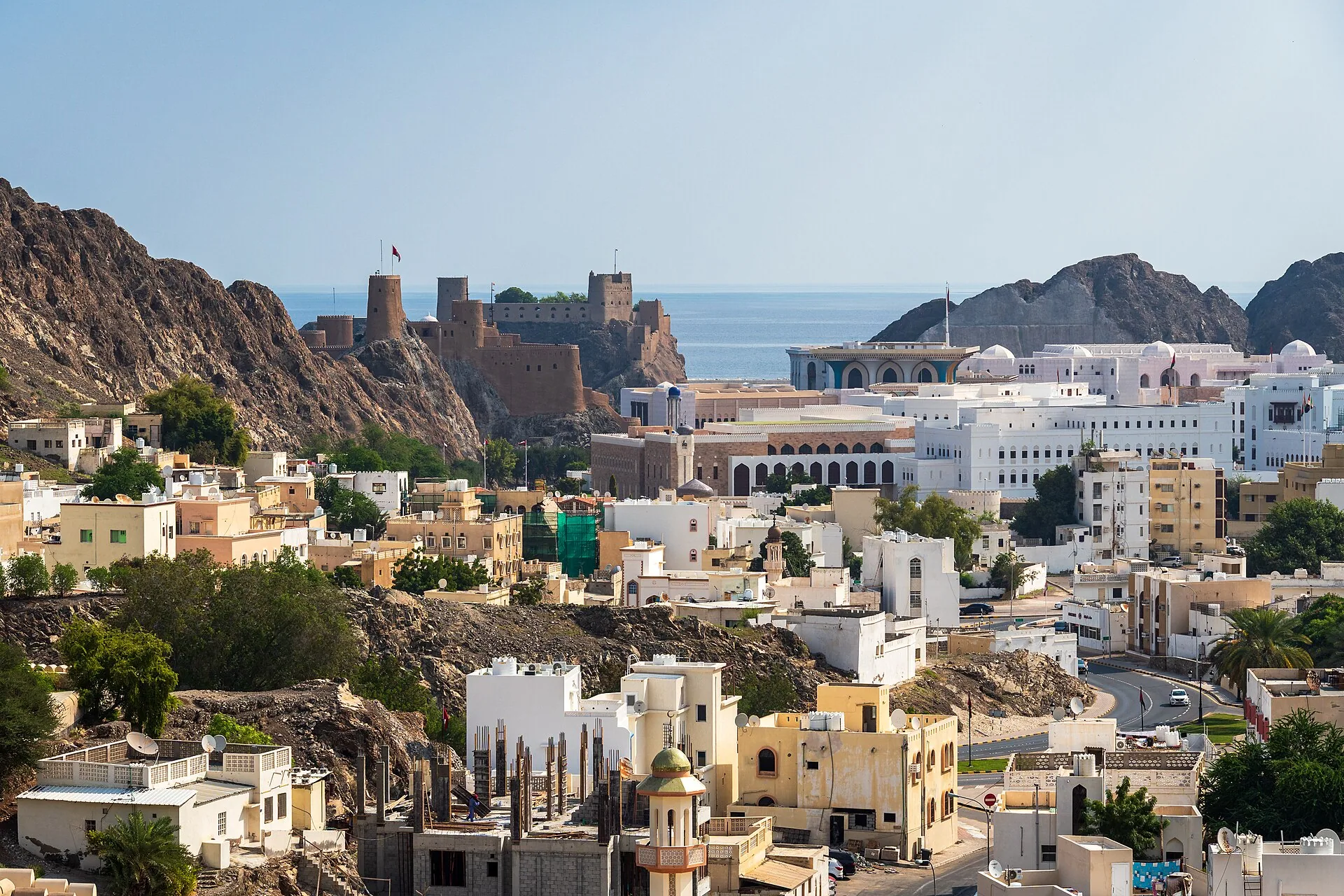
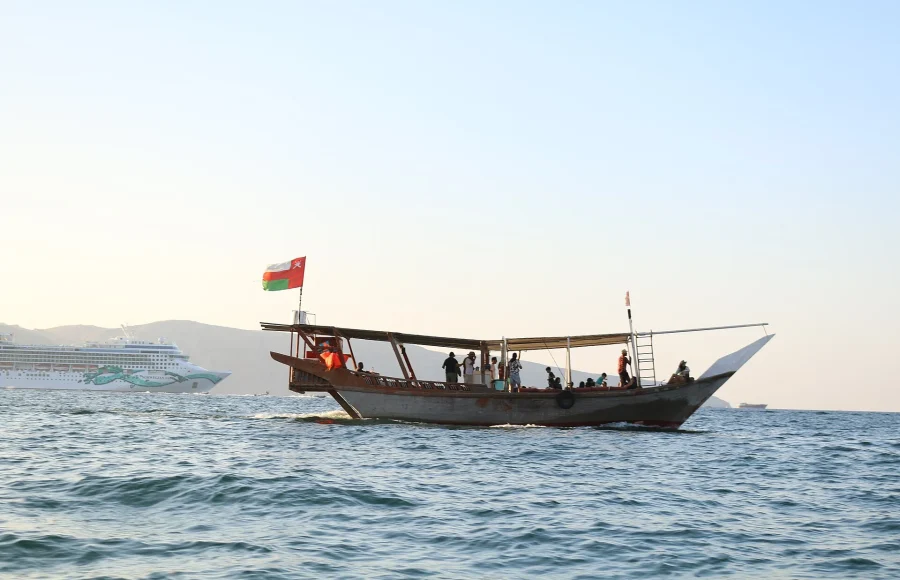
Muscat’s historic relationship with the sea is visible around Muttrah, where a waterfront promenade, market and fort sit close together. Experience Oman lists Muttrah Souq and the fort among the city’s attractions. Walk the Corniche when temperatures are comfortable, then spend time in the souq without assuming every stall is aimed at visitors. Ask before photographing traders and compare goods with care.
The fort and harbour provide a way to think about the city’s maritime history. Check current access and steps before climbing; viewpoints should fit your mobility and the day’s heat.
Make culture a second stop
Muscat also has the National Museum and Royal Opera House, both identified by the official tourism site. Choose one substantial indoor visit rather than rushing between them. Performances and special exhibitions require current schedule checks. A museum afternoon can be a useful counterweight to an outdoor morning, especially in warmer months.
The Sultan Qaboos Grand Mosque welcomes visitors under specific conditions, including modest dress and limited visiting periods. Confirm the official rules just before going, cover appropriately and remember that the building is a working place of worship. A guided explanation can make architecture and religious context clearer.
Plan movement between quarters
Muscat’s attractions are spread across several areas, so a car or arranged driver is useful for a day with multiple stops. Allow time for traffic and a relaxed meal. For a first visit, a harbour morning and one major cultural site may be enough; the mosque can take a separate morning. The city becomes more coherent when seen as connected coastal neighbourhoods rather than a checklist of buildings.
The souq is most interesting when you slow down enough to distinguish everyday goods from souvenirs. Ask a seller about an item only if you are ready for a conversation, and handle wares with care. For the mosque, bring clothing that meets the rules rather than relying on borrowed coverings. A short cultural visit is more satisfying than arriving at a closed door because an online schedule was not checked.
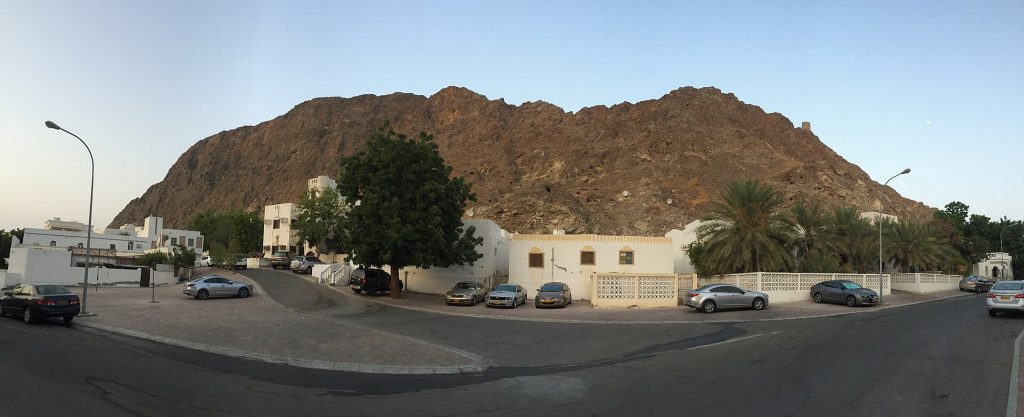
Set the mosque visit before the souq walk
Muscat’s mosque and market invite different kinds of attention. Check the Sultan Qaboos Grand Mosque’s current visitor access and dress requirements through Experience Oman before building the rest of the day. Then give Mutrah its own unhurried block. Browse respectfully, ask before photographing shopkeepers, and agree on any purchase calmly. The waterfront provides a useful break between cultural stops. Road distances in Muscat can be longer than a map suggests, so choose one museum rather than several scattered short visits. Official visitor information.
Choose a sensible route through the city
Muscat’s main cultural stops are spread across a broad urban area. Group mosque, museum, and Mutrah visits by transport time, not by the order they appear in a guidebook. A driver or taxi plan can save unnecessary backtracking, while the waterfront is best enjoyed on foot. If you are visiting in warmer months, keep the outdoor souq and harbor walk for more comfortable hours. Check current fort or museum entry before setting out.
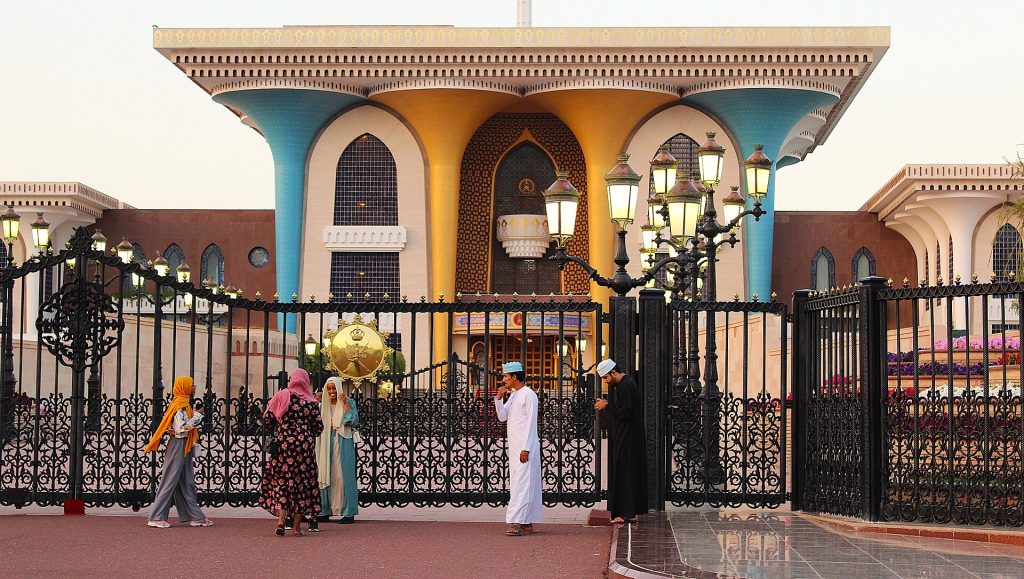
Respect the working harbor neighborhood
Mutrah Souq is an active place of trade. Ask before photographing people, keep access to shops clear, and approach bargaining with courtesy. A short stop at the waterfront helps connect the market to the maritime history of the area. At the mosque, follow visitor dress and conduct rules, and remember that access can vary around prayer or special occasions. A modest, well-paced route reveals more than a frantic attempt to reach every landmark.





The conversation
Join the discussion
Have a useful tip or a question about this journey? Share it with fellow readers. Please keep comments respectful and relevant.