
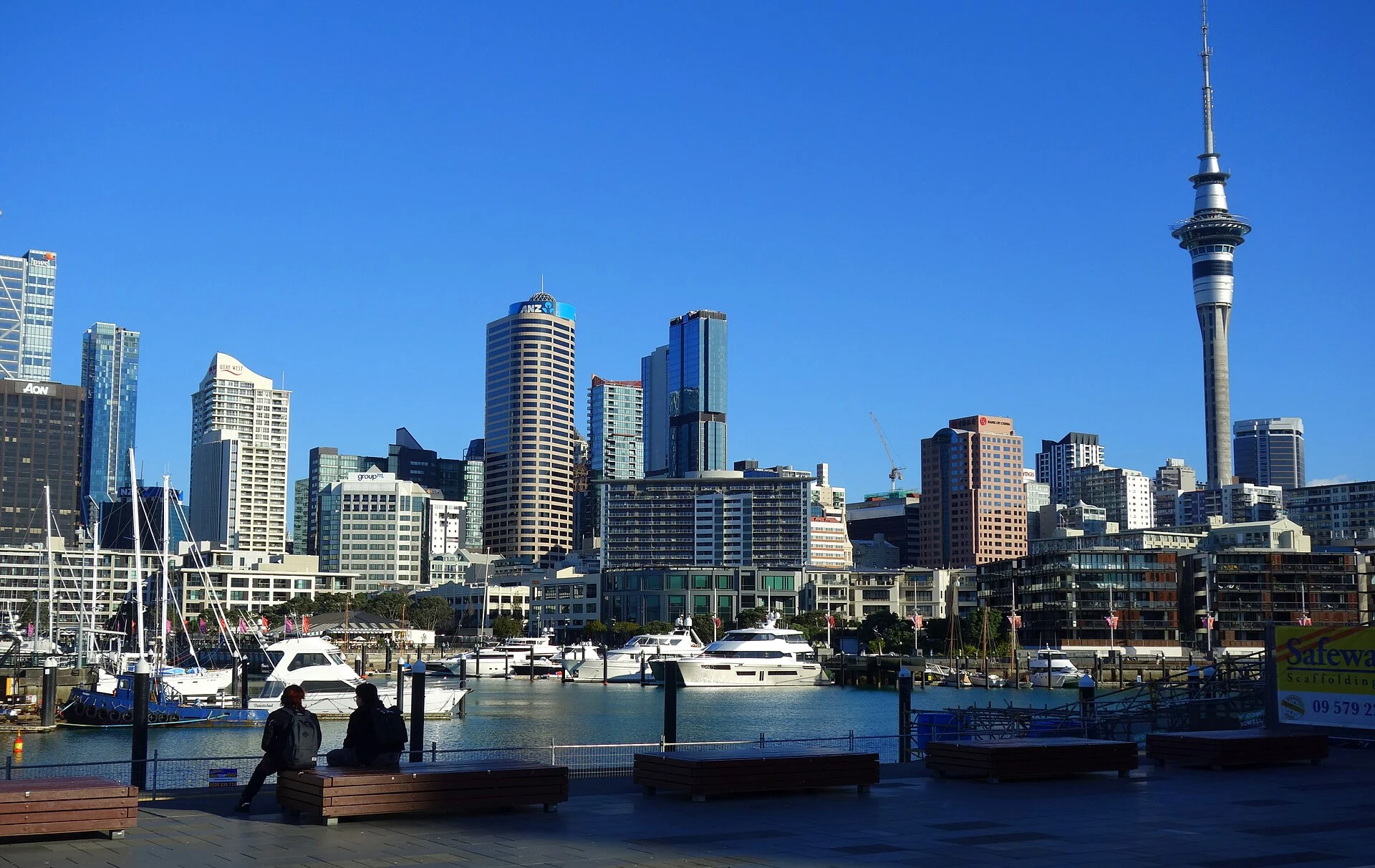
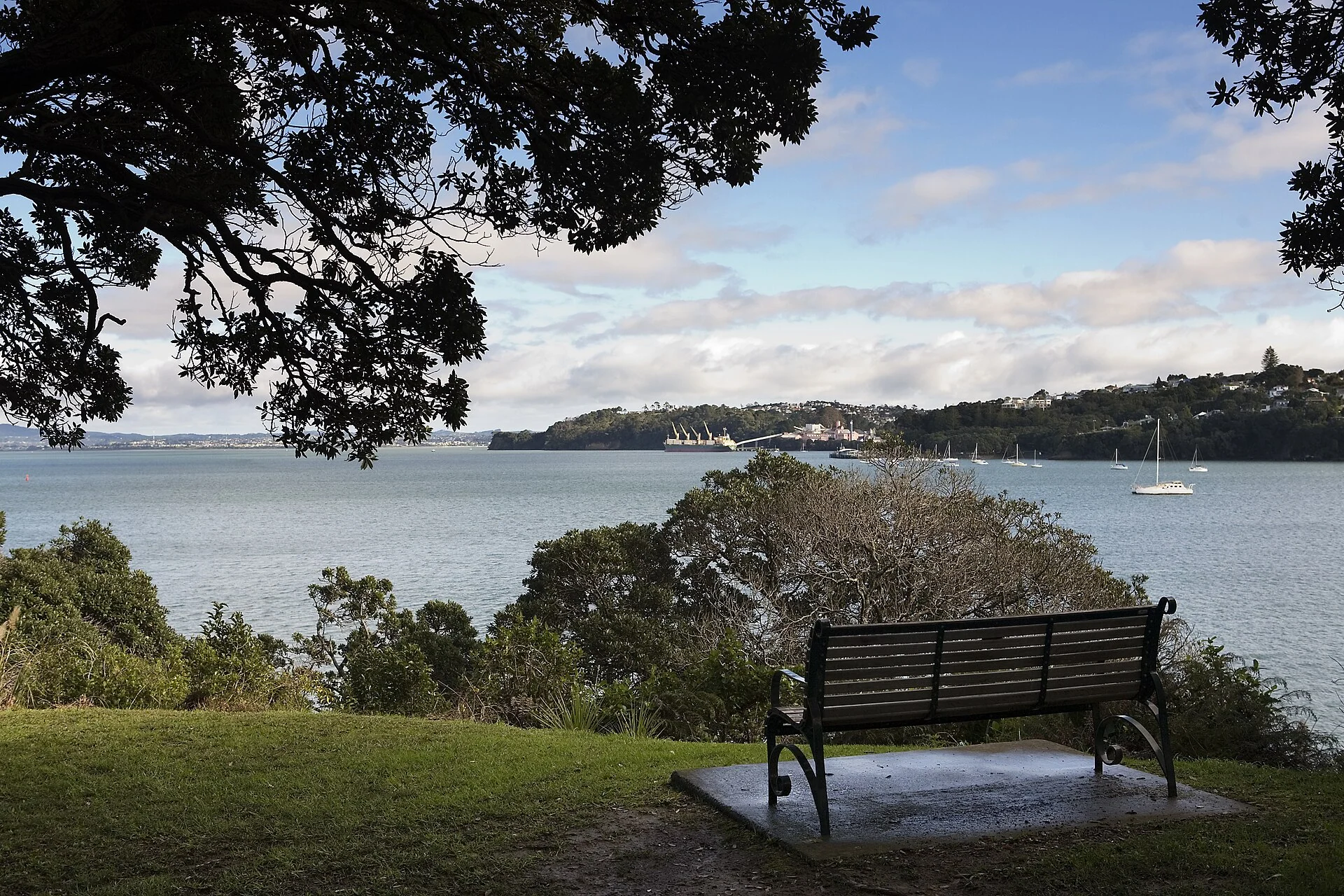
Auckland’s relationship with water is central to the visit. Start on the downtown waterfront, then choose a separate ferry or coastal day. This keeps the city’s neighborhoods visible instead of turning the trip into a series of distant viewpoints.
Walk the urban edge
The official waterfront guide can help orient a first walk. Watch working boats and public spaces, then continue into a nearby cultural institution or neighborhood for lunch. Seek interpretation of Māori history and ongoing connections to the harbor. A city is more than its skyline, and the waterfront has stories of trade, migration and recreation.
Choose an excursion
On another day, use a ferry to reach an island or pick a coastal route listed by the regional visitor bureau. Check exact sailing times, trail status and weather before leaving. Carry water and a layer; conditions can change on the water. If walking, stay on marked paths and follow conservation rules, particularly around nesting birds.
Different excursions require different levels of fitness and time. Do not assume a ferry return will be frequent late in the day. If you have only one afternoon, a shorter waterfront walk may be a better choice than a rushed island crossing.
Auckland is spread across hills and harbors, so group daily activities geographically. A well-planned urban day, followed by one unrushed journey on the water, gives a clearer sense of the city’s setting and its everyday life.
Travel beyond the postcard
Auckland’s museums, markets and local performances can add context to its water views. Seek material developed with mana whenua and other Māori voices, and follow any requests around photographing cultural objects. The city’s communities are diverse; a neighborhood meal can introduce a different part of Auckland from the downtown waterfront.
If choosing an island day, consider biosecurity instructions for footwear and bags before boarding. Small islands can have sensitive ecosystems, and visitors may need to clean gear or keep to marked tracks. Book the ferry early for peak periods, but keep a weather alternative in the city. A slower stay makes both the urban harbor and the wider gulf easier to appreciate.
Use the harbour as your map
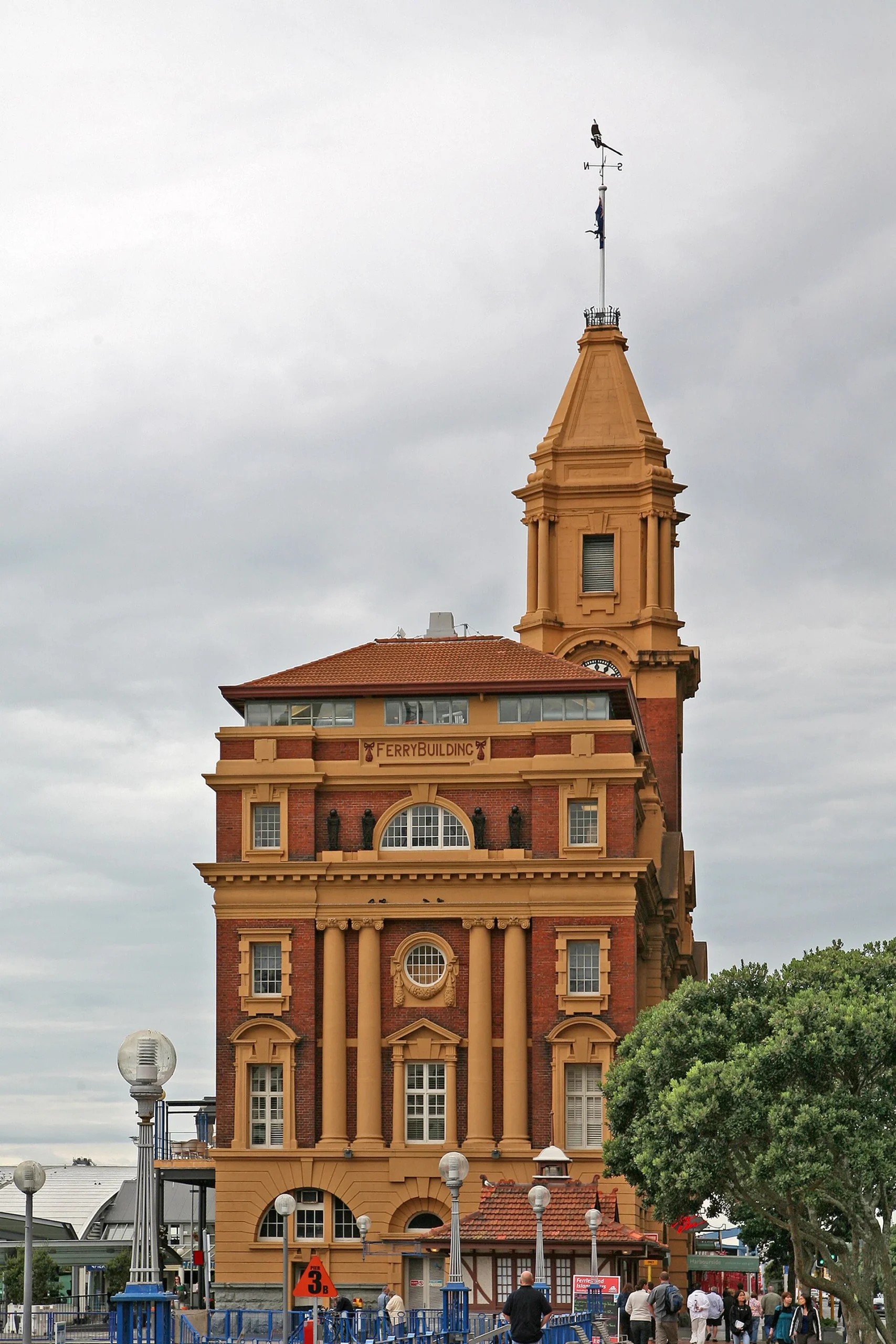
Auckland makes more sense when you start at the water. The downtown ferry terminal sits close to the city centre, and the crossings give you a quick reading of the geography: the Waitematā Harbour, the north shore, and the islands of the Hauraki Gulf all come into view as parts of one city. Before choosing a destination, look at the return service and the conditions on the water. A ferry is both public transport and an outing, but it still runs to a timetable.
A short crossing to Devonport suits a day that already includes museums or city walking. Waiheke asks for more time: the island has its own roads, beaches and communities, so arriving at Mātiatia is only the start of the visit. If you have one spare afternoon, choose one crossing rather than trying to collect several islands.
Devonport or Waiheke: pick a pace
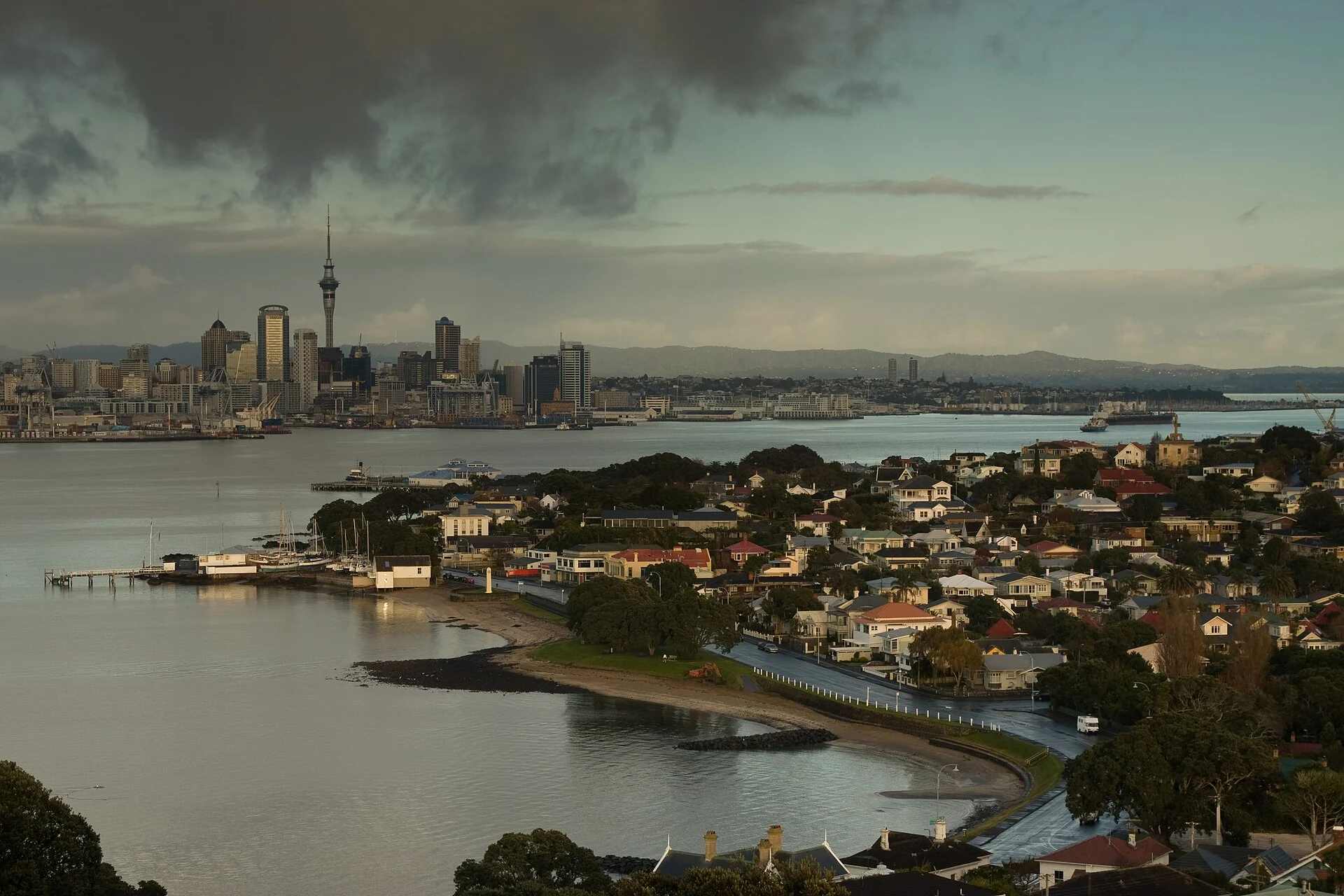
Devonport is a compact change of perspective. After the ferry, walk the waterfront and look back at the skyline before deciding whether to continue toward the village streets or a viewpoint. Leave time for the return crossing; watching the city lights arrive across the water is often more memorable than rushing to another attraction.
Waiheke works differently. Plan around one area and the transport available from the ferry, especially if you are travelling without a car. A coastal walk, a beach stop and a long meal make a coherent day. Trying to fit every part of the island into a short visit usually means spending more time in transit than outdoors. Check the current ferry operator and ticket rules before departure: Auckland Transport notes that services and payment methods differ by route and operator.
Give the island its own day
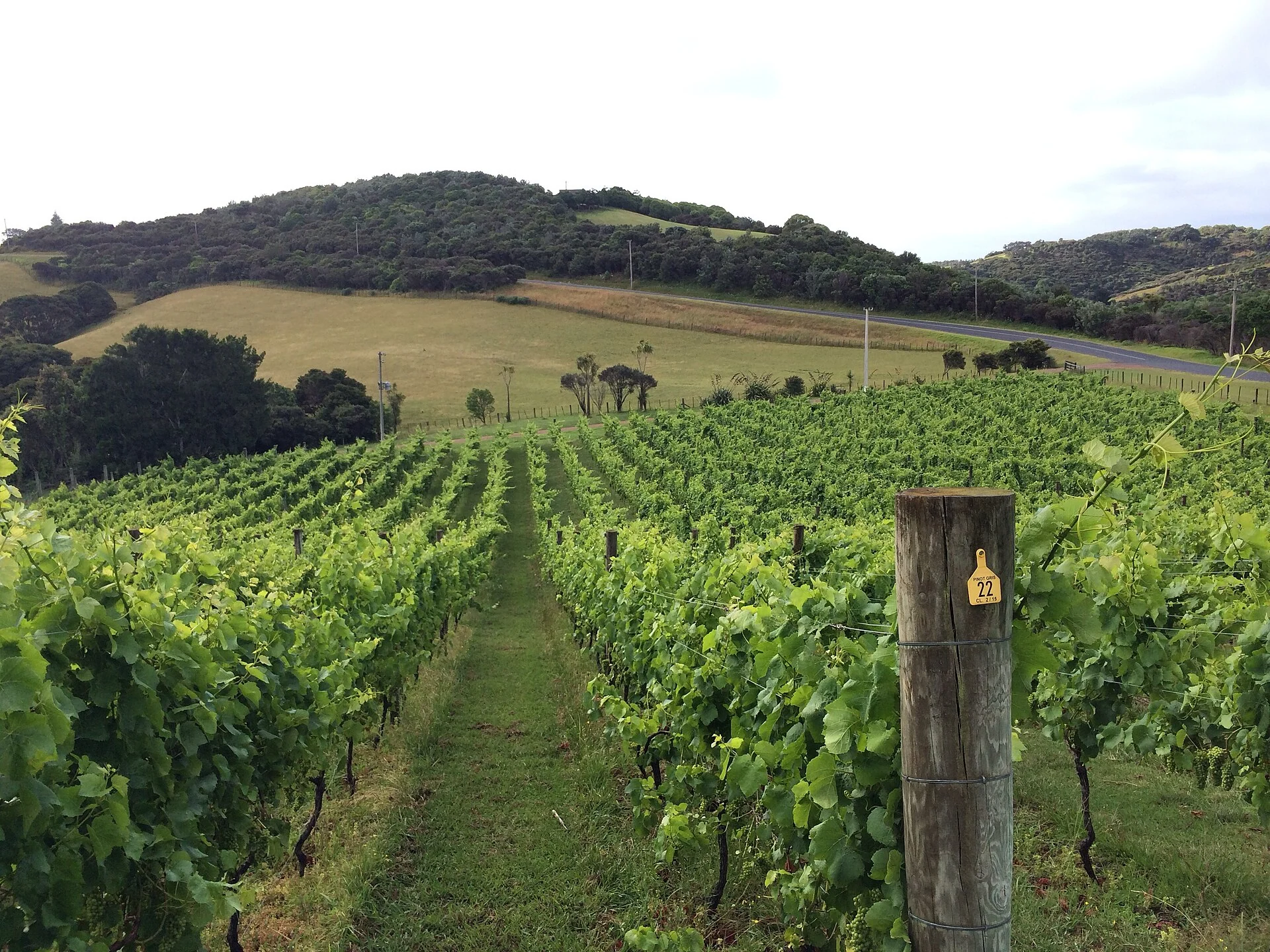
The ferry to Waiheke is a useful reminder that Auckland is also a collection of island experiences. Consider what you want from the day before booking: a quiet beach, a walk, a meal, or a vineyard visit. Each choice changes where to get off a bus or arrange a ride. Keep the final ferry in mind and leave a buffer for the journey back to the wharf.
If the weather turns, swap the island day with a city day rather than forcing a crossing. Auckland Transport publishes current ferry status and timetables, which matter more than a schedule copied into an old travel article. A flexible plan is especially valuable when wind affects the harbour.
A simple two-day route
On day one, stay around the central waterfront. Walk between the ferry building and neighbouring streets, pause in a gallery or museum, then take the Devonport ferry if visibility is good. Treat the crossing as part of the experience and return when the light changes. On day two, choose Waiheke or another single excursion, with an unhurried afternoon and a clear return plan.
That sequence is deliberately modest. It leaves room for weather, meals and the unexpected view that makes you stop. If you have less than two days, keep the central waterfront and one ferry. Auckland is easier to enjoy when its harbours are the organising idea rather than a checklist of distant attractions.
Before you buy a ferry ticket
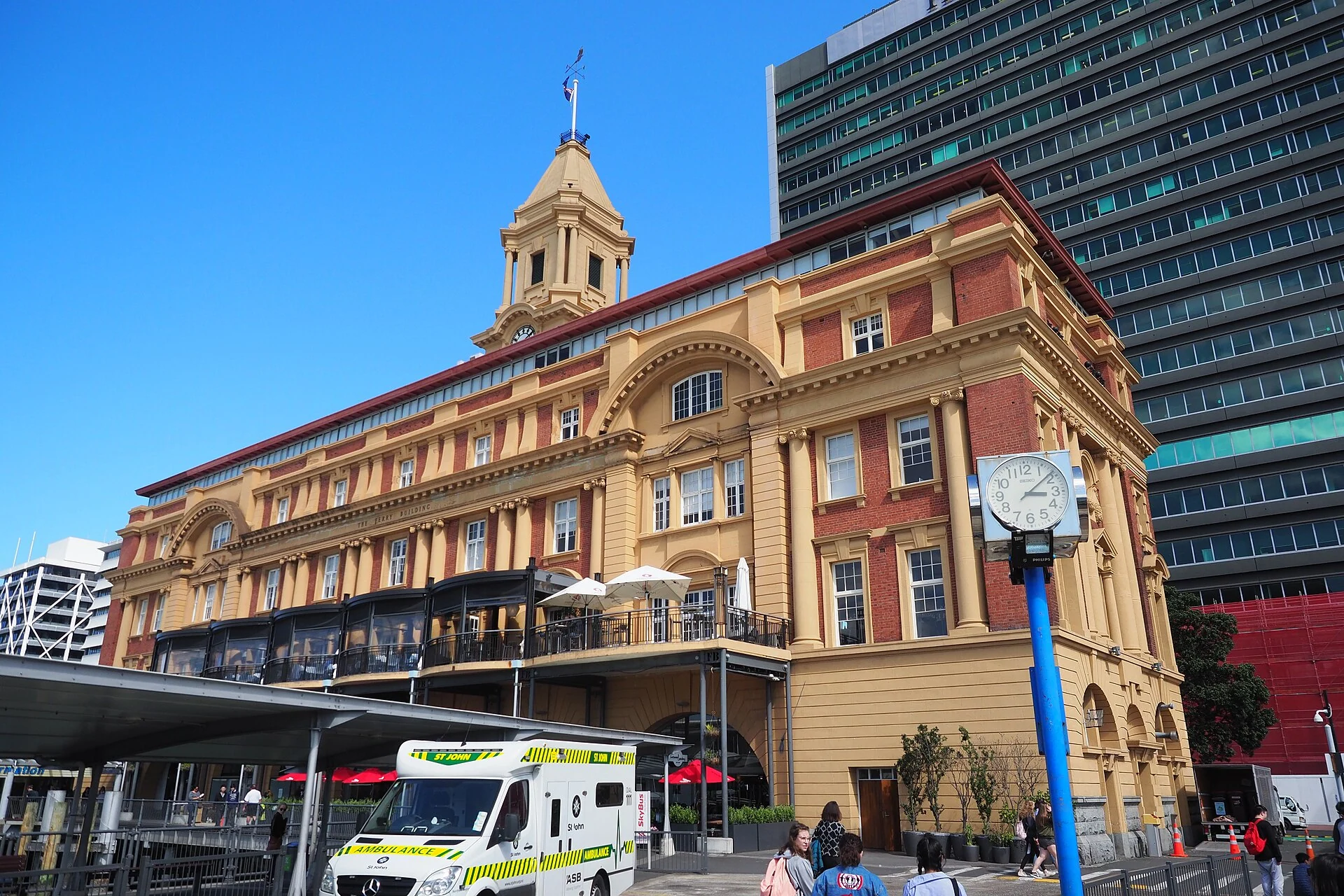
Check the operator named on the sailing you want rather than assuming every boat uses the same ticket. Auckland Transport explains that payment options vary by route and that some Waiheke sailings are commercial services. Buy or validate the right ticket before boarding, then verify the pier and return trip. If you are connecting to another activity, leave a cushion rather than booking a tight transfer.
Travel with a small day bag and a layer for changing weather on deck. Look at the ferry status before leaving your accommodation and again before the return crossing. The best harbour day is one that can change shape without becoming a logistical puzzle.
What to leave out
Skip the urge to combine a museum, a long island visit, a distant neighbourhood and a sunset lookout in one day. Those are four different versions of Auckland. Pick one anchor and one supporting stop, then let the journey between them count. A public ferry gives a view that a taxi cannot; a neighbourhood walk gives details that a panorama cannot.
This approach also keeps the trip more resilient. If visibility is poor, spend longer with indoor culture and move the crossing. If the day is clear, stay outside and save a museum for another visit. You will remember a coherent day better than a completed list.


The conversation
Join the discussion
Have a useful tip or a question about this journey? Share it with fellow readers. Please keep comments respectful and relevant.