
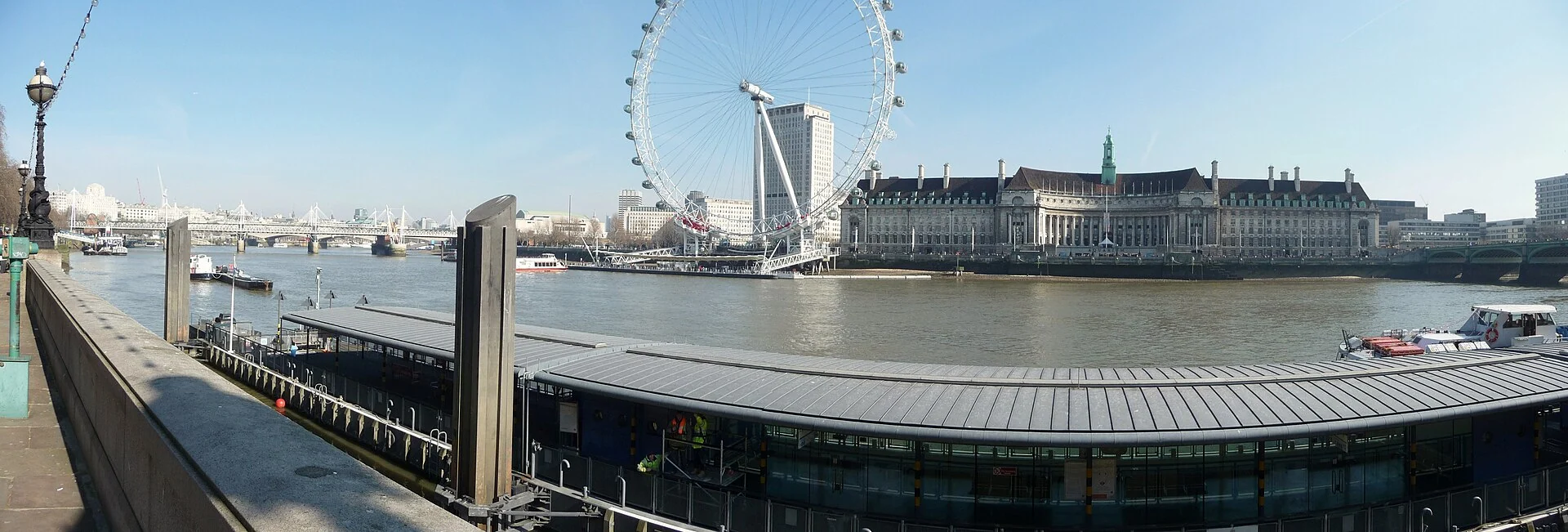
London can feel impossibly large if every famous sight becomes a separate journey. The solution is to plan by area. A morning around Westminster can flow into a walk along the Thames; a museum visit in South Kensington can be paired with a nearby park. London’s official visitor guide covers attractions, theater, neighborhoods, and practical planning, but the most useful first decision is how many parts of the city you can enjoy in one day without spending all your time in transit.
Pair an anchor with its surroundings
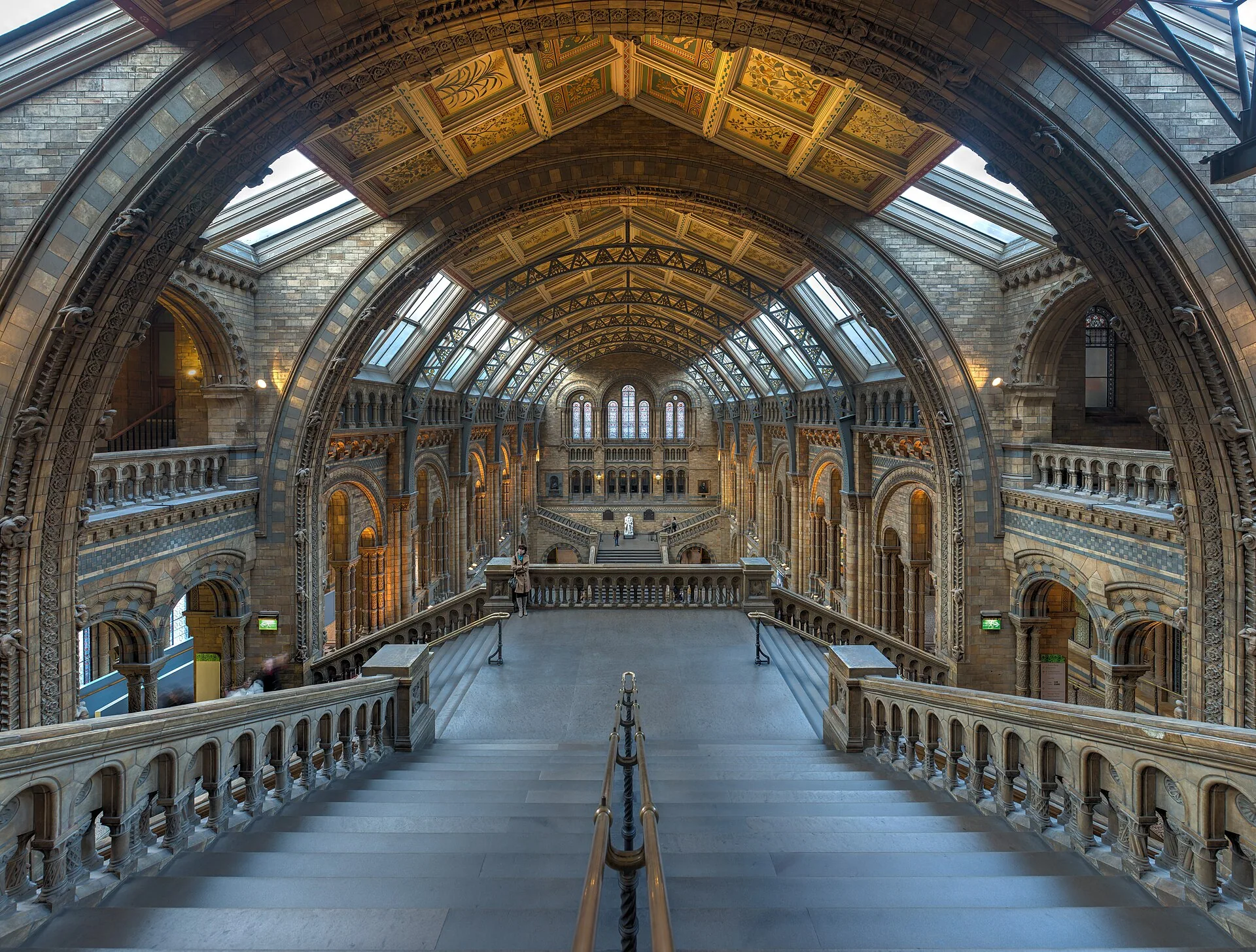
Choose one major attraction or museum each day, then explore the streets around it. Near the Thames, bridges and embankments make the geography easier to understand. Around a museum district, a café, market, or green space gives a different texture to the day. The city has many free-to-enter collections, but special exhibitions and particular sites may require booking; verify details with the venue rather than relying on an old guide.
Use transport strategically
The Underground is invaluable for long distances, yet the walk between two nearby stations may reveal more than another short ride. Check current routes and accessibility if stairs or long platform transfers matter to you. Keep an eye on how long a cross-city journey will really take at peak periods. A well-located base saves time, but an outer neighborhood with good connections can also work if it matches your budget and preferred atmosphere.
Leave an evening open
London’s theater, music, and food scenes are reasons to slow down after sightseeing. Book a performance that interests you and plan dinner nearby, allowing for travel time. If you prefer a quiet evening, a river walk or neighborhood restaurant can be just as satisfying. Weather can change quickly, so bring a light waterproof layer and keep one flexible indoor option in reserve.
For current visitor guidance, consult Visit London. You do not need to see the entire city on a first trip. A handful of areas explored well will give you a stronger sense of London than a long sequence of rushed crossings.
If your group has different interests, plan a meeting point and separate for a few hours. London’s transport network makes independent museum, shopping, or park visits practical, and everyone brings a new story to dinner.

Budget your travel time, not just your ticket cost
London’s map can make two sights appear close when the journey between them takes a substantial part of the day. Choose one anchor per area, then use nearby streets, a park or a market to fill the rest of the visit. Check a venue’s official page for timed entry, accessibility and exhibition charges; general admission and special shows may have different rules. Visit London can help group experiences by area. A day that combines a single museum with a nearby walk is often more satisfying than crossing the city repeatedly for brief stops.
Choose a base by journeys
A room rate is only part of the accommodation decision. Map the journeys you expect to make each day and check the nearest rail or Underground connections. A cheaper room can cost time if every outing begins with a long transfer. If stairs or long station corridors are difficult, review accessible-route information before booking. London works well when one area is explored thoroughly rather than used as a staging point for constant cross-city travel.

Leave a weather alternative
Keep a nearby indoor option for a rainy afternoon, but do not reserve every hour. A park, riverside path, or market may become the best part of the day when the weather cooperates. Check museum or theater rules on their own sites, particularly for special exhibitions and evening performances. Group dinner near the evening venue so the final journey does not become another commute.








The conversation
Join the discussion
Have a useful tip or a question about this journey? Share it with fellow readers. Please keep comments respectful and relevant.