
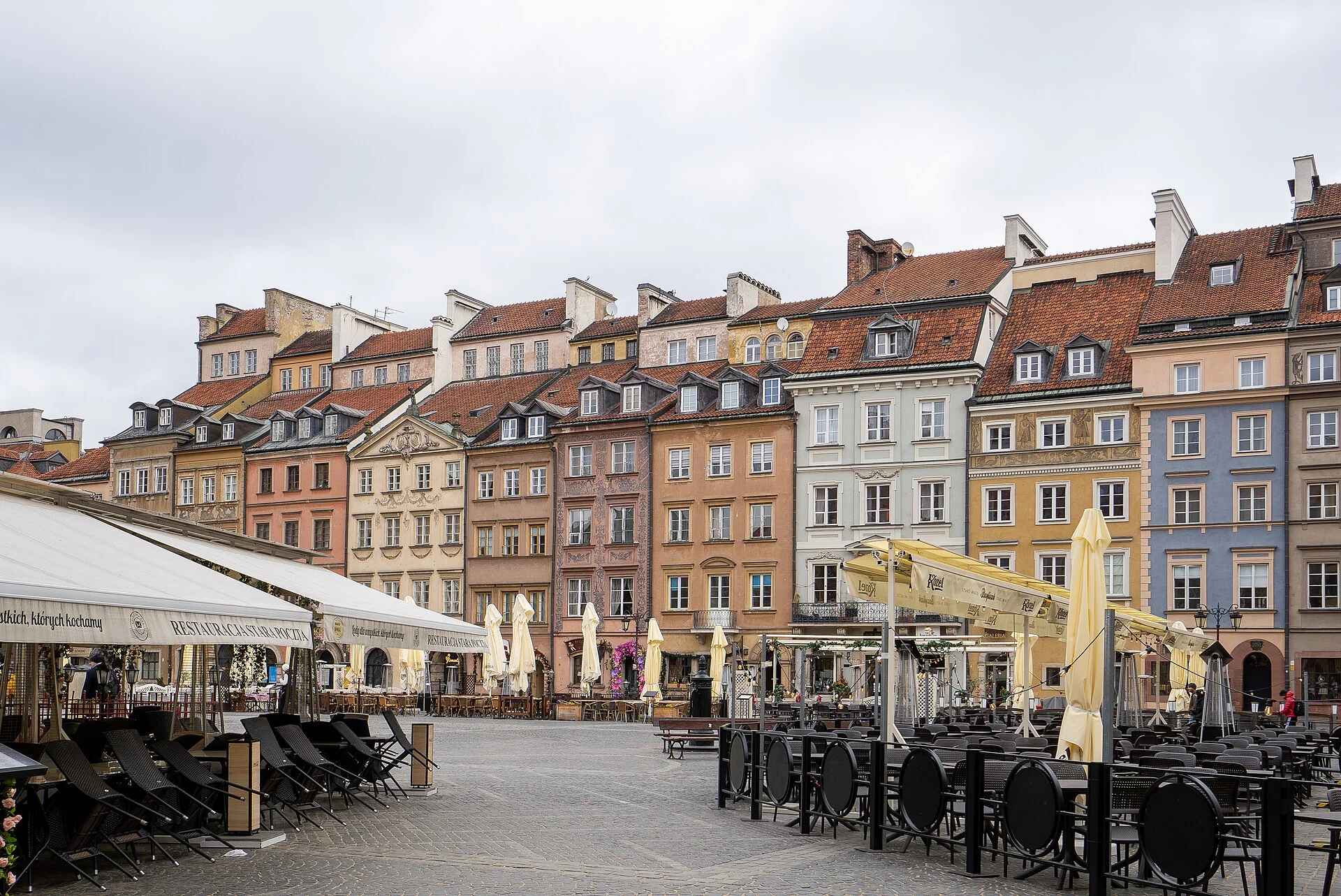
Warsaw’s Old Town looks older than much of its stonework. That observation is the beginning of its story, not a reason to dismiss it. UNESCO records that more than 85 percent of the historic center was destroyed during the Warsaw Uprising in 1944. Citizens then undertook an extraordinary reconstruction, rebuilding streets, churches, palaces, and the market square. A visit gains depth when you see the restored streets as a public decision to recover a city’s identity.
Walk the center with that history in mind
Begin around Castle Square, then move through the Old Town Market Square and its smaller surrounding lanes. Look for differences in façades, paving, and scale rather than rushing from landmark to landmark. The reconstructed center is a coherent place to walk, but it is also a carefully assembled account of Warsaw’s past. Read a little about the rebuilding before you arrive, or join a history-focused tour if you want the details explained on site.
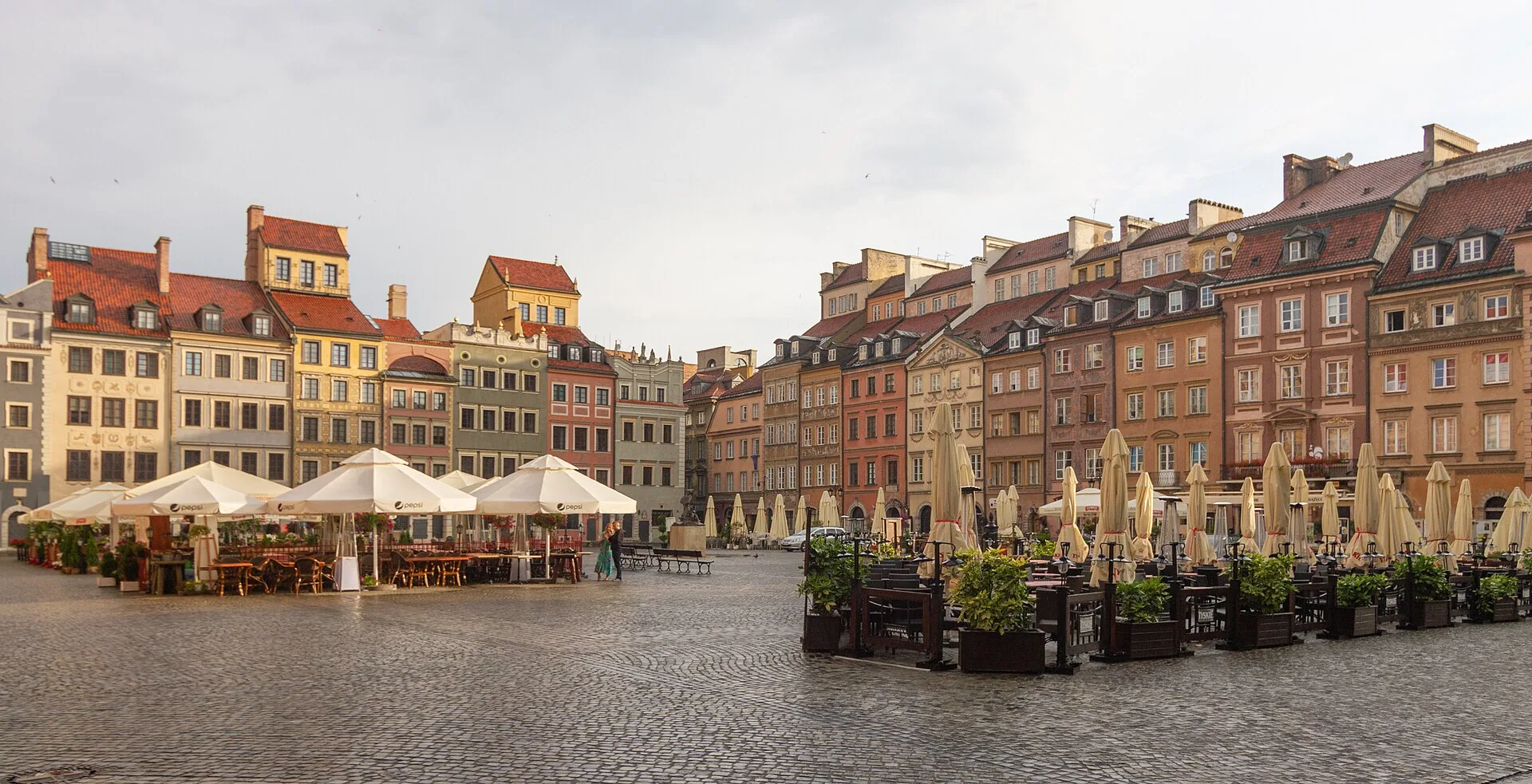
Continue into the wider city
Do not let the Old Town stand in for all of Warsaw. The capital has layers that call for separate attention: museums addressing wartime history, broad nineteenth-century streets, postwar architecture, parks, and the Vistula riverfront. Choose one museum that matches your interests and allow enough time to absorb it. Trying to fit several emotionally demanding exhibitions into a single afternoon rarely does them justice. A river walk afterward provides space to reflect and to see how people use the city today.
Plan a visit with balance
A first day can combine the Old Town with a nearby museum or a walk along the Royal Route. Use a second day for districts beyond the historic core. Warsaw is spread out, so grouping stops geographically makes more sense than following a long list of attractions in rank order. Public transport can bridge the larger distances; check official local information for current routes and tickets.
UNESCO’s Historic Centre of Warsaw entry is a useful starting point for the reconstruction story. Let that account shape what you notice, then leave time to encounter the contemporary city on its own terms.
For first-time visitors, a saved map helps connect the compact Old Town with newer districts. Notice places that tell different chapters of the city’s history, then consider what rebuilding preserves and what it changes.
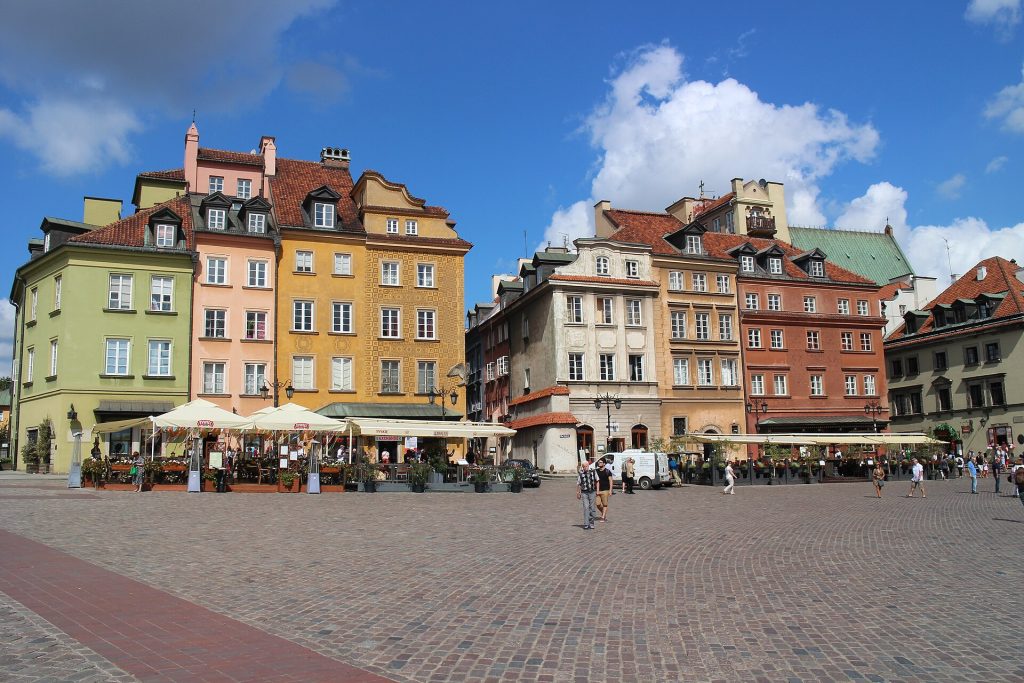
Ask what was rebuilt, and why
Set aside time to compare the restored Old Town streets with the city beyond them. The Old Town is valuable precisely because Warsaw’s residents reconstructed it after wartime destruction; UNESCO calls it an outstanding example of near-total reconstruction. Visit the market square first, then follow a route outward so the shift in buildings becomes visible. If you want to explore the subject in depth, choose one history museum rather than stacking several demanding visits into a day. Read UNESCO’s account before walking; it changes the questions you ask of the streets.
Choose a history focus
Warsaw has several museums that address different chapters of the twentieth century. Select one according to the questions you want answered and allow time afterward to process it. The Old Town itself is an outdoor introduction to reconstruction, while other districts show how the city continued to change after the rebuilding. Reading a museum’s current exhibition description before booking helps you avoid repeating the same narrative in several venues.
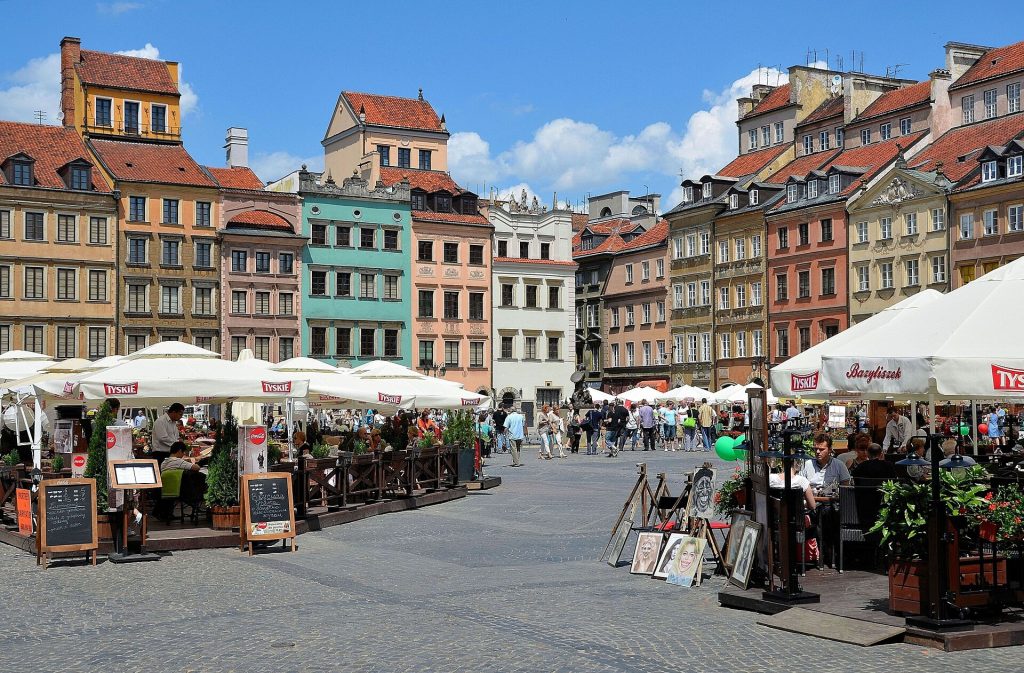
Leave the restored center
After exploring the market square, follow a route toward newer streets or the river to see the city’s varied scale. A day that stays only inside the Old Town can give the misleading impression that Warsaw is mainly a preserved medieval capital. Use public transport for longer distances, but walk one transition between districts. The difference in streetscape is itself part of the story you came to understand.



The conversation
Join the discussion
Have a useful tip or a question about this journey? Share it with fellow readers. Please keep comments respectful and relevant.