
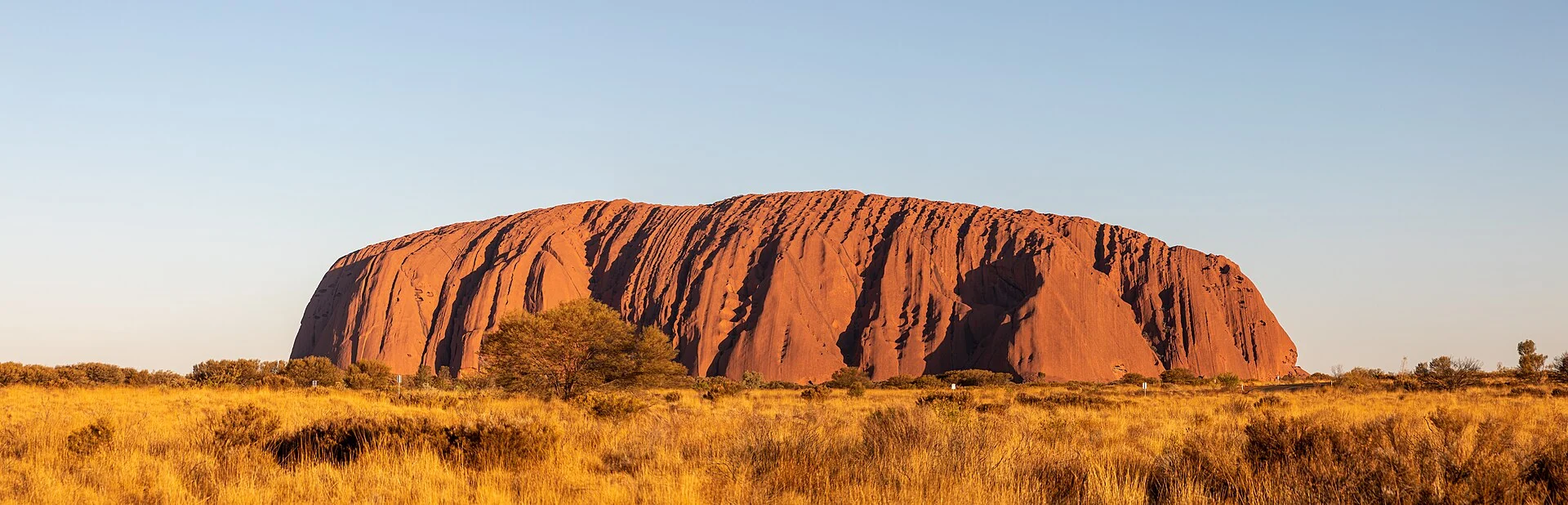
Uluṟu–Kata Tjuṯa National Park is living Anangu Country. The rock formations are visually striking, but a visit should begin with the cultural and ecological information shared by Traditional Owners. Treat the landscape as a place of meaning rather than a backdrop for a single sunrise photograph.
Listen to the park’s guidance
The official park website explains cultural protocols, walks and current conditions. Some areas and details should not be photographed; follow signs and Anangu requests. The climb is closed. Instead, choose a base walk or a shorter route suited to your ability, and make time for the cultural center. Read interpretations before heading out so the features you see have context.
Plan for desert conditions
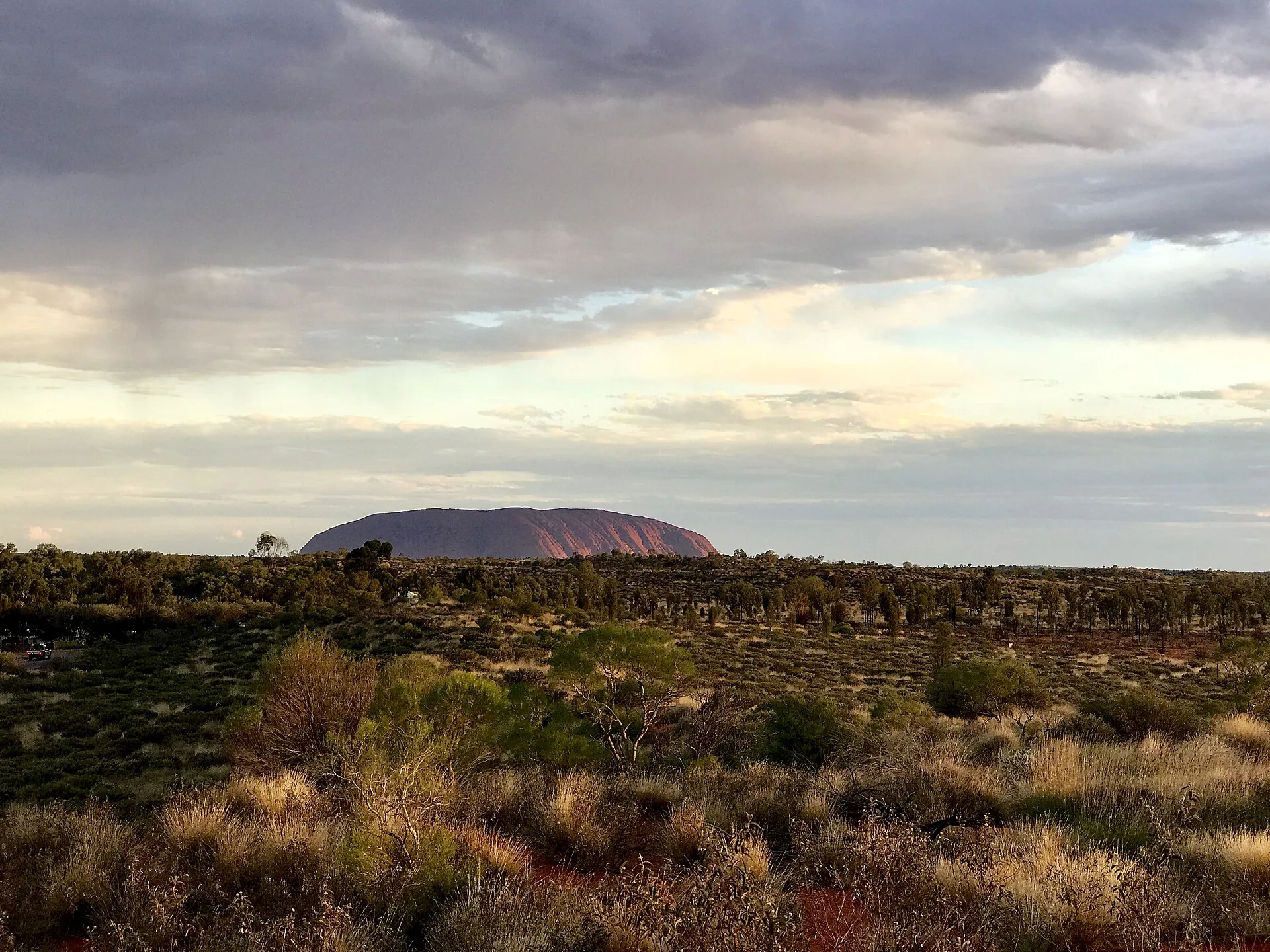
Heat can become dangerous quickly. Start walks early, carry substantial water and turn back if conditions deteriorate. Check trail closures and weather on the day. Wear sun protection and sturdy footwear. Kata Tjuṯa requires its own time and travel; do not assume it is a brief add-on after circling Uluṟu.
The park’s Uluṟu overview helps explain the site’s significance. Guided experiences led or endorsed by Anangu can deepen understanding, but listen without demanding access to restricted knowledge or places. Buy authentic local art through channels that credit artists and communities.
Stay at least two nights if possible. Weather and light change the formations, while a slower itinerary creates time to learn. The strongest memory may be the story you are trusted to hear, rather than the image you take home.
See more than a silhouette
At different times of day, Uluṟu’s colors and shadows shift, but the cultural stories and ecological details matter more than the light show. Look for interpretive material about plants, animals and waterholes. Do not enter or photograph restricted areas. If a guided walk is available, ask whether it is Anangu-led or how Traditional Owners’ knowledge is represented.
Driving between sites after dark requires care because wildlife may be on roads. Confirm fuel, park-entry rules and the location of your accommodation before setting out. Keep a weather alternative, since storms and heat can change access. Visiting with respect means accepting that some knowledge and places are not for tourists to collect.
Begin with Aṉangu guidance
Uluṟu–Kata Tjuṯa is living Country, not simply a geological viewpoint. Parks Australia’s respecting-culture guidance explains local manners and why some images or activities can be inappropriate. Read the signs at each site and follow requests about photography. A guided experience led or endorsed by local custodians can place the landscape in a cultural frame that an independent photo stop cannot provide.
Plan distances and heat honestly
The park’s trip-planning page says visitors need a vehicle or organized tour to move around the park and a park pass to enter. Choose one substantial walk per part of the day, carry water and use the current safety advice. Some walks may close for weather or cultural reasons; no route should be treated as guaranteed. Check the park map rather than assuming the two major rock formations sit within a short stroll of each other.

Give each formation its own time
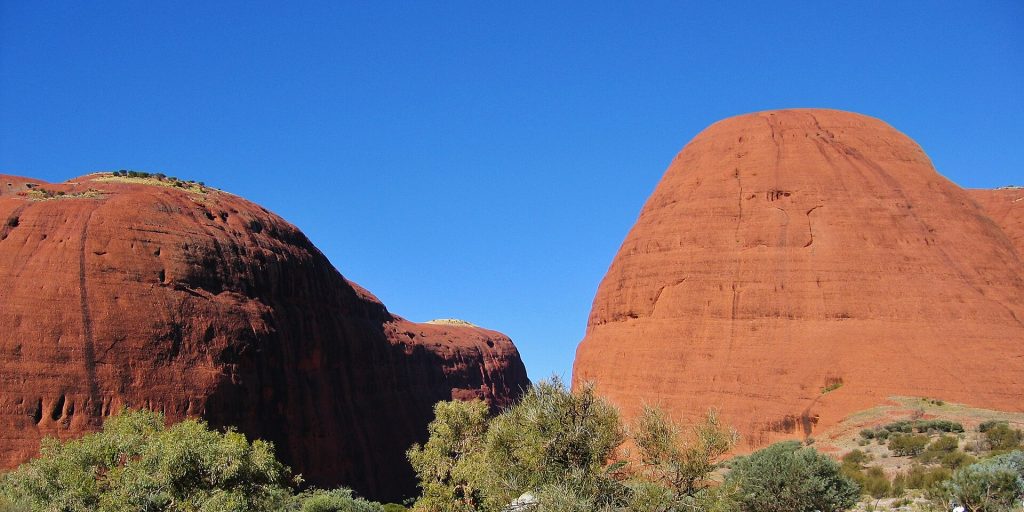
Spending a morning at Uluṟu and a different period at Kata Tjuṯa allows you to notice changes in light and landscape without rushing. Read the official alerts and visitor information before departure. Respect any closed area even if other people enter it; access rules protect people and Country.
Avoid describing sunrise or sunset as a private spectacle: shared viewing areas can be busy, and other visitors need space. Arrive early enough to read signs, park correctly and listen if a guide explains why a viewpoint matters.






The conversation
Join the discussion
Have a useful tip or a question about this journey? Share it with fellow readers. Please keep comments respectful and relevant.