
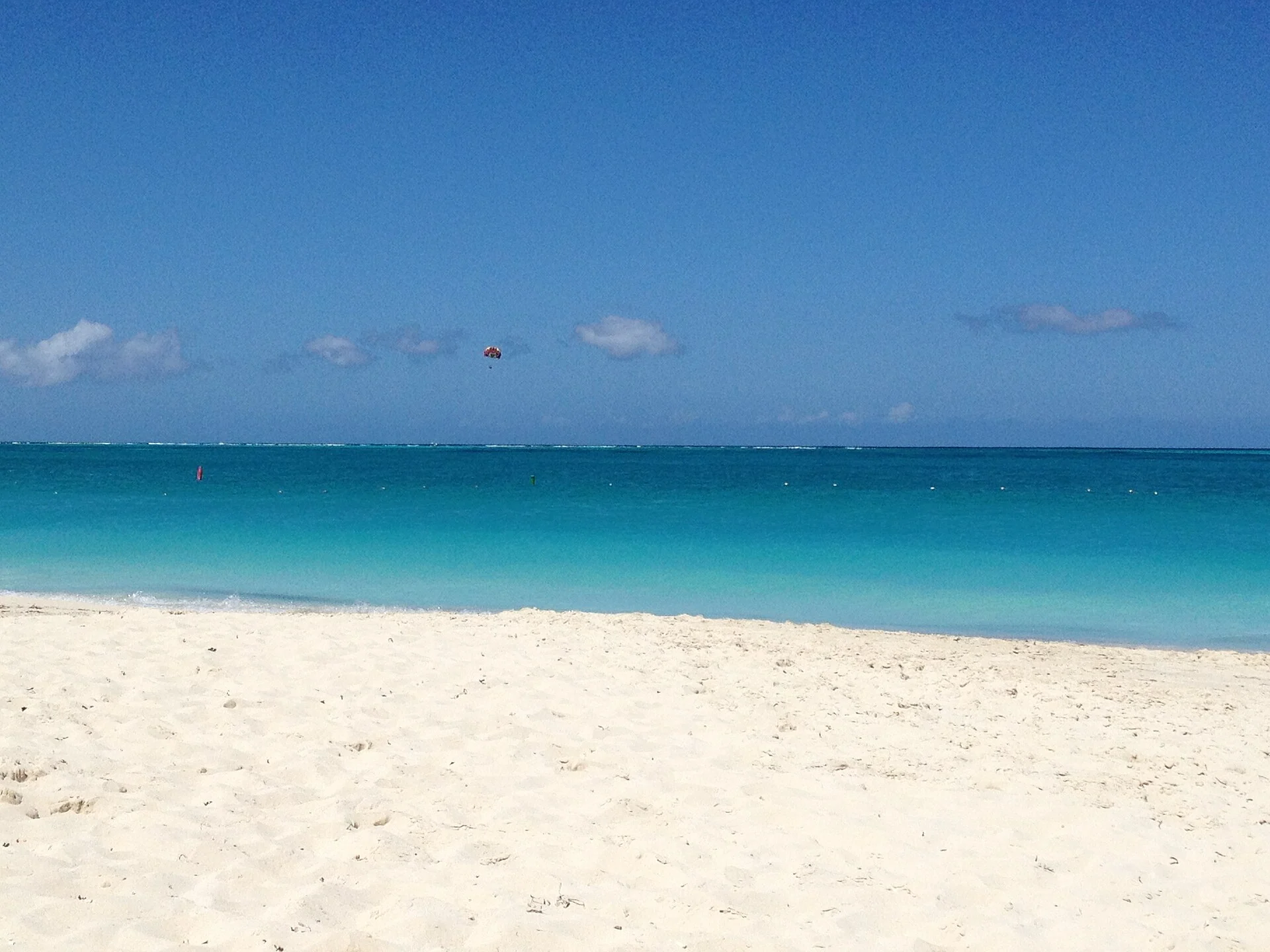
Begin with the beach you came for
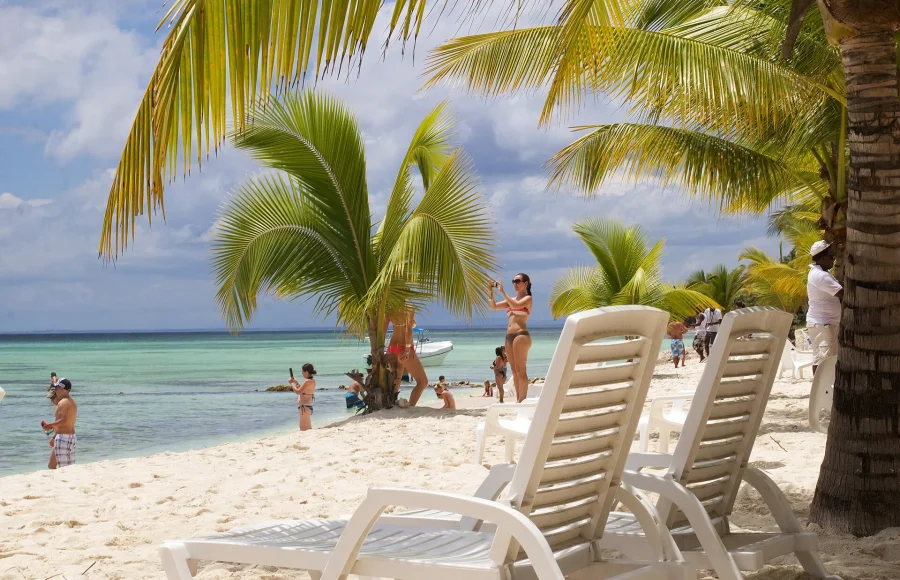
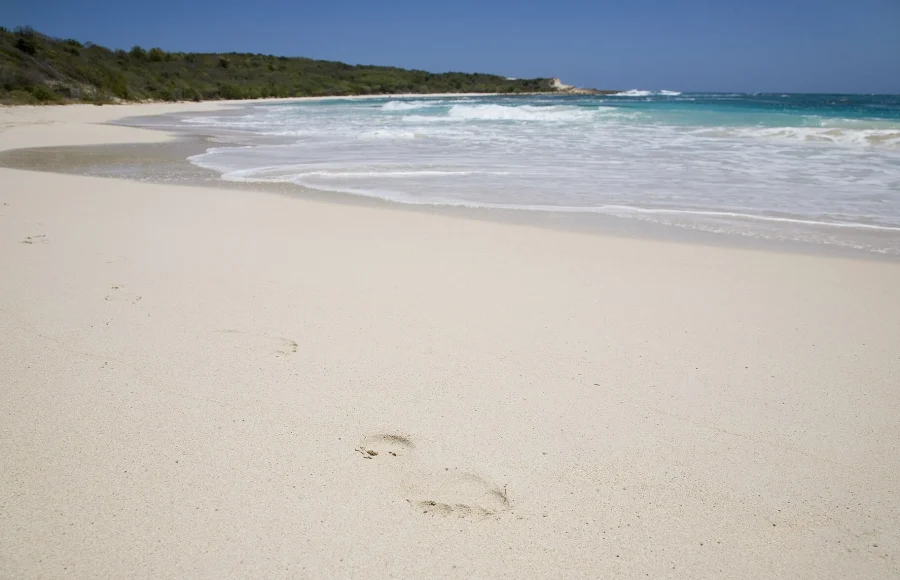
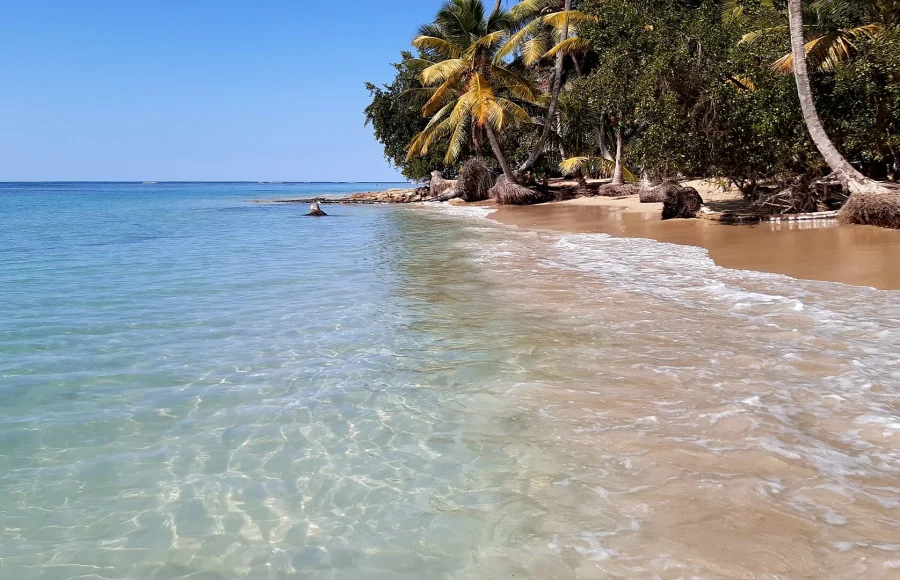
Grace Bay is the familiar image of Providenciales, but it is also part of the Princess Alexandra National Park’s protected coastal and marine area. The national park includes nearby beaches and reefs, so ordinary beach behaviour matters: leave shells and coral in place, take litter away and avoid touching marine life. The official visitor guide notes that Grace Bay has no lifeguards; assess conditions and swim within your ability even when the water looks inviting.
Choose a base that suits your plans. Grace Bay makes dining and beach time straightforward. Staying farther away can offer a different setting but may require a vehicle for every meal or outing. Compare the exact location, not just a resort photograph.
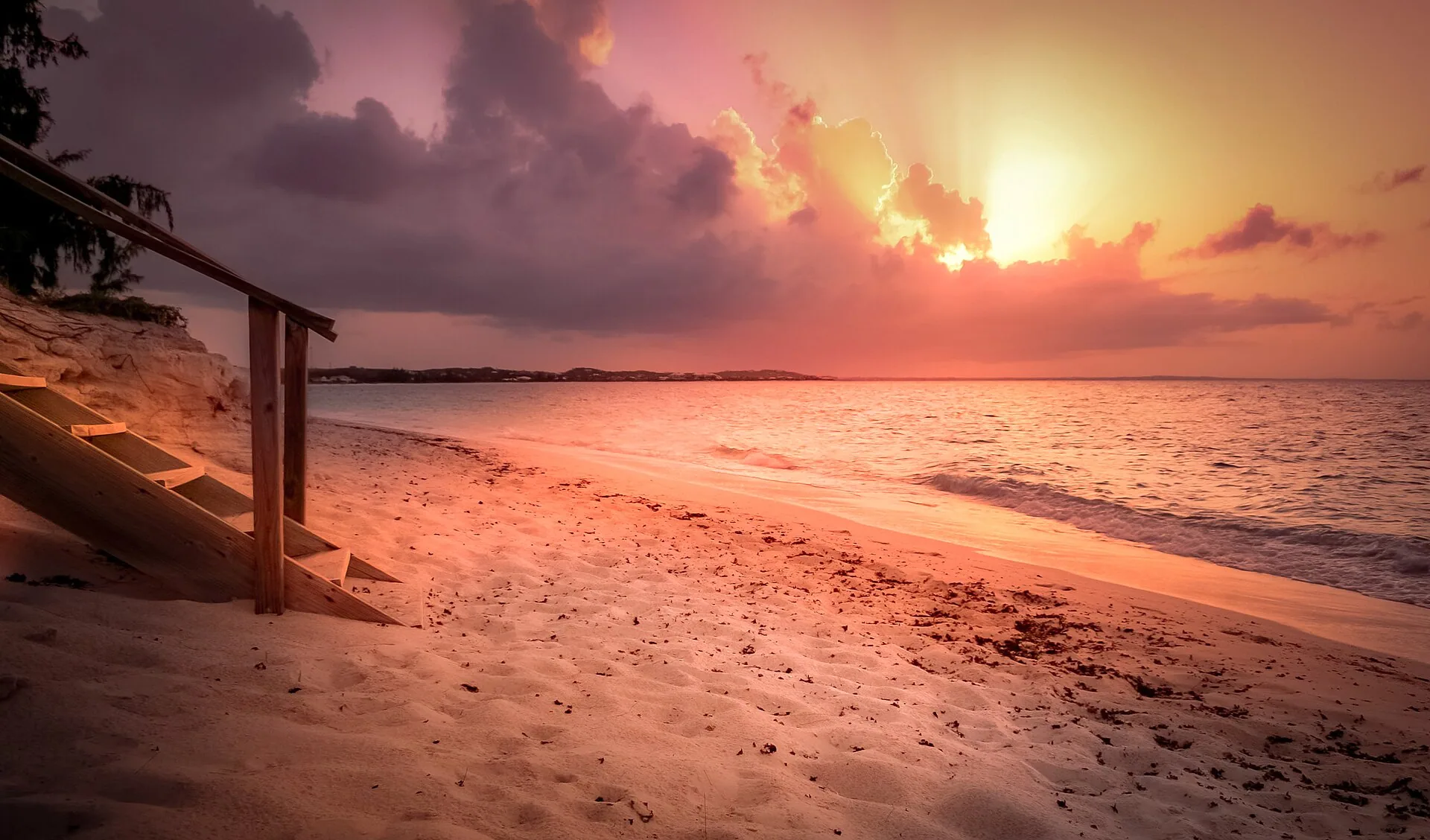
See a different shade at Chalk Sound
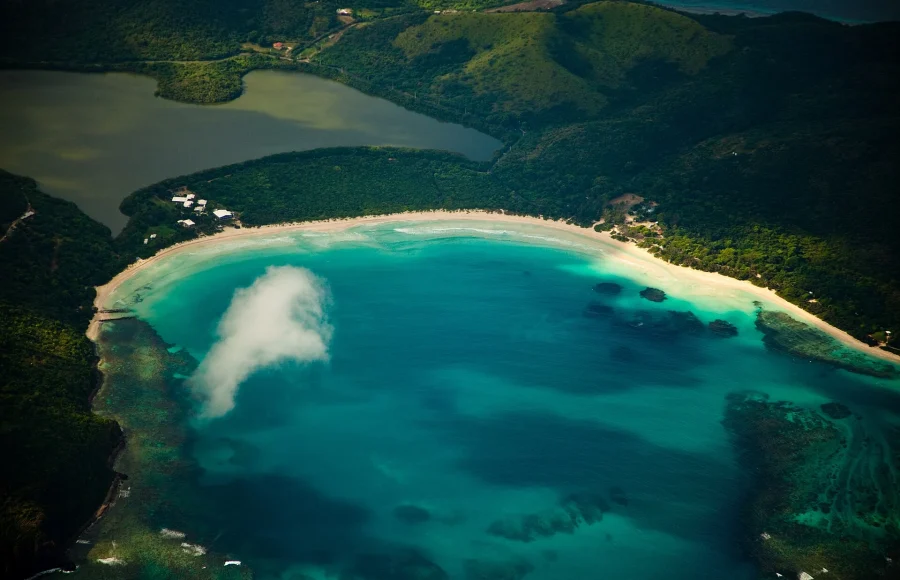
Chalk Sound National Park, on the southwest side of Providenciales, is a turquoise lagoon dotted with small rocky islands. It creates a striking contrast with the open shore at Grace Bay. Kayaking or paddleboarding may be possible in calm conditions, but access is not as simple as arriving at a public beach. The local visitor guide says there are limited designated launch and parking facilities, so arrange a suitable operator or legal access point in advance.
Nearby Sapodilla Bay and Taylor Bay offer another kind of shoreline. Conditions and access still need checking on the day. Stay clear of sensitive vegetation and wildlife, and do not assume an undeveloped view means there are no rules.
Make the logistics work
Providenciales rewards a modest itinerary: a full beach day, a carefully planned lagoon outing and enough time for another coast or local meal. The island’s spread-out areas make transport planning important, especially away from Grace Bay. Book water activities with operators who explain protected-area rules, cancellation terms and weather decisions. Check current official guidance before travel, then let the different coastal landscapes provide the variety rather than packing every hour with a paid excursion.
For snorkeling at a protected reef, choose a calm day and enter only where permitted; fins and careless feet can damage shallow coral.
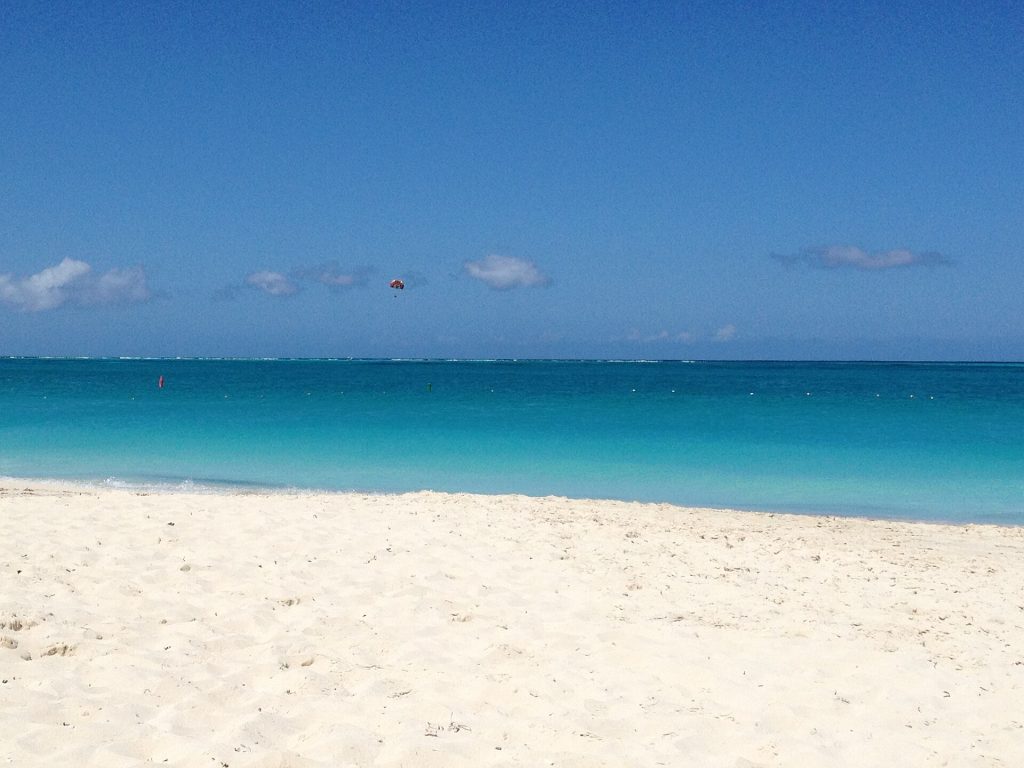
Check access before planning a Chalk Sound paddle
The local Chalk Sound guide describes a protected turquoise lagoon but notes the lack of designated public launch and parking facilities. Arrange a legal access point or suitable operator before placing a kayak trip on the itinerary. The lagoon is a different experience from a beach swim; shallow rocky edges and sensitive habitat call for footwear, care and a no-litter approach.
Use Grace Bay responsibly
Grace Bay’s visitor guidance says there are no lifeguards. Government national-park rules prohibit removing shells, coral, plants or sand from protected areas. Stay within your swimming ability and leave marine life untouched. If your accommodation is near Chalk Sound rather than Grace Bay, verify transport for restaurants and beach days; the areas are not interchangeable walking bases. These details make a three-day coastal plan far easier to enjoy.
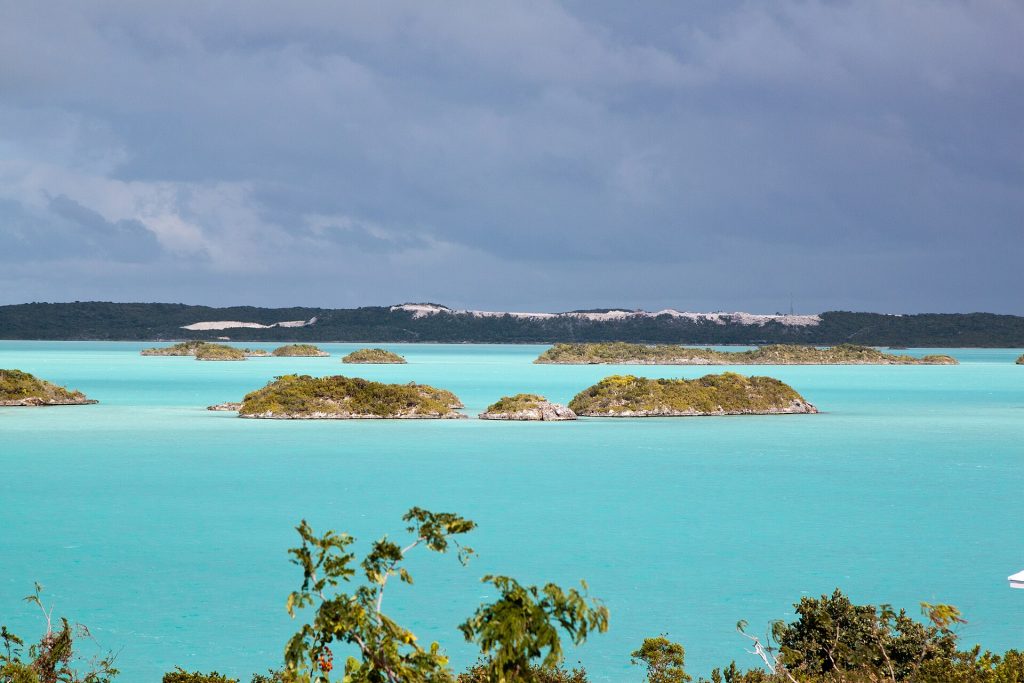
Keep park rules with your transport plan
Chalk Sound is a national park, and Turks and Caicos government guidance prohibits collecting sand, shells, coral and wildlife from protected areas. It also asks visitors to keep to walkways and remove litter. If staying in a villa near the lagoon, check whether the property has lawful water access; a water view is not the same as a launch point. The Chalk Sound guide notes limited public facilities, which makes an arranged activity more dependable. For an easy beach-focused stay, Grace Bay may be a simpler base despite its busier setting.


The conversation
Join the discussion
Have a useful tip or a question about this journey? Share it with fellow readers. Please keep comments respectful and relevant.