
Choose which side of the island will anchor you
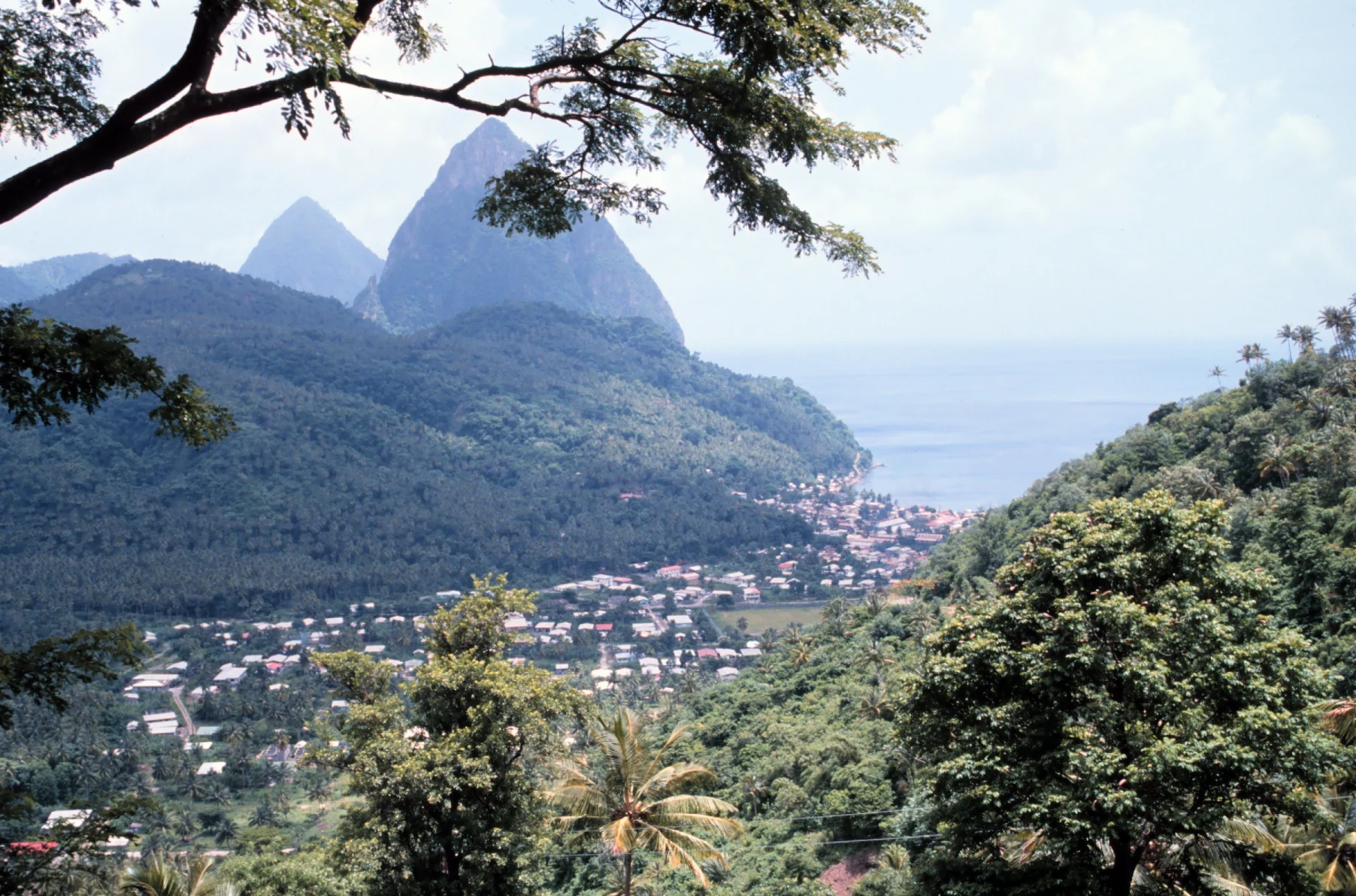
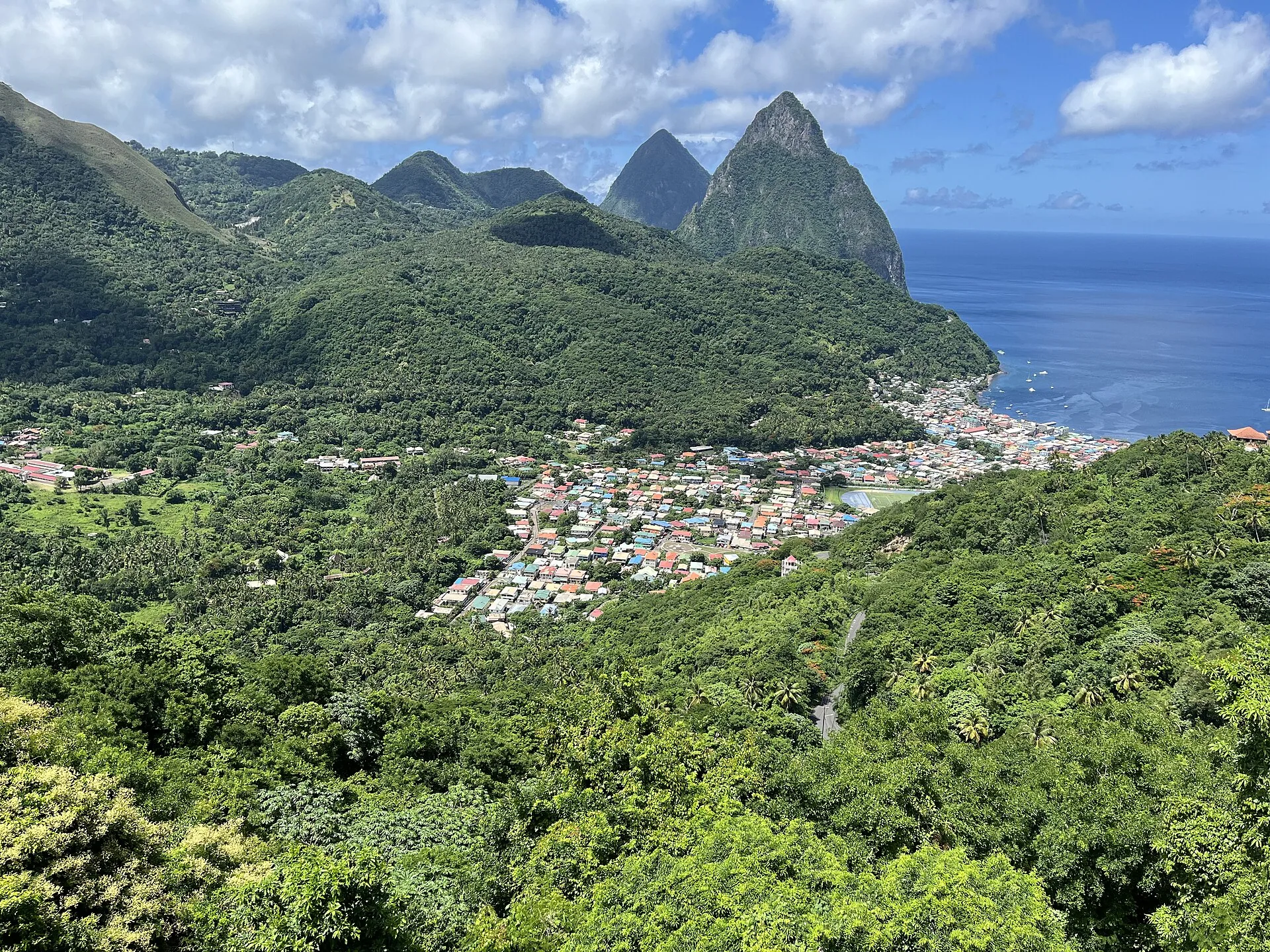
Saint Lucia changes character as you travel. Castries offers market life and an urban starting point, while the southwest around Soufrière is shaped by the Pitons, volcanic landscapes, waterfalls and rainforest. The Saint Lucia Tourism Authority highlights both regions, so a short trip should decide which one is the base and which is the day trip. Staying near Soufrière can give more time to the west coast; staying farther north can make other services easier. Neither choice removes the need to plan road time.
The tourism authority notes that west-coast locations are not walkable as one circuit and recommends a car or driver for the steep, winding roads. Leave a generous gap between appointments and avoid judging a day by straight-line map distances.
Approach the Pitons with care
Gros Piton has a guided hiking route, while Petit Piton is far steeper and not generally a casual hike. Travelers who want the view without a strenuous climb can appreciate the peaks from beaches, viewpoints or a boat. The landscape is a UNESCO World Heritage setting, so use designated paths and follow guide instructions. A strenuous hike should be chosen for ability and conditions, not because it appears on a generic “must-do” list.
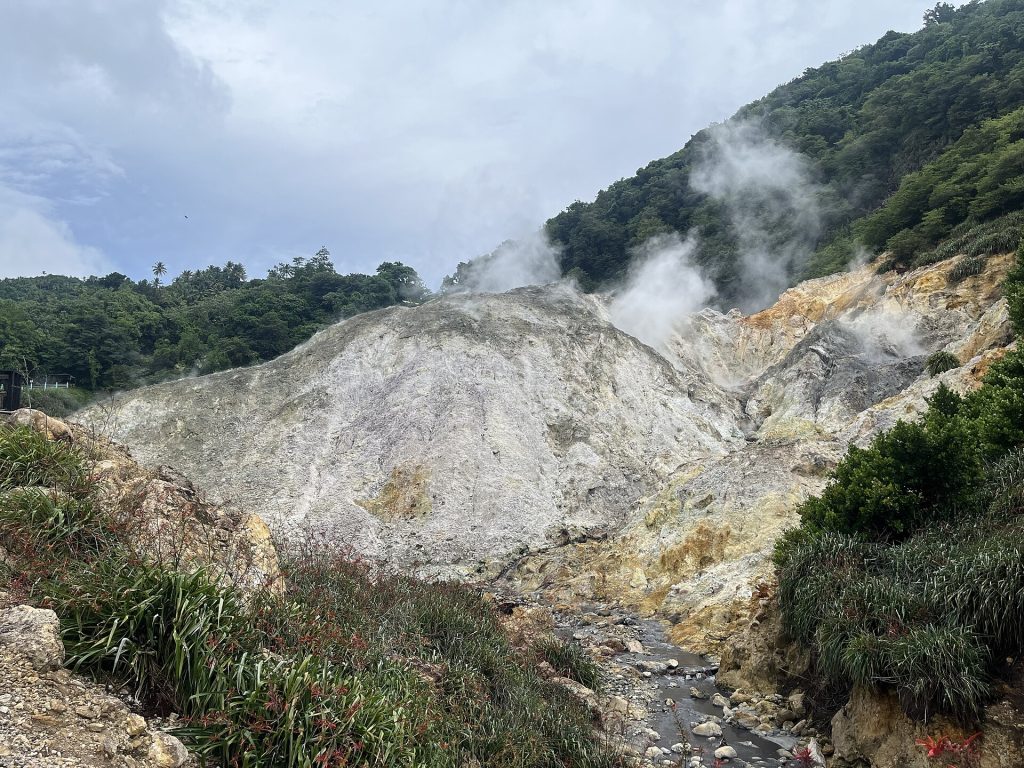
Sulphur Springs and nearby botanical or waterfall sites offer another way to understand the island’s volcanic terrain. Confirm accessibility, tickets and opening arrangements directly before leaving. Hot surfaces, rain and slick paths deserve ordinary caution.
Keep one day deliberately open
A comfortable trip might combine one market or town morning, one Soufrière landscape day and one unscheduled coastal day. Weather may hide mountain views or change hiking conditions, and flexibility is useful. Choose locally run guides where they add interpretation, especially for nature and heritage. The most memorable route is one that lets Saint Lucia’s changing terrain set the pace rather than trying to fit every attraction into a single drive.
If cloud covers the Pitons, keep the itinerary flexible and return to a viewpoint later; the changing weather is part of this mountainous island.
Choose the Pitons experience that matches your ability
The Saint Lucia Tourism Authority’s Soufrière guide describes a guided route on Gros Piton, while the more rugged Petit Piton is not a casual hike. A boat, beach or established viewpoint can be a better choice if the aim is to understand the landscape without a strenuous climb. If hiking, ask about guide requirements, trail condition and return time before booking. Cloud can obscure the peaks, so keep a flexible photography window.
Plan roads as part of the day
The official west-coast guide says attractions are not walkable as one circuit and recommends a vehicle or driver for steep, winding roads. Group the springs, gardens or waterfalls geographically rather than adding every site to one drive. Carry water and check opening rules. A slower day around Soufrière leaves room to understand the volcanic terrain instead of only reaching the next stop.
Select a base according to road time
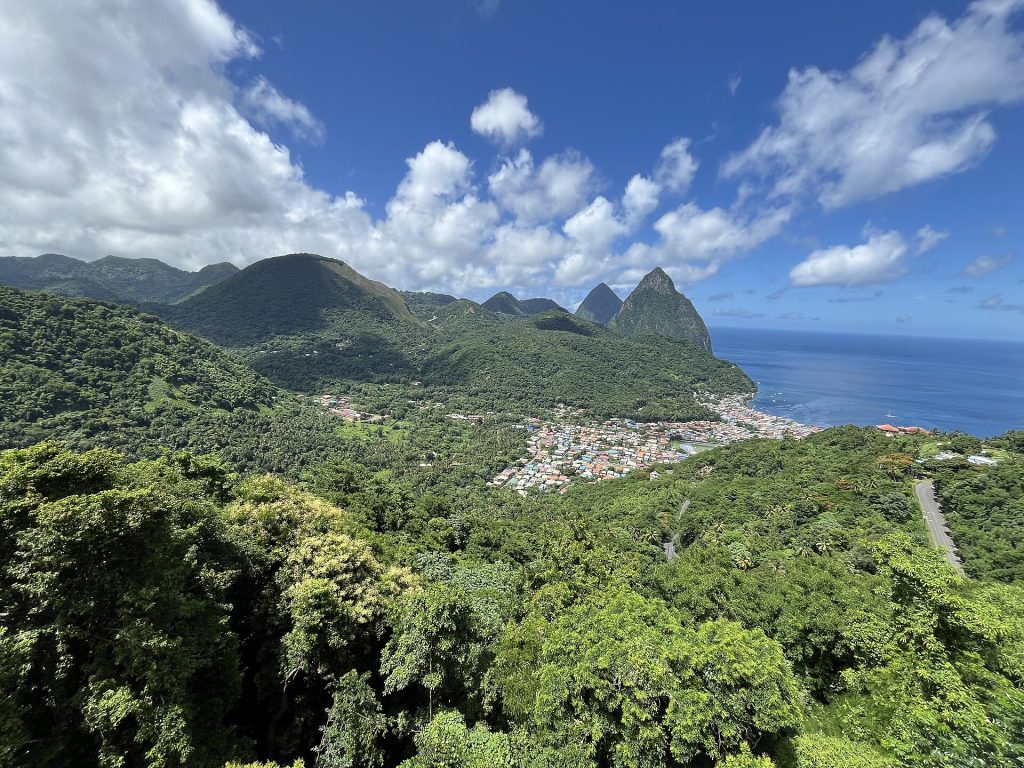
If the Pitons and volcanic west coast are the central reason for visiting, compare accommodation near Soufrière with a northern base using real driving time, not map distance. The tourism authority’s west-coast guide warns that roads are winding and locations are not a single walkable circuit. A longer stay can split the island between regions; a short stay may be better with one base and fewer day trips. Also ask the driver whether a route includes stops for views and how long the return takes after dark. These questions protect the time you wanted to spend at the sites.


The conversation
Join the discussion
Have a useful tip or a question about this journey? Share it with fellow readers. Please keep comments respectful and relevant.