
Read the city from its plazas
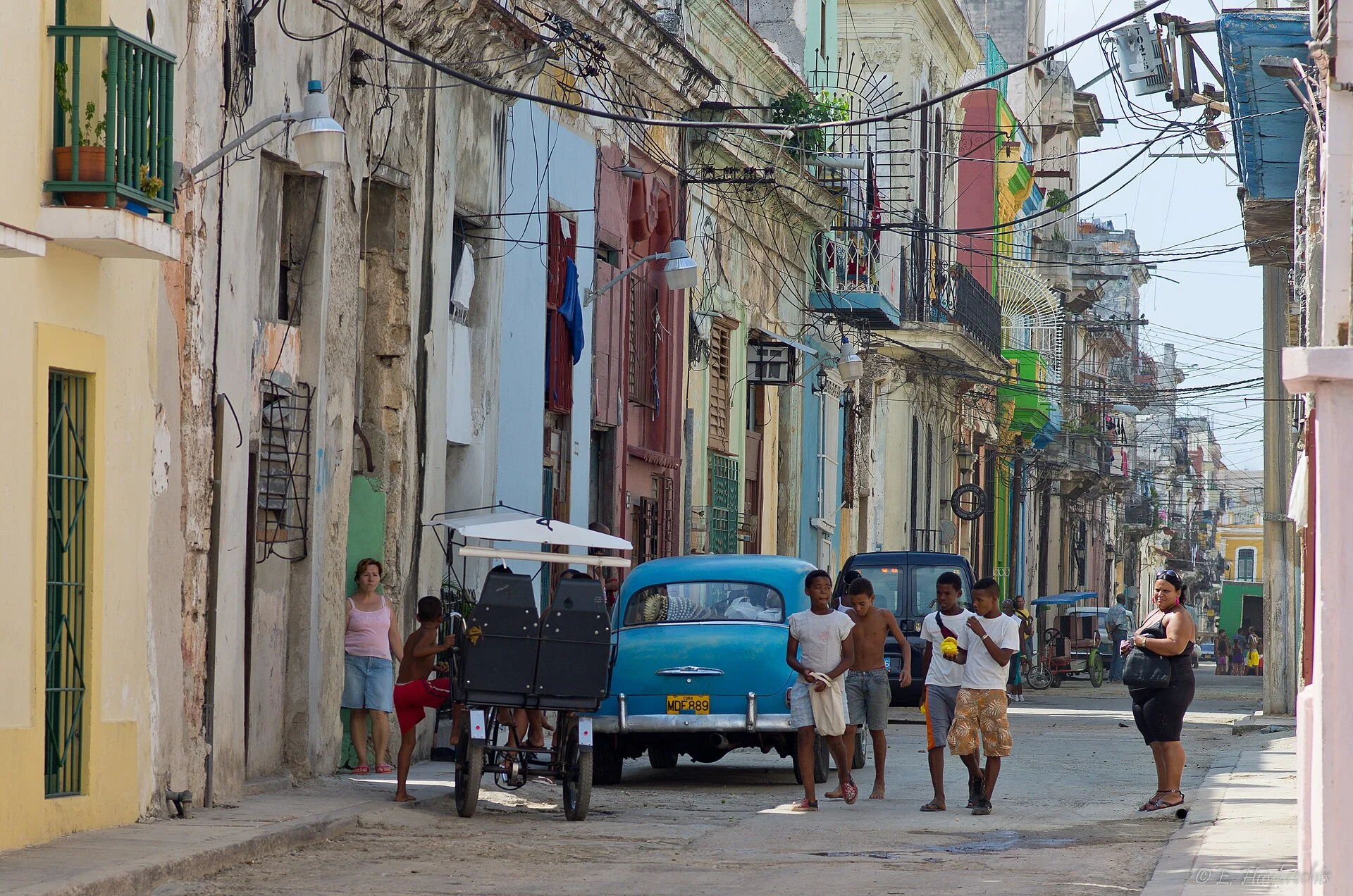
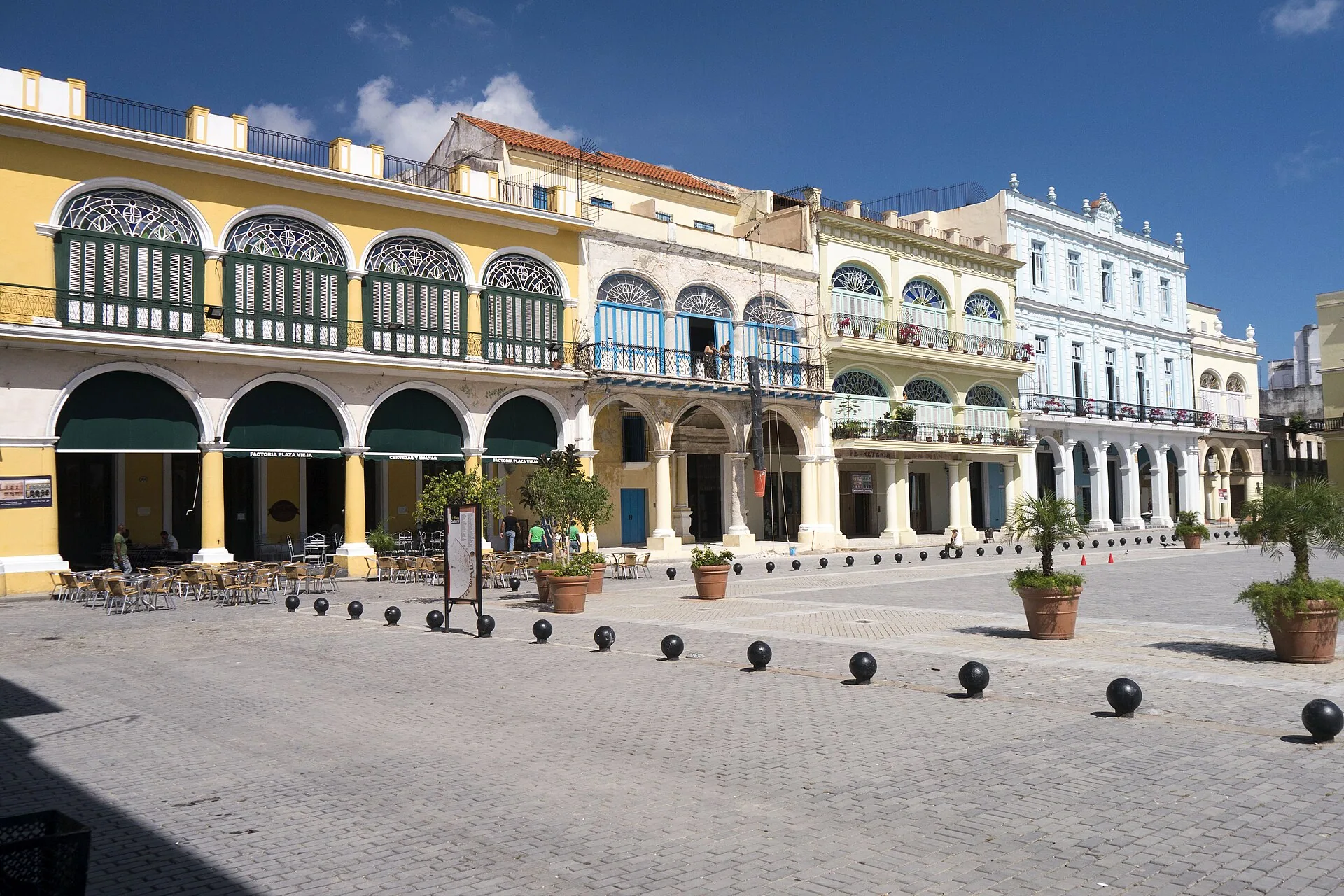
Old Havana works particularly well on foot because its streets connect a sequence of public squares, arcades and courtyards. UNESCO identifies five principal plazas within the historic centre, each with its own character. Start with two or three rather than trying to see every landmark in an hour. Notice how residential buildings share space with monumental architecture; this is a living district, not an open-air stage set.
The old city’s value also lies in its relationship with the harbour. Fortifications protected a port that became central to colonial maritime trade. Across the entrance to Havana Bay, the Morro and La Cabaña form part of that larger defensive story. A guide with a sound grasp of history can connect the squares, port and forts while acknowledging the people whose labour built and sustained the city.
Move beyond a single postcard route
The Cuban tourism authority points to architecture and cultural experiences beyond Old Havana, including Centro Habana and other districts. Set aside time to see how the city changes outside the restored core. Walk with awareness of traffic and uneven pavements, and choose a route that fits the heat and available daylight. A shaded pause in a café or courtyard can be more rewarding than a rushed drive between landmarks.
Havana’s music, visual culture and food are best approached through actual venues and local businesses rather than assumptions about what every street should provide. Ask before photographing individuals or performers. If hiring a guide or driver, agree on the route and terms beforehand.
Plan around current conditions
Entry rules, connectivity, transport and business hours can change. Check official travel requirements for your nationality and current local information before departure. Carry a flexible daily plan and keep essential addresses available offline. A rewarding Havana visit comes from looking closely at architecture and everyday urban life while treating the city’s residents as people rather than scenery.
Architecture is best appreciated in early or late light, but respect residents at every hour. Avoid entering private courtyards without permission.

Use the plazas to make sense of Old Havana
UNESCO’s Old Havana listing identifies five major plazas within the historic centre and explains their relationship to the city’s port and fortifications. Choose two or three plazas for a deliberate walk; a guide can connect individual buildings to colonial trade and the people whose labor sustained it. This is more useful than moving directly from one façade photograph to the next. Homes and working streets are part of the protected area, so ask before photographing residents or entering a courtyard.
Prepare for a changeable city day
The Cuban tourism authority describes cultural districts beyond Old Havana. Select one additional neighbourhood for a second day instead of packing the entire capital into a short circuit. Verify current entry requirements, venue hours and transport arrangements from official channels before departure, and keep essential addresses available offline. This practical buffer lets architecture and everyday life remain the focus if a planned stop is closed.

Pair heritage with practical navigation
Old Havana’s plazas are close enough to suggest a simple walking day, but UNESCO’s site description also records a large historic fabric with uneven preservation. Wear shoes suited to irregular pavements and keep a route that can shorten when heat or rain becomes uncomfortable. Before setting out, confirm which museums and forts are open and whether a crossing of the bay is needed for the fortification you want to see. Cuba’s tourism authority identifies attractions across several districts, so staying near Old Havana can reduce transfers for a heritage-focused first day.



The conversation
Join the discussion
Have a useful tip or a question about this journey? Share it with fellow readers. Please keep comments respectful and relevant.